
Home Automation: When to DIY and When to Hire a Professional
Smart home technology can make daily life more convenient, but the experience depends on how well everything works together. A few standalone devices may be simple to manage on your own. Once multiple systems need to coordinate, the project becomes more complex.
DIY home automation can work well for individual upgrades such as a smart thermostat, connected lighting, or a video doorbell. But as lighting, climate control, security, audio and video, motorized shades, and other systems are added, managing separate apps and controls can create more friction than convenience.
Professional home automation installation is designed for that level of complexity. Instead of treating each device as an isolated upgrade, the system is planned around how the technologies interact, how you use each space, and how easily you want to control everything.
For a few simple, standalone devices, DIY can be a practical choice. For a whole-home system involving multiple rooms, technologies, users, or advanced automation, professional installation can provide the planning and integration needed to make the system feel cohesive and easier to use.
The right choice depends on the complexity of your project, the level of integration you want, your comfort with configuring and troubleshooting technology, and how you expect your smart home to grow over time.
Can You Install a Home Automation System Yourself?
Yes, you can install some home automation devices yourself. Many consumer smart home products are designed for straightforward setup, making DIY a practical option when you want to automate a few specific functions without building a fully integrated system.
For example, you may be comfortable installing and managing:
Smart bulbs and lighting controls
Smart plugs
Smart thermostats
Video doorbells
Smart speakers
Standalone cameras
A DIY approach works best when the devices are relatively simple, require limited configuration, and do not need to coordinate with several other systems throughout your home. If you are comfortable following setup instructions, managing apps, and troubleshooting occasional connection or compatibility issues, you may be able to handle these projects yourself.
Where DIY Home Automation Starts Getting Complicated
The challenge often appears as your smart home grows. A thermostat may have its own app, your lighting may use another, and your security or entertainment system may introduce additional controls. Each device can work correctly on its own while the overall experience becomes increasingly fragmented.
Complexity also increases when devices from different manufacturers need to communicate, multiple rooms need coordinated control, or automations depend on several systems responding together. Your home network also becomes more important as more connected devices rely on it for consistent communication.
At that point, the question changes from “Can I install this device?” to “How do I make all of these systems work together?”
That distinction is where professional home automation installation becomes worth considering.
What Is Professional Home Automation Installation?
Professional home automation installation is the process of planning, integrating, configuring, and testing connected technologies so they work together as a coordinated system. Rather than installing each device independently, a professional considers how the different systems in your home need to communicate and how you want to control them.
Depending on the project, an integrated home automation system may bring together lighting, climate control, audio and video, security, motorized shades, networking, and other compatible technologies. The goal is to create a more consistent experience where you can manage connected systems without constantly moving between separate devices, controls, and apps.
Professional installation also considers what happens behind the interface. Network infrastructure, equipment placement, system compatibility, programming, and future expansion can all affect how reliably the technology performs as more devices and rooms are connected.
This does not mean every smart home project requires professional installation. The value becomes greater when the project moves beyond a handful of standalone devices and requires multiple technologies to function as one integrated system.
DIY vs. Professional Home Automation Installation: What’s the Difference?
The main difference between DIY and professional home automation installation is the level of planning, integration, and responsibility involved. DIY is usually better suited to simpler projects with a limited number of devices, while professional installation is more appropriate when multiple systems, rooms, or technologies need to work together reliably.
Factor | DIY Home Automation | Professional Home Automation Installation |
Best for | Simple, standalone devices | Multi-room or whole-home systems |
Upfront cost | Typically lower | Typically higher |
Installation | You handle setup and configuration | A professional plans, installs, and configures the system |
Compatibility | You research and manage device compatibility | Compatibility is considered as part of the system design |
Integration | Often relies on separate apps or basic automations | Designed to coordinate multiple compatible systems |
Networking | You manage Wi-Fi and connected-device requirements | Network needs can be considered as part of the overall system |
Troubleshooting | You handle most setup and connection issues | Professional support may be available depending on the provider and project |
Customization | Limited by the products and platforms you choose | Can be planned around how you use your home |
Future expansion | You add and reconfigure devices as needed | Expansion can be considered during the initial system design |
Ongoing management | You manage updates, settings, and changes | Some configuration and service may be handled professionally |
DIY gives you more direct control over the setup and can be a practical choice when your goals are simple. If you only want to automate a few functions and do not mind managing the technology yourself, the additional cost of professional installation may not be necessary.
Professional installation becomes more valuable as the number of connected systems grows. Once lighting, climate, security, entertainment, shades, networking, and other technologies need to operate together, the quality of the overall experience depends less on individual devices and more on how well the system is planned and integrated.
The right choice is not about whether DIY or professional installation is universally better. It is about matching the installation approach to the complexity of the home automation experience you want.
When Does DIY Home Automation Make Sense?
DIY home automation makes sense when your goals are simple, the project involves only a few devices, and you are comfortable managing the technology yourself. If you do not need extensive integration between systems, installing smart home devices on your own can be a practical way to add convenience without investing in a professionally designed system.
You Only Want a Few Smart Devices
If your goal is to control a thermostat remotely, automate a few lights, add a video doorbell, or use smart plugs around the house, DIY may provide everything you need. These projects are relatively contained and do not necessarily require the devices to communicate with other systems throughout the home.
The key is scope. Installing one smart device is very different from designing a system that coordinates technology across multiple rooms.
You’re Comfortable Managing Different Apps and Settings
DIY smart home products often come with their own apps, accounts, settings, and controls. That may not be a problem if you only have a few devices and do not mind managing them separately.
As you add more products, however, the number of controls can grow. If switching between different apps does not interfere with how you want to use your home, a DIY setup may continue to meet your needs.
You Enjoy Configuring and Troubleshooting Technology
A DIY approach puts you in control of setup, configuration, updates, and troubleshooting. For homeowners who enjoy working with technology, that involvement can be part of the appeal.
It also means you are responsible for diagnosing issues when a device disconnects, an automation stops working, or a new product does not behave as expected. If you are comfortable researching and resolving those problems, professional installation may not be necessary for a smaller project.
You Don’t Need Extensive Wiring or Integration
DIY becomes easier when devices can be added without significant changes to your home's infrastructure. A few wireless products may require little more than installation, connection to your network, and configuration through an app.
The decision changes when the project requires multiple systems to communicate, coordinated control across rooms, more involved networking, or other infrastructure considerations. At that point, you are no longer simply adding smart devices. You are beginning to design a connected system, which is where professional planning can become more valuable.
When Should You Hire a Professional Home Automation Installer?
You should consider hiring a professional home automation installer when your project involves multiple systems, rooms, or technologies that need to work together. Professional installation becomes especially useful when the quality of the experience depends on more than getting individual devices connected and running.
The more complex the project becomes, the more decisions you need to make about compatibility, networking, equipment placement, control, and future expansion. A professional can help plan those elements as parts of one system rather than addressing them separately as new devices are added.
You Want Your Smart Home Systems to Work Together
A collection of connected devices does not automatically create an integrated smart home. You might control the thermostat through one app, lighting through another, security somewhere else, and entertainment from a separate remote or interface.
Professional home automation installation can bring compatible technologies into a more coordinated system. Instead of thinking about each device individually, the system can be designed around how you want lighting, climate, security, audio and video, shades, and other technologies to work together.
You’re Building or Renovating a Home
Building or renovating creates an opportunity to consider home technology while decisions about wiring, networking, equipment locations, lighting, and room layouts are still being made. Planning earlier can make it easier to account for the infrastructure required by the systems you want to use.
A professional installer can work through those technology requirements before finishes and other design decisions make changes more difficult. This is particularly valuable when home automation is intended to extend across several rooms rather than being added one device at a time.
Your Project Includes Multiple Rooms or Systems
Complexity increases quickly when automation extends beyond a single room. A whole-home project may involve lighting control, climate, distributed audio and video, security, motorized shades, networking, and other compatible technologies.
Each system introduces its own requirements, but the larger challenge is coordinating them. Professional planning helps establish how those systems should communicate, where equipment should be located, and how people will control the technology throughout the home.
Your Home’s Design Matters
Technology should support the way a home looks and feels rather than compete with it. Equipment placement, visible controls, speakers, displays, wiring, and other components can affect the finished space if they are considered too late.
Professional planning allows technology decisions to be considered alongside the home's layout and design. For homeowners who care about maintaining a clean, intentional environment, that coordination can be as important as the technology itself.
Reliability Matters More Than Experimentation
DIY technology often involves some trial and error. For someone who enjoys testing products, adjusting settings, and troubleshooting occasional problems, that may be perfectly acceptable.
If you expect your home automation system to be something your household can use consistently without regularly managing the technology behind it, professional installation becomes more valuable. The goal is to reduce the amount of attention the technology demands during everyday use.
You Want the System to Expand Over Time
Your needs may change after the initial installation. You might add another room, expand lighting control, introduce motorized shades, upgrade entertainment systems, or connect additional compatible technologies.
Considering those possibilities during the initial design can reduce the need to rethink the entire system each time something changes. No technology platform can be guaranteed to be future-proof, but thoughtful planning can make future expansion easier to evaluate and manage.
Ultimately, professional installation makes the strongest case when you want the technology throughout your home to function as a coordinated experience rather than a growing collection of individual smart devices. That distinction leads to an even more important question: what does integration actually change about the way a smart home works?
Why Integration Matters More Than the Number of Smart Devices
A home can have dozens of smart devices and still feel fragmented. The number of connected products matters less than how well those products work together.
That is the difference between a collection of smart devices and an integrated home automation system. In a disconnected setup, each device may require its own app, control method, or routine. In an integrated system, compatible technologies are planned to coordinate around how you actually use the home.
For example, preparing a room for a movie could otherwise mean adjusting the lights, closing the shades, turning on the display, selecting the audio source, and changing the temperature through several separate controls. In an integrated system, those supported actions can be coordinated through a single scene or command, depending on the equipment and configuration.
The value is not simply convenience. Integration can also make the system easier to understand and use because the technology follows a more consistent control structure. That becomes more important when several people in the household need to use the same systems without learning a different process for every device.
Integration also changes how future additions are considered. Instead of asking whether a new device works on its own, the better question is whether it fits into the existing system, communicates with the right components, and supports the way the home is already being controlled.
A smarter home is not defined by how many connected products it contains. It is defined by how effectively those technologies work together to create a simpler, more coordinated experience.
What Does a Professional Home Automation Installer Actually Do?
A professional home automation installer does more than connect devices. The installer helps plan how compatible technologies should work together, determines what infrastructure and equipment the project requires, configures the system, tests its operation, and helps the homeowner understand how to use it.
The exact process depends on the home and the scope of the project, but professional home automation installation typically moves through several stages.
Consultation and Project Planning
The process begins by understanding what you want the technology to accomplish. That includes the rooms involved, the systems you want to control, how you currently use the space, and how you expect your needs to change over time.
This step helps define the project before equipment decisions are made. Instead of starting with individual products, the conversation starts with the experience you want to create and the problems the system needs to solve.
System Design and Engineering
Once the requirements are clear, the installer can plan how the different parts of the system should work together. This may include compatible home automation, lighting control, audio and video, networking, security, motorized shades, and other technologies included in the project.
Design and engineering also account for equipment locations, control points, network requirements, and the infrastructure needed to support the system. For new construction or renovation projects, this planning can be coordinated before walls, finishes, and other design elements limit the available options.
Installation and Integration
During installation, the planned equipment and infrastructure are put in place and configured. The installer then connects the supported systems so they operate according to the design rather than functioning as unrelated devices.
Integration is what turns individual technologies into a coordinated home automation system. It establishes how the different components communicate and how you interact with them during everyday use.
Testing and System Configuration
A system should be tested before it becomes part of your daily routine. The installer can verify that the included components respond correctly, adjust configurations, and confirm that programmed controls or automations operate as intended.
Testing is especially important when several systems depend on one another. A problem with one component or connection can affect the experience elsewhere in the system.
Homeowner Training
Even a sophisticated home automation system should be understandable to the people using it. Once the system is configured, professional installation can include guidance on how to use the controls, access common functions, and operate the features included in the project.
The goal is not to make you understand every technical detail behind the system. It is to make the technology straightforward enough that you can use your home without constantly thinking about how everything works.
Ongoing Service
Home technology can change over time as equipment is updated, needs evolve, or new capabilities are added. Depending on the provider and project, professional service may help address system changes, troubleshooting, maintenance, or future expansion.
This broader process is what separates professional home automation installation from simply hiring someone to install individual devices. The value comes from planning the system as a whole, integrating its components, and making the finished technology practical for the people who use it.
Questions to Ask Before Choosing DIY or Professional Installation
The best way to choose between DIY and professional home automation installation is to look at the complexity of the experience you want, not just the number of devices you plan to install.
Ask yourself:
How many systems do you want to control?
Do those systems need to communicate with one another?
Are you comfortable managing setup, updates, and troubleshooting yourself?
Does the project involve wiring, networking, or infrastructure changes?
Are you building or renovating the home?
Will equipment placement affect the look and layout of the space?
Do multiple people need to use the system easily?
Do you expect to expand the system in the future?
If your project is limited to a few standalone devices and you are comfortable managing them yourself, DIY may be the right fit.
If your answers point toward multiple systems, coordinated control, design considerations, future expansion, or more complex infrastructure, professional installation becomes more valuable. The more your project depends on integration, the more important system planning becomes.
Is Professional Home Automation Installation Worth It?
Professional home automation installation can be worth it when your project is complex enough that planning, integration, and ongoing usability matter more than minimizing the initial installation cost. If you only want a few standalone smart devices, however, paying for a professionally designed system may provide more capability than you actually need.
The value becomes easier to understand when you consider what professional installation includes. You are not simply paying someone to connect devices. Depending on the project, the work may include system planning, equipment and compatibility decisions, infrastructure considerations, installation, programming, integration, testing, homeowner training, and service.
For a multi-room or whole-home project, those elements can become increasingly important. A system that includes lighting, climate control, security, audio and video, motorized shades, networking, and other technologies has more dependencies than a single smart thermostat or video doorbell. How those components are designed to work together can have a significant effect on how practical the finished system is to use.
Professional installation may also make sense when you would rather not be responsible for researching compatibility, configuring every component, and troubleshooting the system yourself. For some homeowners, direct control over those details is part of the appeal of DIY. For others, the ability to work with a professional who can manage the technical complexity is part of the value.
Ultimately, whether professional home automation installation is worth it depends on what you expect from the finished system. If your goal is simple device-level automation, DIY may be enough. If you want multiple technologies coordinated into a system designed around your home and the way you use it, professional installation can be a worthwhile investment.
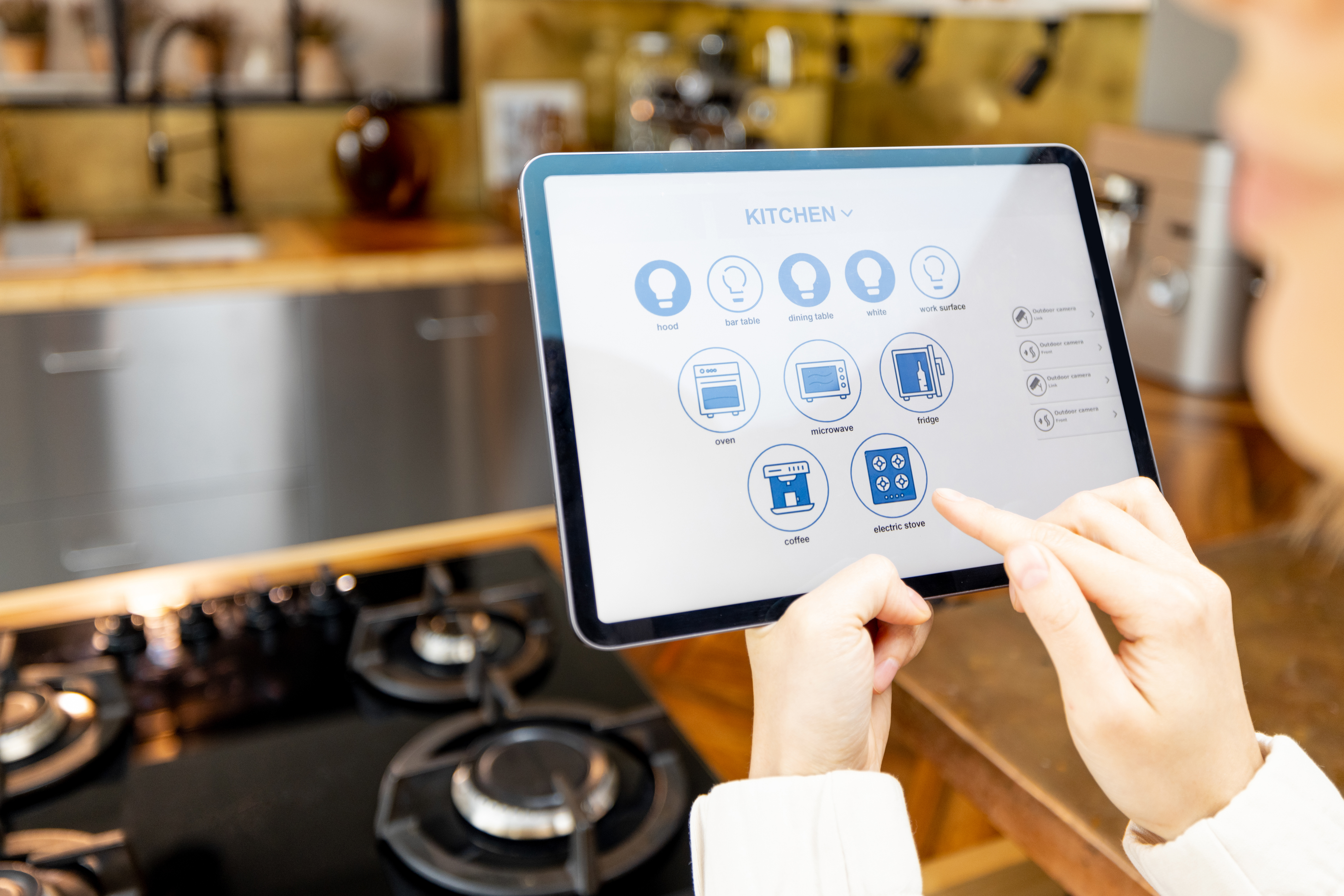
Professional Home Automation Installation in Birmingham, Alabama
For homeowners in Birmingham, Alabama, professional home automation installation can help turn separate technologies into a more coordinated living experience. Sphere Audio Video designs and installs luxury home automation systems that bring together compatible technologies such as lighting, climate control, audio and video, security, and other connected systems.
The process starts with understanding how you want the home to function. From there, the system can be planned around the spaces you use, the technologies you want to control, and the level of integration that makes sense for your lifestyle.
Sphere also operates a home automation showroom in Birmingham, giving homeowners an opportunity to experience integrated technology before making decisions about their own system. The showroom is located on Highway 280 and serves homeowners throughout the Birmingham area, including Jefferson and Shelby counties.
The goal is not to add technology for its own sake. It is to create a system that feels intentional, works consistently, and makes the technology throughout your home easier to use.
Frequently Asked Questions About Home Automation Installation
Can I install home automation myself?
Yes. DIY home automation can work well for simple, standalone devices such as smart thermostats, lighting controls, video doorbells, smart plugs, and similar products. It becomes more difficult when multiple systems need to communicate or when the project involves several rooms, networking requirements, or more advanced integration.
When should I hire a professional home automation installer?
You should consider professional installation when your project includes multiple systems, whole-home control, new construction or renovation, more complex networking, or a need for different technologies to work together. Professional planning is also more valuable when reliability, design, and future expansion matter to you.
Is professional home automation installation worth the cost?
It can be worth the cost when the project requires more than basic device setup. Professional installation adds value through planning, integration, configuration, testing, and support, especially when several systems need to function as one coordinated experience.
What does a home automation installer do?
A professional home automation installer helps plan, install, configure, integrate, and test connected systems in the home. Depending on the project, that may include lighting, climate control, audio and video, security, networking, motorized shades, and other compatible technologies.
Can different smart home brands work together?
Some products from different manufacturers can work together, but compatibility varies by device, platform, and system design. If your project depends on multiple brands communicating reliably, compatibility should be evaluated before installation rather than assumed afterward.
Do I need professional installation for whole-home automation?
Professional installation is not automatically required, but it becomes more valuable as the system grows in complexity. Whole-home automation often involves several rooms, multiple technologies, shared controls, networking, and coordinated automations, which makes planning and integration more important.
Can an existing home be upgraded with home automation?
Yes. Existing homes can often be upgraded with smart home technology, although the best approach depends on the systems you want to add, the existing infrastructure, and the level of integration you want. A professional assessment can help determine what is practical without assuming that every project requires major changes.
Decide How Much Integration Your Home Really Needs
Choosing between DIY and professional home automation installation comes down to the experience you want to create. If you only need a few standalone smart devices and you are comfortable setting them up, managing separate apps, and troubleshooting issues yourself, DIY may be all you need.
If you want lighting, climate control, security, entertainment, shades, networking, and other compatible technologies to work together across your home, the project requires a different level of planning. At that point, the focus shifts from installing individual devices to designing an integrated system that is easier for your household to use.
Before deciding, think about how many systems you want to connect, how much control you want in one place, whether your home is being built or renovated, and how you expect your technology needs to change over time. Those answers can help you determine whether a DIY setup is enough or whether professional installation makes more sense.
Talk With Sphere About Your Home Automation Project
If you are planning a home automation project in Birmingham, Alabama, Sphere Audio Video can help you explore what level of integration makes sense for your home. Whether you are starting with a new project, renovating an existing space, or considering a more integrated approach to technology already in your home, the first step is understanding what you want the system to accomplish.
Talk with Sphere about your home automation project to discuss your goals, the technologies you want to bring together, and the installation approach that fits your home.