
Strategy. Innovation. Automation
Technological Solutions
Our passion for innovation meets your unique business goals. Whether you are in need of communications strategy, visual implementations or looking to create a “wow” experience, we can help from consultation to implementation of the entire project.
Fueling Progress
We believe in the power of collaboration to drive technological advancements. By working together, we can achieve breakthroughs that would be impossible alone.
We are Here to Help
3,000+
Projects Completed

Automation and Integration
Boost Efficiency
We Provide Strategy, Innovation and Execution for Commercial Audio Video Needs
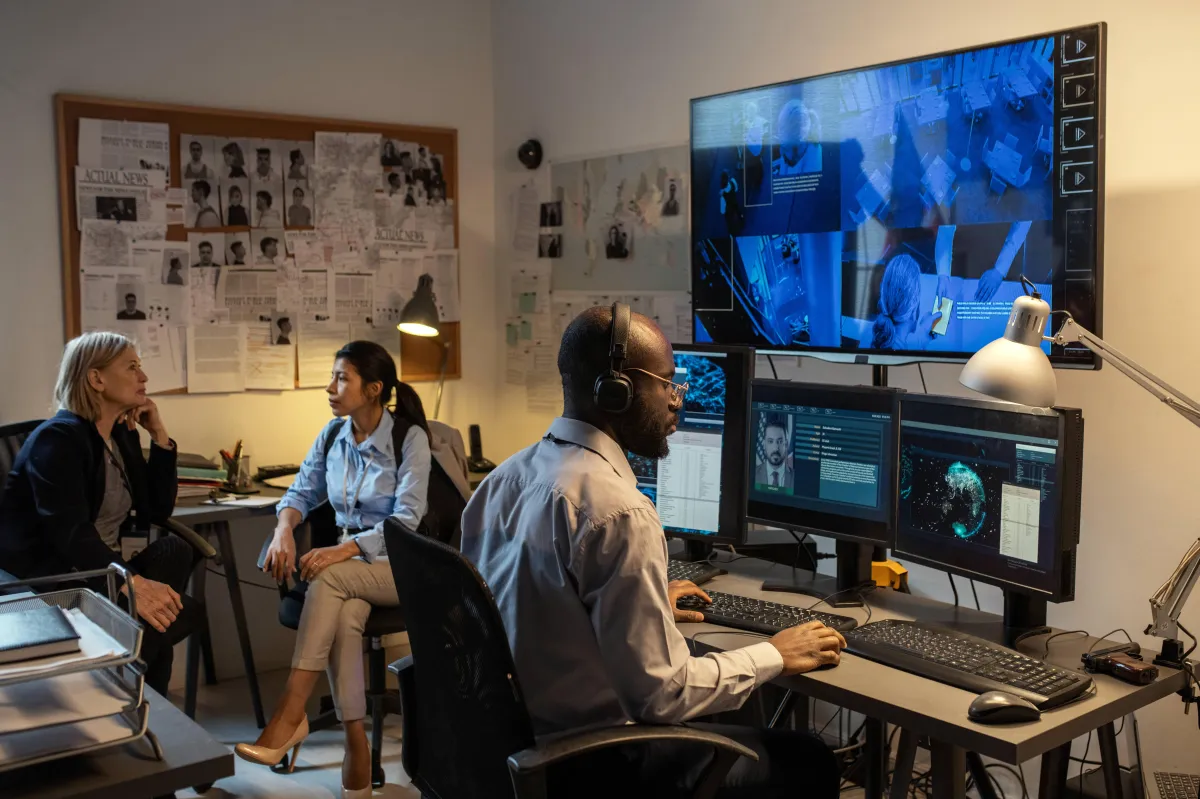
Sphere Audio Video empowers businesses to streamline operations and boost efficiency through seamless integration of cutting-edge automation and technology solutions. From smart buildings and AI-powered automation to VR training and cloud-based systems, Sphere AV tailors solutions to each client's unique needs, enabling them to work smarter, not harder. Their expertise in integrating separate technologies ensures a unified and cohesive system, maximizing efficiency and fostering a dynamic work environment.
Beyond Screens and Speakers
As a business, you need more than just audio-visual equipment. You need a strategic partner who can translate your vision into reality, harnessing the power of technology to create immersive experiences that engage, connect, and inspire.
Sphere Audio Video optimizes business operations with strategically designed distributed audio systems. Whether it's background music for fostering a specific atmosphere, clear communication for announcements, or zoned audio for targeted messaging, Sphere AV tailors solutions to enhance customer experience, improve staff productivity, and ensure clear communication throughout the space.
Unveiling the Cutting Edge
Forget about following trends, with Sphere Audio Video, you become the trendsetter. Our passionate team relentlessly explores and integrates the latest technologies, pushing the boundaries to deliver unmatched experiences for your customers. Imagine AI-powered sound systems that seamlessly adapt to any environment, or captivating 3D displays that transport audiences to another world.
We don't just offer technology; we craft solutions that elevate your brand and captivate your customers, leaving a lasting impression and driving business success.
Flawless Execution
Innovation without execution is just an idea. That's why we prioritize meticulous project management, ensuring every step, from design to installation and beyond, is executed flawlessly.
Our team of certified professionals possesses the technical expertise and experience to handle complex projects. We don't just install equipment; we build systems that work flawlessly and consistently deliver on your vision.
Transform Your Spaces/Rooms
with
Our Featured Technological Solutions
Experience the power of automation and innovative technology solutions that designed to enhance your work-spaces, making them more efficient, secure, and enjoyable.
Discover the power of our dynamic spaces and experience unparalleled productivity and efficiency.
Enhance your meetings, presentations, and education with advanced tech. Build strong networks for seamless communication.
Elevate your visuals with customizable video solutions. Connect seamlessly with cutting-edge conferencing.
Improve the sound quality of your work-spaces with our sound masking solutions and acoustical treatments.
Create your perfect environment with our innovative lighting solutions. Take control of brightness and color temperature.
Enhance your reality and Immerse yourself in virtual worlds and step into the future with our extended reality experiences.
Read Our Latest Articles
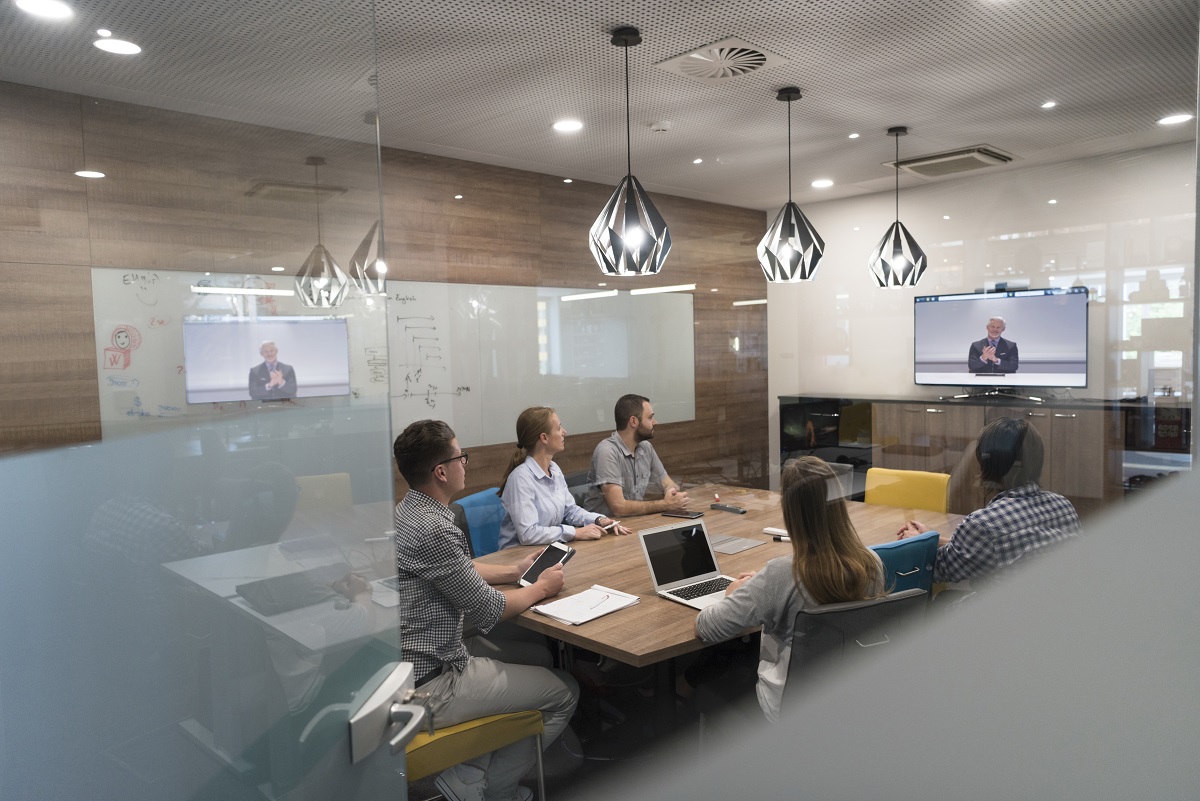
Creating the Ultimate Meeting Experience with Smart Conference Rooms
Table Of Content
What Is a Smart Conference Room?
Why Traditional Conference Rooms Fail Modern Meetings
Technologies That Power Smart Conference Rooms
How Smart Conference Rooms Improve Meeting Productivity
Designing a Smart Conference Room for Hybrid Meetings
How Businesses Can Upgrade to Smart Conference Rooms
The Future of Smart Meeting Spaces
Create Meeting Spaces That Work as Seamlessly as Your Ideas
What Is a Smart Conference Room?
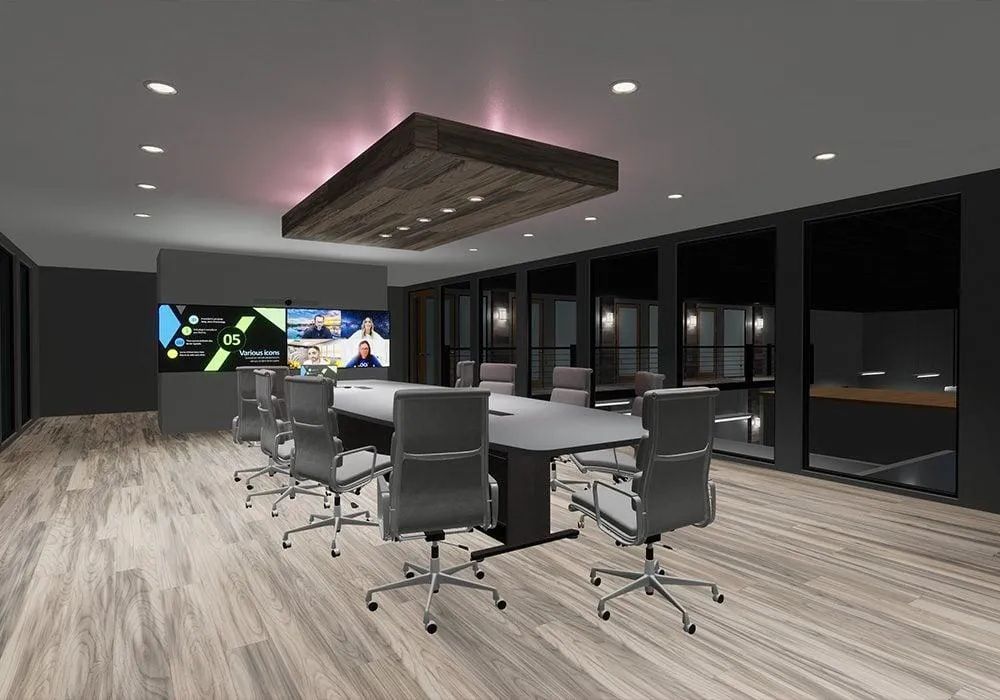
A smart conference room is a meeting space equipped with integrated technology that automates communication, presentation, and environmental controls. These systems combine intelligent audio, video conferencing, wireless sharing, lighting control, and centralized automation to create seamless meetings where technology supports collaboration without disrupting the experience. In traditional meeting rooms, technology often becomes a barrier. Participants struggle with cables, unclear audio, disconnected software platforms, or poorly placed displays. The meeting begins with troubleshooting instead of discussion.
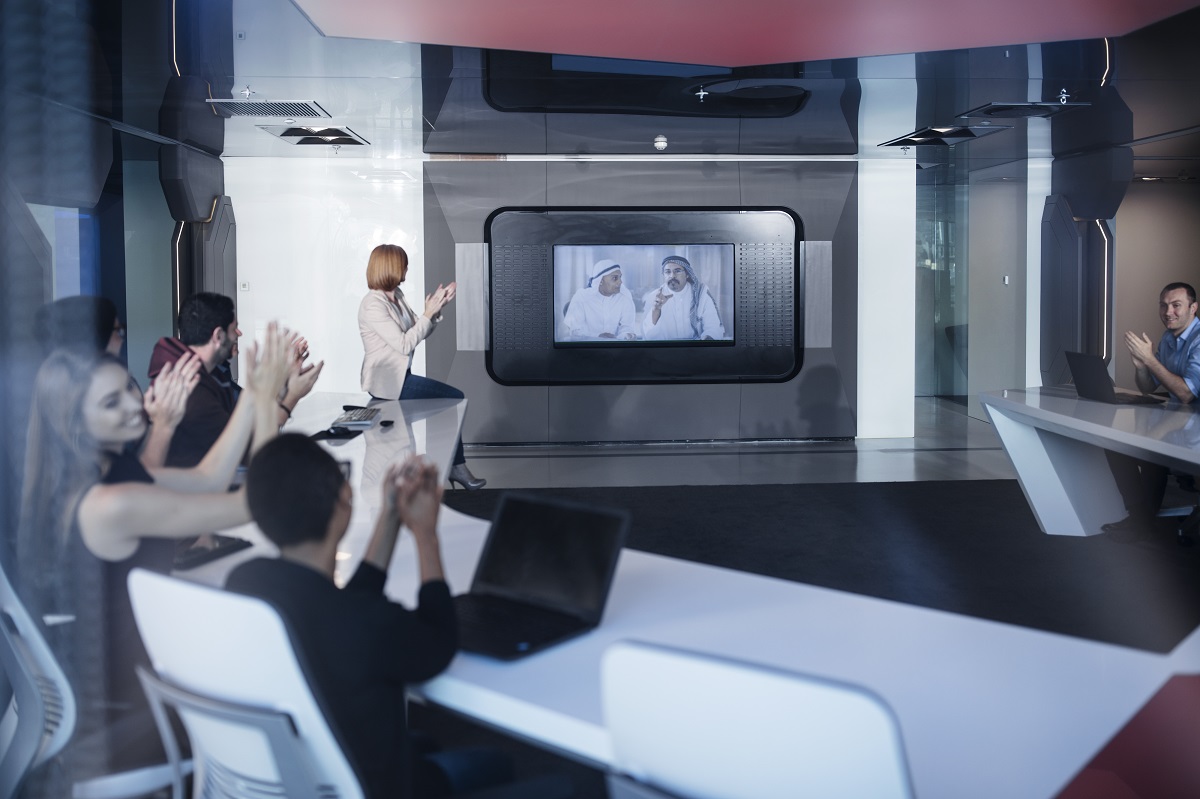
Smart conference rooms eliminate that friction by using intelligent systems that automate communication, collaboration, and environmental controls. The room itself becomes intelligent. When participants enter, the system can automatically activate displays, adjust lighting, connect video conferencing platforms, and prepare presentation tools. With a single touch or voice command, users can control every element of the room.
For luxury commercial environments such as hotels, executive boardrooms, and high-end meeting venues, this level of automation is essential. Clients expect spaces that feel effortless, refined, and technologically advanced.
Capabilities typically include:
Integrated audio systems that deliver clear speech across the entire room
High-resolution displays for presentations and video conferencing
Wireless content sharing from laptops, tablets, or smartphones
Centralized control systems that manage lighting, displays, and AV equipment
Hybrid meeting technology that connects in-room participants with remote teams
When designed properly, the technology becomes nearly invisible. Guests experience a polished environment where communication flows naturally and meetings start instantly. This shift is why many commercial venues are investing heavily in smart conference room technology. The goal is no longer simply to host meetings. The goal is to create an exceptional meeting experience.
Why Traditional Conference Rooms Fail Modern Meetings
Traditional conference rooms were designed for a different era of work. Most were built around in-person meetings, static presentation screens, and basic audio equipment. Today’s meetings demand far more. Teams collaborate across locations, presentations come from multiple devices, and communication must feel seamless whether participants are in the room or joining remotely.
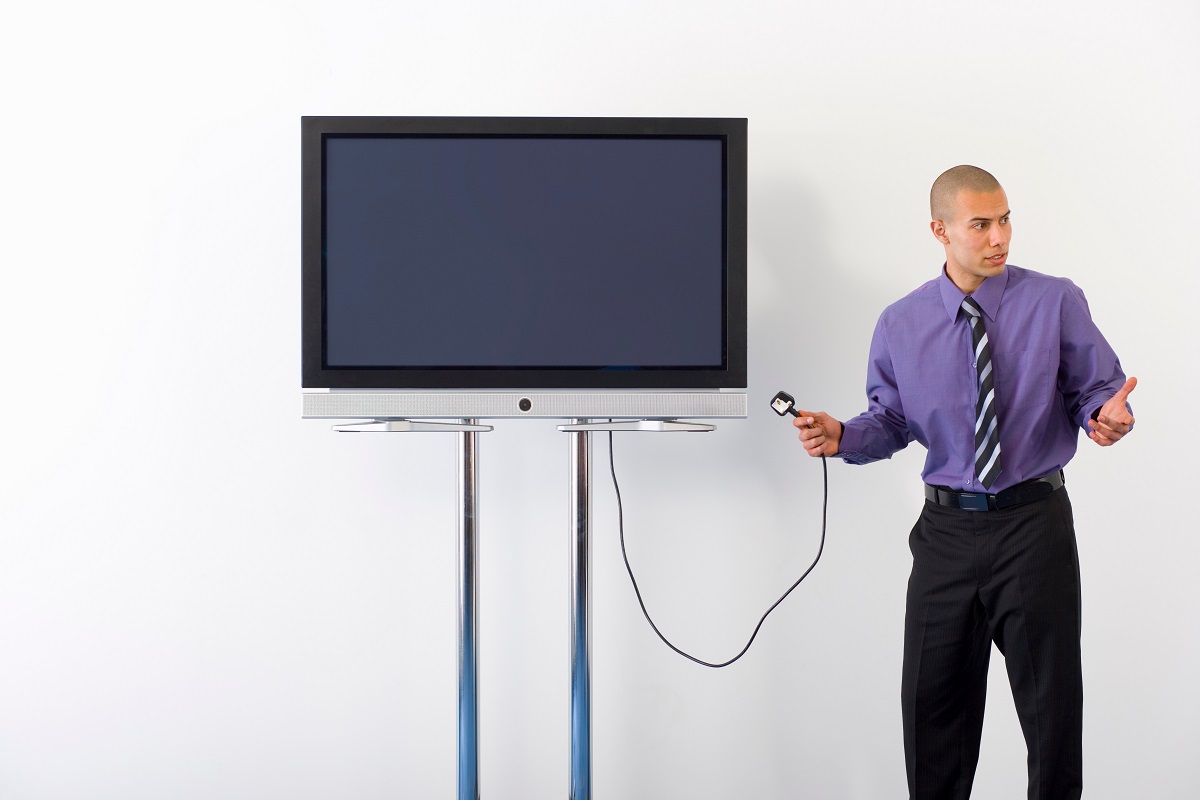
When the room technology cannot support these needs, the meeting experience breaks down.
One of the most common problems is technology friction. Participants often spend the first several minutes of a meeting trying to connect laptops, adjust microphones, or launch video conferencing software. Instead of starting the conversation immediately, the group wastes time solving technical issues.
Audio quality is another major challenge. In many conventional meeting rooms, microphones are poorly placed and speakers are unevenly distributed. Remote participants struggle to hear the conversation clearly, while people in the room cannot always understand remote speakers. This creates communication gaps that slow discussions and reduce engagement.
Visual collaboration also suffers. Older conference rooms typically rely on a single display or projector. When multiple participants want to share content from different devices, switching between sources becomes clumsy and disruptive. This problem becomes even more noticeable during hybrid meetings where both in-room and remote attendees need to see the same information clearly.
In luxury commercial environments such as hotels, executive boardrooms, and high-end event spaces, these limitations are even more problematic. Clients expect meeting spaces that feel polished, professional, and effortless. When technology fails or appears outdated, the overall perception of the venue declines.
Common issues found in traditional meeting rooms include:
Cable clutter and complicated connections that slow down presentations
Poor microphone coverage that makes conversations difficult to follow
Limited display capabilities that restrict collaboration
Disconnected systems that require multiple remotes or control interfaces
Technology that interrupts the meeting flow instead of supporting it
These challenges explain why many organizations are transitioning toward smart conference rooms. Instead of treating technology as separate devices scattered throughout the room, smart environments integrate every component into a unified system designed to support communication.
The result is a meeting space that works intuitively, allowing participants to focus on ideas and decisions rather than technical obstacles.
Technologies That Power Smart Conference Rooms
Smart conference rooms combine several integrated technologies that simplify communication, automate room functions, and support hybrid collaboration. Instead of operating as separate devices, these systems work together through a centralized AV platform that allows users to control the entire meeting environment from a single interface.
Below are the core technologies that transform a standard meeting room into a smart conference space.
1. Intelligent Audio Systems
Clear audio is the foundation of effective meetings. In many traditional rooms, microphones and speakers are poorly positioned. As a result, some participants cannot be heard clearly and remote attendees struggle to follow conversations.
Smart conference rooms solve this using advanced audio technologies such as:
Beamforming microphones that capture voices across the entire room
Ceiling microphone arrays that eliminate the need for table microphones
Distributed speakers that deliver balanced sound throughout the space
Acoustic echo cancellation that prevents feedback during calls
Noise suppression systems that reduce background distractions
These technologies ensure that both in-room and remote participants hear every voice clearly.
2. Integrated Video Conferencing Systems
Modern meetings often involve remote participants, making video conferencing a critical component of the meeting experience.
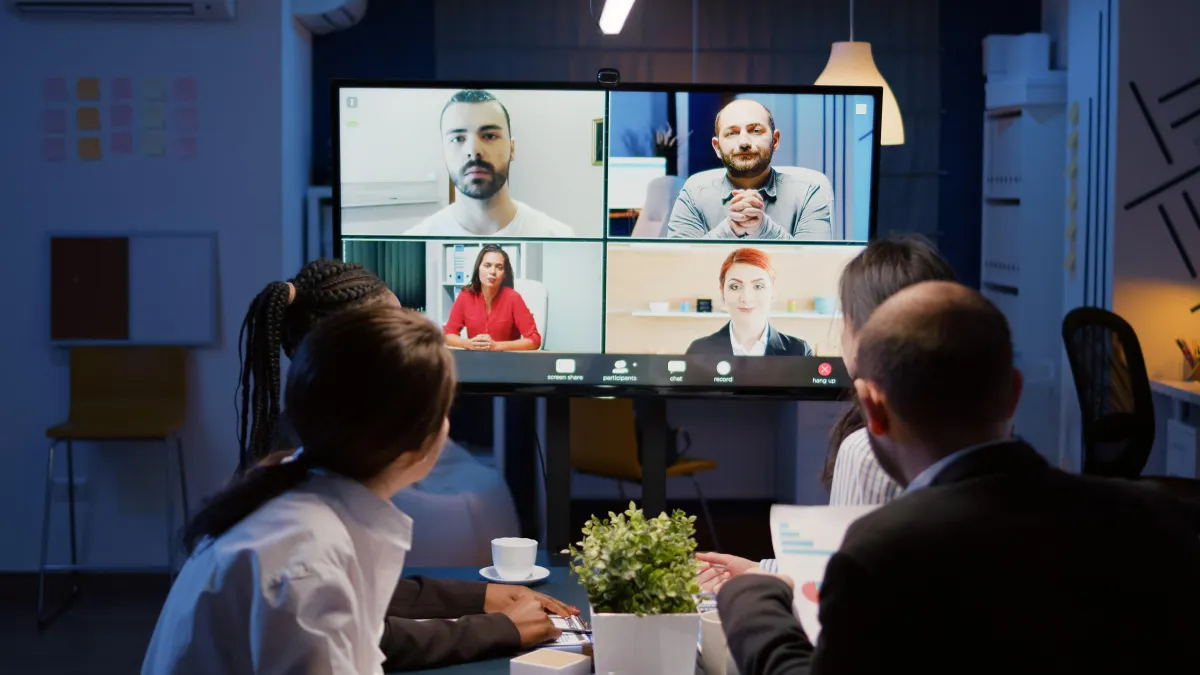
Smart conference rooms integrate professional video conferencing and collaboration technology that connects meeting participants across locations while maintaining clear communication and visual engagement.
Microsoft Teams
Zoom
Google Meet
Instead of connecting personal devices and launching software manually, meetings can start instantly from a control panel.
Advanced features include:
Auto-framing cameras that keep participants centered
Speaker tracking that focuses on the active presenter
High-resolution video capture for professional-quality meetings
For luxury environments such as hotels and executive boardrooms, these systems ensure remote participants experience the space clearly and professionally.
3. Wireless Presentation and Content Sharing
Traditional meeting rooms rely on HDMI cables and adapters, which slows down presentations and creates clutter. Smart conference rooms replace these setups with wireless presentation systems that allow users to share content instantly.
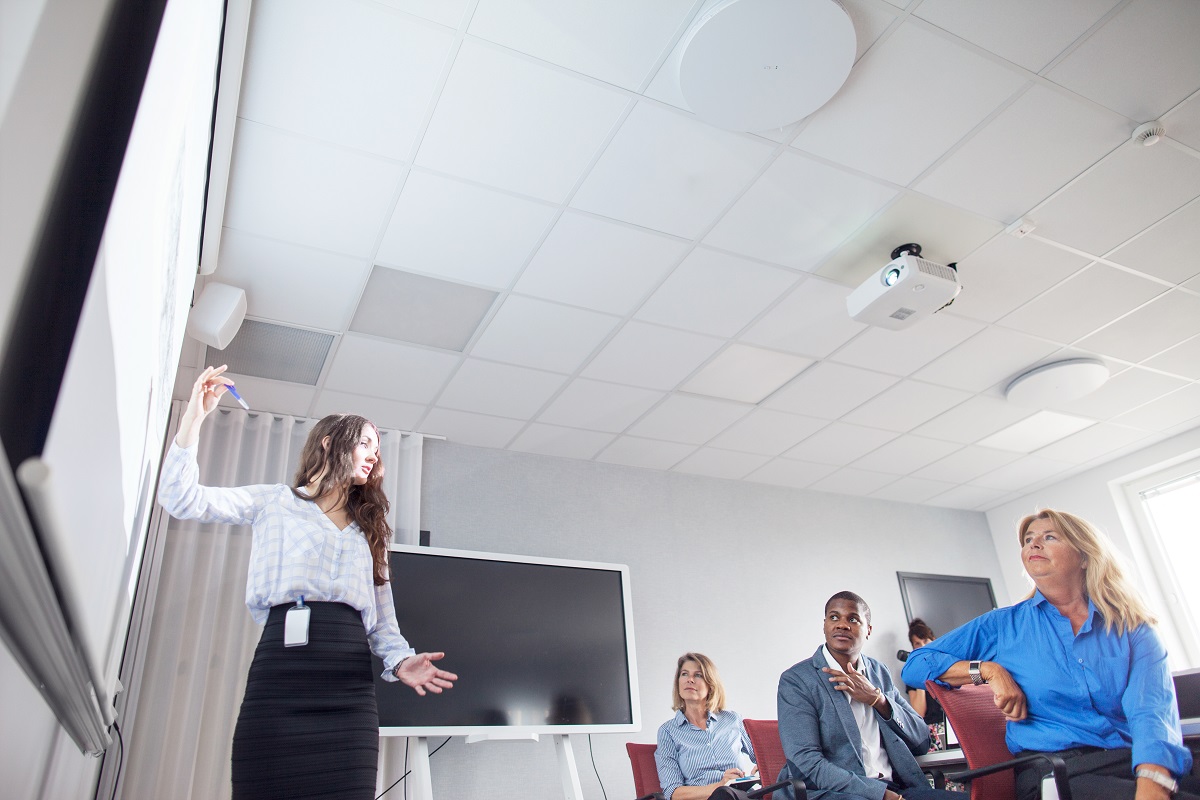
Key benefits include:
Screen sharing from laptops, tablets, or smartphones
Instant connection without cables or adapters
Multiple participants sharing content simultaneously
Faster transitions between presenters
This technology is particularly valuable in hospitality environments where different groups use the room throughout the day and require a system that works immediately.
4. Automated Lighting and Environmental Controls
Lighting has a direct impact on both visual clarity and the overall atmosphere of a meeting space.
Smart conference rooms often integrate automated environmental controls, including:
Smart lighting systems that adjust brightness and tone
Motorized window shades that reduce glare on displays
Scene-based lighting presets for presentations or discussions
For example:
Presentation mode can dim lights and lower shades.
Video meeting mode can adjust lighting for better camera visibility.
These adjustments create a more comfortable environment for participants while improving the visual quality of hybrid meetings.
5. Centralized Control Systems
The most important element of a smart conference room is the centralized control system that connects all technologies together.
Through a single touch panel or mobile interface, users can control:
displays
audio systems
video conferencing platforms
lighting and shading
room settings and automation
Instead of juggling multiple remotes or complicated software, meeting hosts can manage the entire environment from one intuitive dashboard. For luxury commercial venues, this centralized approach ensures that technology remains simple and accessible for every guest.
How Smart Conference Rooms Improve Meeting Productivity
Smart conference rooms improve meeting productivity by removing technical friction and enabling participants to focus entirely on discussion, decision-making, and collaboration. When audio, video, presentations, and environmental controls operate seamlessly, meetings start faster, communication becomes clearer, and teams can use their time more effectively.

In many traditional meeting environments, productivity drops before the meeting even begins. Participants spend the first several minutes connecting devices, adjusting microphones, or resolving software issues. These interruptions break momentum and reduce the time available for meaningful discussion.
Smart conference rooms eliminate these delays by automating the meeting environment.
Meetings Start Instantly
One of the biggest productivity improvements comes from reducing setup time. With integrated automation and centralized control, participants can start meetings with a single touch. The system can automatically:
power on displays
launch the video conferencing platform
activate microphones and speakers
adjust lighting for presentations or video calls
Instead of troubleshooting technology, teams can begin the meeting immediately.
Clear Communication Improves Decision Making
Poor audio quality is one of the most common reasons meetings become inefficient. When participants must repeat themselves or ask others to clarify statements, conversations slow down and ideas become fragmented. Smart conference rooms use intelligent audio processing to ensure that every participant is heard clearly.
Benefits include:
balanced sound throughout the room
voice capture from every seat
reduced background noise
natural conversations between remote and in-room participants
Clear communication allows discussions to move faster and decisions to happen with confidence.
Hybrid Collaboration Becomes Seamless
Modern organizations often include participants joining from different locations. Without the right technology, hybrid meetings create an imbalance between people in the room and those joining remotely. Smart conference rooms solve this by creating a unified meeting experience.
Capabilities include:
cameras that automatically frame participants
displays that show remote participants clearly
shared digital content visible to everyone
real-time collaboration tools
When remote and in-person participants can interact naturally, meetings become more inclusive and productive.
Faster Content Sharing Encourages Collaboration
Traditional meeting rooms often slow down discussions when participants need to switch cables or adapters to present. Wireless presentation systems remove this barrier. Participants can share documents, slides, or visual ideas instantly from their own devices. Multiple presenters can also switch between screens quickly, which keeps discussions dynamic and encourages collaborative problem-solving. This capability is especially valuable during strategy sessions, project reviews, and client presentations.
A Comfortable Environment Supports Focus
Productivity is also influenced by the physical environment of the meeting space. Poor lighting, glare on displays, or uncomfortable room settings can distract participants and reduce engagement. Smart conference rooms automate environmental factors such as lighting and shading to support the type of meeting taking place.
For example:
presentation mode reduces glare on screens
video meeting mode adjusts lighting for cameras
discussion mode creates balanced room lighting
By maintaining a comfortable and visually balanced environment, participants can stay focused on the conversation rather than the room conditions.
Smart conference rooms transform meetings from technology-driven events into experience-driven environments. When the room supports communication instead of interrupting it, organizations can make better use of their time, collaborate more effectively, and create a more professional meeting experience for clients and partners.
Designing a Smart Conference Room for Hybrid Meetings
A smart conference room designed for hybrid meetings ensures that in-room and remote participants can collaborate with equal clarity and engagement. The goal is to create a space where technology supports natural communication, allowing people in different locations to interact as if they were sitting in the same room.

Hybrid meetings have become a standard part of modern business operations. However, many meeting spaces were not originally designed to support this format. Without proper design and technology integration, remote participants often feel disconnected from the conversation.
Designing an effective hybrid meeting space requires careful planning across room layout, camera placement, display visibility, and audio coverage.
Strategic Room Layout
The physical layout of the room plays a critical role in how effectively participants interact during hybrid meetings.
In a well-designed smart conference room:
all participants face the primary display or collaboration screen
seating arrangements allow cameras to capture every participant clearly
tables are positioned to avoid blocking microphones or camera views
the room supports both presentations and discussions comfortably
In luxury commercial environments such as executive boardrooms or hotel meeting suites, layout design must also maintain a clean and refined visual appearance while integrating advanced technology.
Intelligent Camera Placement
Cameras are essential for creating a natural experience for remote participants. Modern smart conference rooms often use AI-powered cameras that automatically adjust framing and track active speakers. These systems help remote participants stay visually connected to the conversation.
Common camera configurations include:
Auto-framing cameras that adjust to include all participants
Speaker-tracking cameras that focus on the person speaking
Wide-angle cameras that capture the entire room
Proper camera placement ensures that facial expressions, gestures, and reactions remain visible during the meeting.
Optimized Display Positioning
Displays must be positioned so that both remote participants and shared content are visible to everyone in the room.
Smart conference rooms typically include:
large high-resolution displays for presentations
dedicated screens for remote participants
dual-display systems that show content and video simultaneously
This setup allows participants to maintain eye contact with remote colleagues while still viewing presentation material.
Microphone and Audio Coverage
Audio design is often the most important technical element in hybrid meetings. If remote participants cannot hear clearly, collaboration breaks down quickly. Smart conference rooms use distributed microphone systems to ensure every participant can be heard without needing individual microphones.
Common solutions include:
ceiling microphone arrays
beamforming microphones that track speakers
table microphones for large meeting rooms
Combined with professional audio processing, these systems deliver clear, natural conversations across locations.
Seamless Technology Integration
A successful hybrid meeting space depends on how well the technology works together. Smart conference rooms integrate all components through a centralized AV control system that simplifies operation.
With a single interface, users can:
launch video conferencing platforms
share presentations wirelessly
control cameras and displays
adjust lighting and environmental settings
This integration allows guests and meeting hosts to use the room confidently without requiring technical expertise.
Designing a smart conference room for hybrid meetings is not simply about adding new devices. It requires a strategic approach that balances technology performance, room design, and user experience. When these elements work together, the meeting environment becomes intuitive, professional, and highly effective for both in-person and remote participants.
How Businesses Can Upgrade to Smart Conference Rooms
Upgrading to a smart conference room begins with evaluating how meetings currently function and identifying the technological and design improvements needed to support modern collaboration. Instead of replacing equipment randomly, organizations should approach the upgrade as a strategic transformation of the meeting experience. A well-planned upgrade ensures that the room supports hybrid meetings, simplifies technology use, and delivers a professional environment for both employees and guests.
Below are the key steps businesses typically follow when transitioning to smart conference rooms.
1. Assess Current Meeting Room Challenges
The first step is identifying the limitations of the existing meeting space.
Common issues often include:
unreliable video conferencing connections
poor audio coverage across the room
complicated presentation setups
outdated displays or projectors
multiple disconnected control systems
Understanding these pain points helps organizations determine which technologies will have the greatest impact on meeting performance.
2. Define the Meeting Experience Goals
Once the problems are clear, the next step is defining the experience the room should deliver.
For luxury commercial environments, goals often include:
seamless hybrid collaboration
instant meeting startup
intuitive room controls
clean, design-friendly technology integration
consistent experiences across multiple meeting rooms
Defining these objectives early ensures that every technology decision supports the desired meeting environment.
3. Design the Technology and Room Layout
Upgrading a conference room is not only about adding devices. The design of the room must support how people communicate and collaborate.
Important considerations include:
microphone placement for full voice coverage
camera positioning for natural video interaction
display size and viewing angles
seating layout for hybrid meetings
lighting adjustments for video clarity
A well-designed room ensures that every participant can see, hear, and interact comfortably.
4. Integrate Systems into a Unified Platform
Once the technologies are selected, they must be integrated into a centralized control system. This integration allows users to manage the entire meeting environment through one interface.
Typical integrated functions include:
launching video meetings
sharing presentations wirelessly
controlling displays and cameras
adjusting lighting and shading
managing audio systems
This centralized control eliminates complexity and ensures the room remains easy to operate for both employees and visiting guests.
5. Plan for Future Scalability
Meeting technologies continue to evolve as collaboration tools improve and organizations adopt new communication platforms. Smart conference rooms should be designed to adapt to future needs without requiring a complete rebuild.
Examples of scalable improvements include:
adding additional cameras for larger meeting spaces
integrating new conferencing platforms
expanding wireless collaboration capabilities
upgrading automation features
By designing the system with flexibility in mind, businesses protect their investment and ensure the meeting environment remains effective for years to come.
Upgrading to a smart conference room is ultimately about improving how people communicate and collaborate. When technology, room design, and automation work together, organizations can create meeting environments that feel effortless, professional, and highly productive.
The Future of Smart Meeting Spaces
Smart conference rooms represent the next stage in the evolution of professional collaboration. As organizations adopt hybrid work models and global teams become more common, meeting spaces must support communication that feels natural regardless of location. In the future, meeting rooms will function less like traditional conference spaces and more like intelligent collaboration environments.
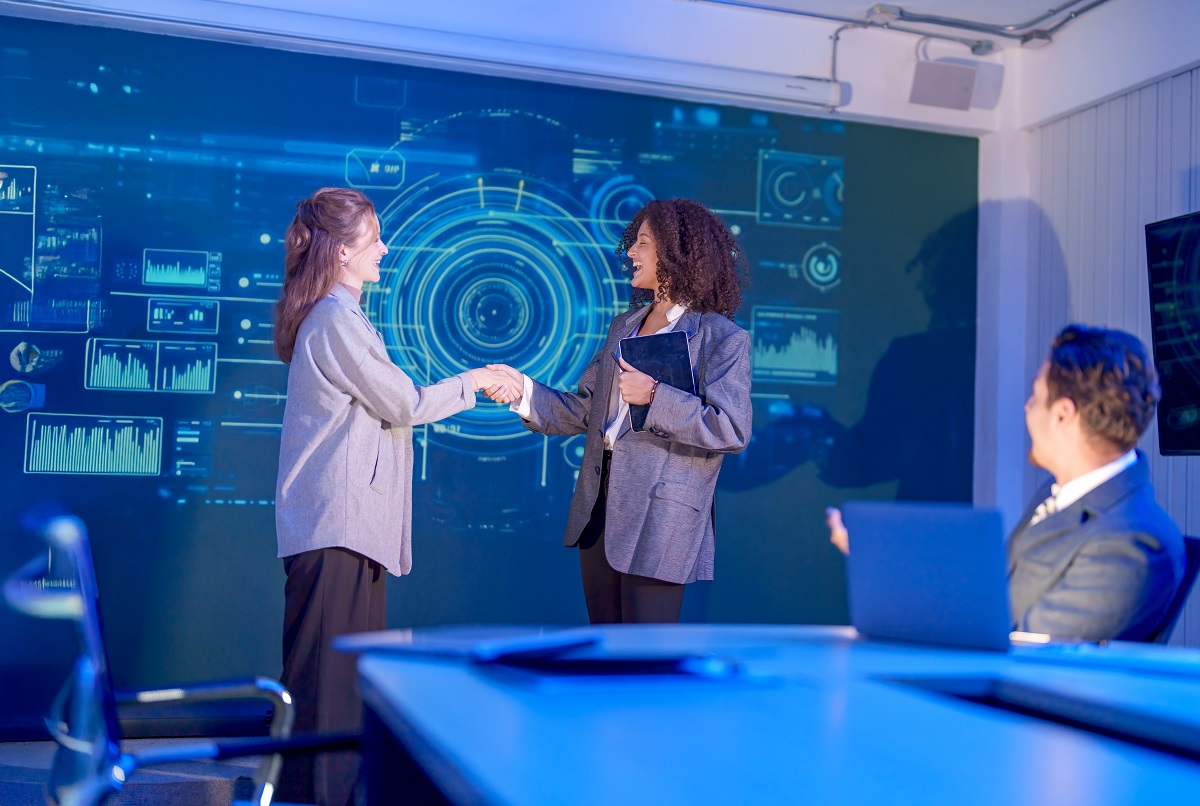
Technology will continue to automate the meeting experience. Cameras will automatically frame participants and adjust based on who is speaking. Audio systems will isolate voices and remove background noise in real time. Room environments will adapt automatically depending on whether the meeting involves presentations, discussions, or video collaboration. Artificial intelligence and emerging technologies such as augmented reality collaboration tools will also play a growing role in meetings. Smart systems are beginning to support features such as automatic meeting summaries, voice transcription, and intelligent content sharing. These capabilities help teams capture insights and decisions more efficiently while reducing administrative tasks. At the same time, design expectations for meeting spaces are rising. Luxury commercial environments such as executive offices, hotels, and premium event venues are expected to deliver meeting spaces that feel both technologically advanced and visually refined. Guests and clients increasingly expect environments where technology is powerful yet almost invisible.
The most successful meeting spaces of the future will balance three critical elements:
Advanced technology that enables seamless communication
Thoughtful room design that supports collaboration and comfort
Integrated systems that simplify the user experience
When these elements work together, the meeting space becomes more than a functional room. It becomes a strategic environment where ideas are exchanged, partnerships are formed, and decisions are made. Organizations that invest in smart conference rooms today position themselves to meet these evolving expectations and deliver exceptional meeting experiences for employees, partners, and clients.
Create Meeting Spaces That Work as Seamlessly as Your Ideas
When technology interrupts a meeting, focus disappears. Conversations stall. Momentum fades. But when the environment works effortlessly, something different happens. Discussions flow naturally. Ideas move faster. Participants stay engaged, whether they are in the room or across the world. That is the goal of a truly smart meeting space. From executive boardrooms to luxury hospitality venues, the right combination of audio, video, automation, and design transforms conference rooms into environments that support meaningful collaboration. If you want to explore how modern AV integration can elevate your meeting environments, you can see how smart technology is applied across different commercial spaces.
Explore smart AV solutions for modern spaces
Discover how thoughtfully integrated technology can help create meeting experiences that feel effortless, professional, and ready for the future.

Get in Touch
Quick Links
Sphere Audio Video | © 2025. All Rights Reserved




Site By Trustway Marketing
Powered by Kyrios Systems