
Strategy. Innovation. Automation
Technological Solutions
Our passion for innovation meets your unique business goals. Whether you are in need of communications strategy, visual implementations or looking to create a “wow” experience, we can help from consultation to implementation of the entire project.
Fueling Progress
We believe in the power of collaboration to drive technological advancements. By working together, we can achieve breakthroughs that would be impossible alone.
We are Here to Help
3,000+
Projects Completed

Automation and Integration

Boost Efficiency
We Provide Strategy, Innovation and Execution for Commercial Audio Video Needs
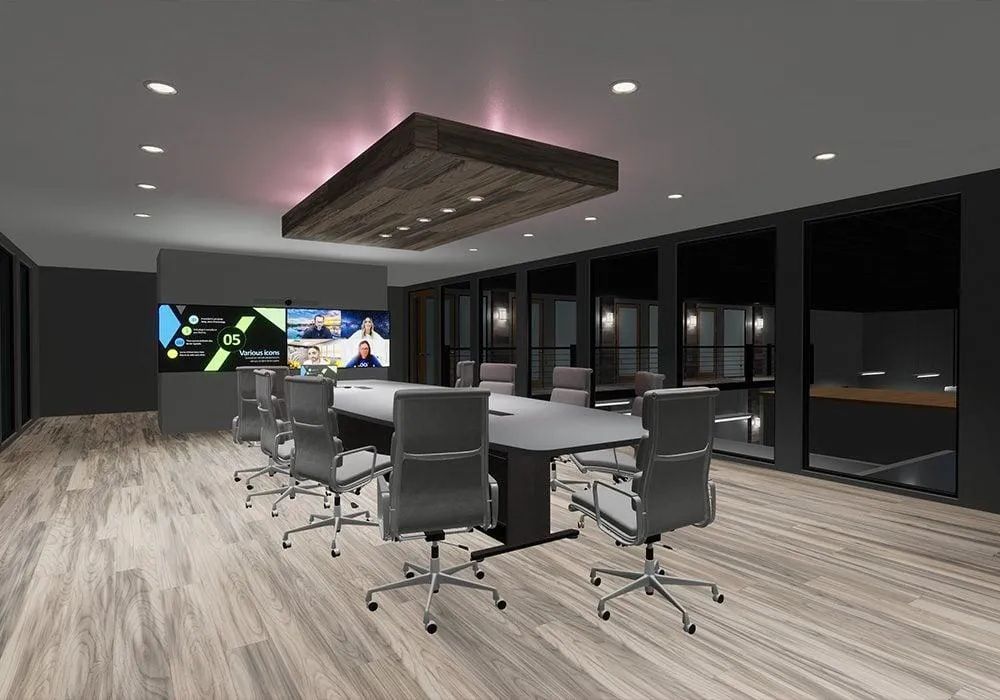
Sphere Audio Video empowers businesses to streamline operations and boost efficiency through seamless integration of cutting-edge automation and technology solutions. From smart buildings and AI-powered automation to VR training and cloud-based systems, Sphere AV tailors solutions to each client's unique needs, enabling them to work smarter, not harder. Their expertise in integrating separate technologies ensures a unified and cohesive system, maximizing efficiency and fostering a dynamic work environment.
Beyond Screens and Speakers
As a business, you need more than just audio-visual equipment. You need a strategic partner who can translate your vision into reality, harnessing the power of technology to create immersive experiences that engage, connect, and inspire.
Sphere Audio Video optimizes business operations with strategically designed distributed audio systems. Whether it's background music for fostering a specific atmosphere, clear communication for announcements, or zoned audio for targeted messaging, Sphere AV tailors solutions to enhance customer experience, improve staff productivity, and ensure clear communication throughout the space.

Unveiling the Cutting Edge
Forget about following trends, with Sphere Audio Video, you become the trendsetter. Our passionate team relentlessly explores and integrates the latest technologies, pushing the boundaries to deliver unmatched experiences for your customers. Imagine AI-powered sound systems that seamlessly adapt to any environment, or captivating 3D displays that transport audiences to another world.
We don't just offer technology; we craft solutions that elevate your brand and captivate your customers, leaving a lasting impression and driving business success.
Flawless Execution
Innovation without execution is just an idea. That's why we prioritize meticulous project management, ensuring every step, from design to installation and beyond, is executed flawlessly.
Our team of certified professionals possesses the technical expertise and experience to handle complex projects. We don't just install equipment; we build systems that work flawlessly and consistently deliver on your vision.

Transform Your Spaces/Rooms
with
Our Featured Technological Solutions
Experience the power of automation and innovative technology solutions that designed to enhance your work-spaces, making them more efficient, secure, and enjoyable.
Discover the power of our dynamic spaces and experience unparalleled productivity and efficiency.
Enhance your meetings, presentations, and education with advanced tech. Build strong networks for seamless communication.
Elevate your visuals with customizable video solutions. Connect seamlessly with cutting-edge conferencing.
Improve the sound quality of your work-spaces with our sound masking solutions and acoustical treatments.
Create your perfect environment with our innovative lighting solutions. Take control of brightness and color temperature.
Enhance your reality and Immerse yourself in virtual worlds and step into the future with our extended reality experiences.
Read Our Latest Articles
Smart Home Technology for Home Builders | Sphere AV
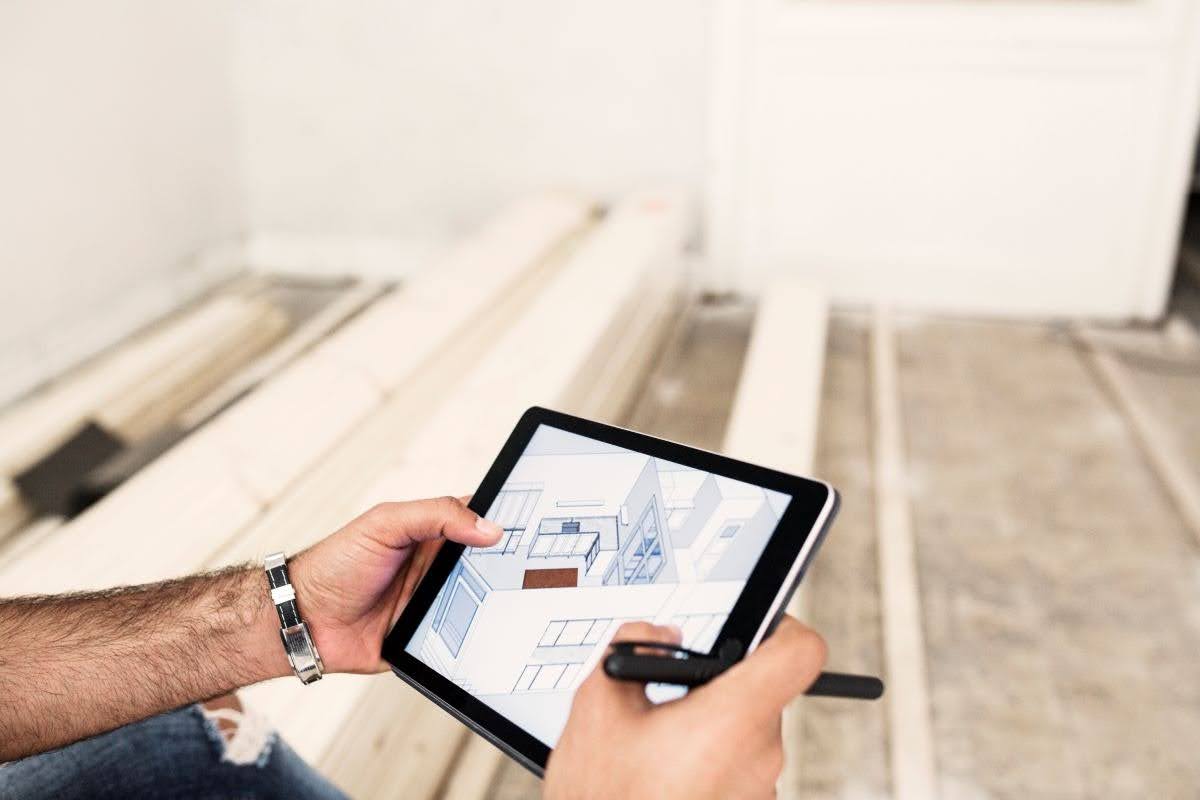
Smart home technology becomes a construction problem when it is introduced too late. A missed wiring run, an unplanned equipment location, or a late request for shades, speakers, cameras, or lighting controls can trigger wall repairs, change orders, trade conflicts, and delays that affect the entire schedule.
For builders, the issue is not whether a home should include smart technology. It is how to coordinate that technology before drywall, electrical work, millwork, and finish decisions limit the available options. Early planning helps keep trades aligned, protects the design, and prevents technology decisions from turning into late-stage chaos.
What Happens When Smart Home Technology Is Planned Too Late?
When smart home technology is introduced after key construction decisions have already been made, builders often absorb the consequences. Missing wire paths, undersized equipment locations, late electrical changes, and uncoordinated shade, speaker, camera, or control requirements can force crews to reopen finished work.
That can lead to:
Wall and ceiling repairs
Change orders and added labor
Conflicts between electricians, low-voltage contractors, designers, and other trades
Delays to drywall, millwork, painting, and final installation
Compromises in device placement or system performance
More homeowner questions and callbacks after completion
The problem is not the technology itself. The problem is trying to fit interconnected systems into a project after the schedule, structure, and finishes have already narrowed the available options. Early coordination gives each trade clearer requirements and helps the builder protect both the timeline and the finished result.
How Do Disconnected Smart Devices Create More Work for Builders?

Installing several smart products does not automatically create an integrated smart home. When devices are selected separately, each one may require its own app, network connection, power source, control method, and installation requirements.
For builders, that fragmentation can create coordination problems across multiple trades. An electrician may prepare one location, a low-voltage contractor may expect another, and a designer may specify finishes that leave no room for the required controls or equipment. These conflicts often appear late, when changes are more expensive and harder to absorb.
An integrated smart home is planned as one coordinated system. Lighting, climate control, security, entertainment, motorized shades, and networking are designed together so wiring, power, equipment locations, and controls are addressed before construction moves too far.
The difference is not the number of smart devices in the home. It is whether those devices were planned to work together without creating extra work for the builder.
Which Smart Home Systems Must Be Coordinated Before Drywall?

Builders should coordinate the systems that depend on wiring, power, framing, equipment space, and precise device placement before drywall is installed. These decisions are much easier to solve during rough-in than after walls, ceilings, cabinetry, and finishes are complete.
What Network Infrastructure Does the Home Need?
A reliable network supports lighting controls, cameras, televisions, audio systems, thermostats, mobile devices, and automation platforms. Builders should confirm structured cabling routes, wireless access point locations, equipment space, ventilation, and future expansion before walls are closed.
Where Should Lighting Controls Be Planned?
Smart lighting may require specific dimmers, keypads, sensors, load locations, and electrical coordination. Planning these details early helps prevent crowded wall boxes, misplaced controls, and late electrical revisions.
What Must Be Coordinated for Climate Control?
Integrated climate systems may depend on thermostat locations, control wiring, occupancy sensors, and coordination with lighting or motorized shades. These requirements should be reviewed before electrical and HVAC work is finalized.
Where Should Security and Access Devices Go?
Cameras, locks, entry sensors, alarms, and access controls require deliberate placement, power, wiring, and network support. Late decisions can result in exposed wiring, poor camera angles, or locations that conflict with trim, doors, lighting, and exterior finishes.
What Prewiring Is Needed for Audio and Video?
Whole-home audio and video systems may require speaker wire, television cabling, equipment locations, blocking, and ventilation. Early prewiring gives builders more options to conceal technology and avoid opening finished surfaces later.
What Do Motorized Shades Require During Construction?
Motorized shades may require power, low-voltage wiring, recessed pockets, framing adjustments, and exact measurements. These details must be coordinated with window treatments, millwork, electrical plans, and interior design before the openings are finished.
The goal is not to add every available smart feature. It is to identify each system that affects another trade and resolve those requirements before construction reaches the point where changes create rework or delays.
When Should Builders Bring in a Technology Integrator?
Builders should involve a technology integrator before electrical rough-in and before drywall closes the walls. The ideal time is during architectural, electrical, and interior design planning, while wiring routes, equipment locations, lighting controls, shade pockets, speaker placement, security devices, and network coverage can still be coordinated without rework.
Bringing the integrator in at that stage helps the project team:
Define technology requirements before trades begin installation
Resolve conflicts between electrical, low-voltage, HVAC, millwork, and design plans
Confirm power, wiring, ventilation, and equipment-space needs
Prevent late changes that affect drywall, ceilings, cabinetry, or finishes
Keep technology decisions from adding avoidable time to the schedule
If the integrator is brought in after rough-in, the project may already be locked into locations and pathways that cannot support the intended system cleanly. The earlier the coordination happens, the easier it is for the builder to protect the schedule and avoid late-stage chaos.
How Can Builders Future-Proof a Smart Home Without Overcomplicating the Project?
Builders can future-proof a smart home by planning flexible infrastructure, not by trying to predict every device a homeowner may want years from now.
The most durable decisions are the ones that are difficult to change after construction, including wiring routes, network design, equipment space, power, ventilation, and access for future upgrades. When those elements are planned early, the home can adapt without requiring major demolition or forcing later trades to work around finished conditions.
A future-ready plan should include:
Structured cabling to key locations
A professionally designed network
Adequate equipment space and ventilation
Accessible pathways for future wiring
Scalable automation and control systems
Compatible devices that can work across systems
Clear documentation for future service and upgrades
Future-proofing does not mean loading the home with unnecessary technology. It means giving the builder and homeowner a flexible foundation that reduces the risk of expensive retrofits later.
How Does Early Technology Coordination Reduce Trade Conflicts?

Early technology coordination reduces trade conflicts by giving each contractor clear requirements before installation begins. The technology integrator can identify where wiring, power, equipment, controls, ventilation, blocking, and device locations affect the work of the electrician, HVAC contractor, cabinetmaker, window-treatment provider, designer, and other trades.
That coordination helps the builder:
Resolve overlapping requirements before crews are on site
Prevent one trade from blocking another trade’s installation
Reduce last-minute changes to electrical, framing, millwork, and finishes
Confirm who is responsible for each part of the technology scope
Keep rough-in and finish work moving in the correct sequence
Avoid callbacks caused by missing infrastructure or unclear responsibilities
Without early coordination, small technology decisions can turn into schedule problems. A late keypad location may affect electrical work, a shade pocket may conflict with framing, or a speaker placement may interfere with lighting or HVAC. Addressing those details before installation protects the schedule and reduces the chance of costly rework.
How Can Builders Avoid Late-Stage Technology Chaos?

The best way to avoid late-stage technology chaos is to coordinate the technology scope before rough-in, drywall, millwork, and finish decisions are locked in.
Sphere Audio Video works with builders, architects, designers, electricians, and homeowners to identify wiring, power, equipment, control, networking, security, audio, video, and shading requirements early. That coordination helps reduce rework, prevent trade conflicts, and keep technology decisions from slowing the construction schedule.
If a project includes smart home technology, the next step is not to wait until installation. It is to create a clear plan before the walls close.
Planning a new home or renovation? Contact Sphere Audio Video early to coordinate the technology scope and avoid costly changes, schedule delays, and last-minute installation problems.
Frequently Asked Questions About Smart Home Technology for New Construction
What smart home systems should builders coordinate before drywall?
Builders should coordinate networking, structured wiring, lighting controls, climate systems, security, access control, audio, video, and motorized shades before drywall because each system may affect power, wiring, framing, equipment space, or another trade.
Is structured wiring still necessary in a wireless smart home?
Yes. Structured wiring provides more reliable connections for access points, cameras, televisions, control processors, audio equipment, and other systems that should not depend entirely on wireless performance.
Can smart home technology be added after construction?
Yes, but adding it after construction often increases cost, limits placement options, and creates a greater risk of wall repairs, exposed wiring, and trade rework.
What does a smart home technology integrator do?
A smart home technology integrator coordinates the design, wiring, equipment, controls, installation, and programming of connected home systems so they work together without creating avoidable conflicts during construction.
When should builders involve a technology integrator?
Builders should involve a technology integrator during architectural, electrical, and interior design planning, ideally before electrical rough-in and before drywall closes the walls.

Get in Touch
Quick Links
Sphere Audio Video | © 2025. All Rights Reserved




Site By Trustway Marketing
Powered by Kyrios Systems