
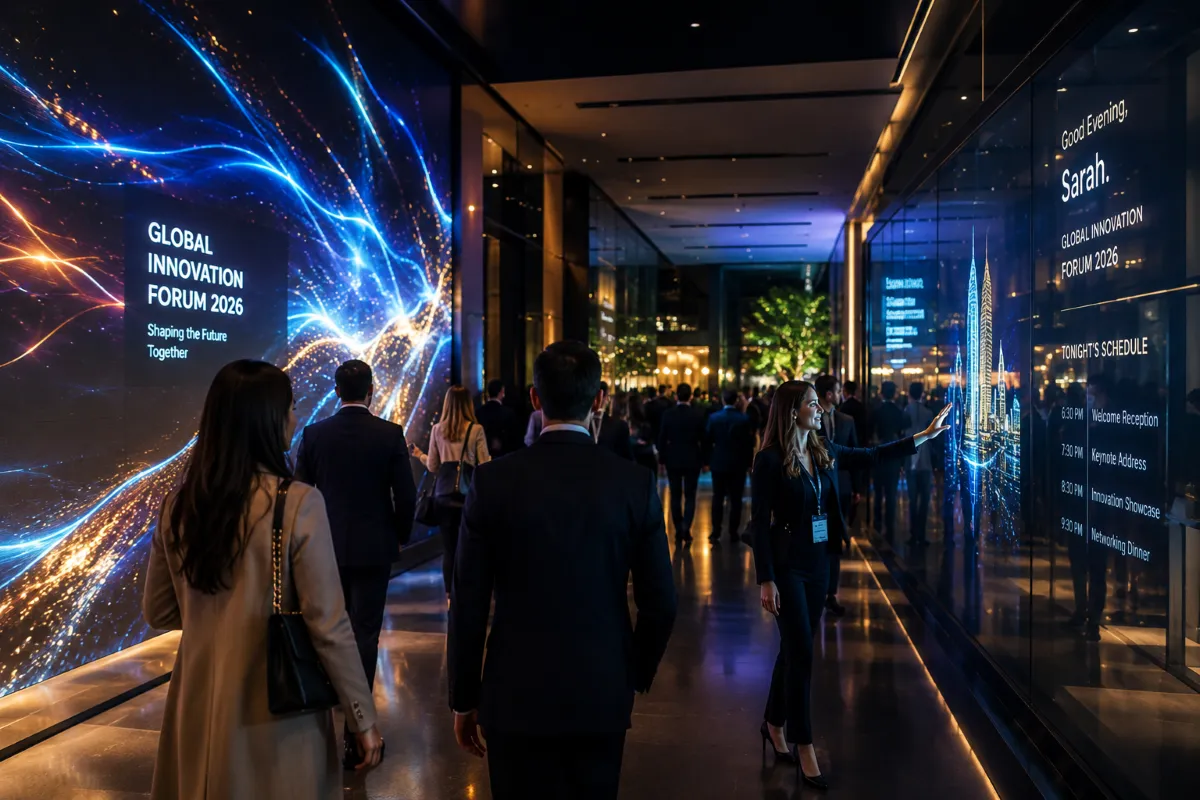
The Role of Technology in Event Management for Memorable Experiences
What Are Event Technology Solutions?
Event technology solutions are integrated audio, visual, lighting, and interactive systems designed to create seamless, immersive, and high-impact event experiences. These technologies work together to enhance communication, elevate brand perception, and transform how audiences engage with your event.
At a fundamental level, event technology goes beyond basic equipment. It is a strategic, fully integrated approach that ensures every element from sound clarity to visual storytelling works in harmony. For your event, this means every message is delivered with precision, every detail feels intentional, and every moment resonates.
Modern event technology solutions typically include:
Audiovisual (AV) systems for crystal-clear sound and dynamic visuals
Intelligent lighting design to shape atmosphere and guide attention
Live streaming and hybrid event platforms for global reach
Interactive technologies such as touchscreens, polling, and real-time engagement tools
Immersive experiences powered by augmented and virtual reality
When thoughtfully implemented, these solutions create an environment where technology feels effortless and intuitive, allowing your audience to focus entirely on the experience, not the mechanics behind it.
For luxury brands, corporate environments, and high-end events, event technology is not optional; it is the foundation of a refined, memorable, and future-forward experience.
How Does Audio Visual Technology Improve Live Events?
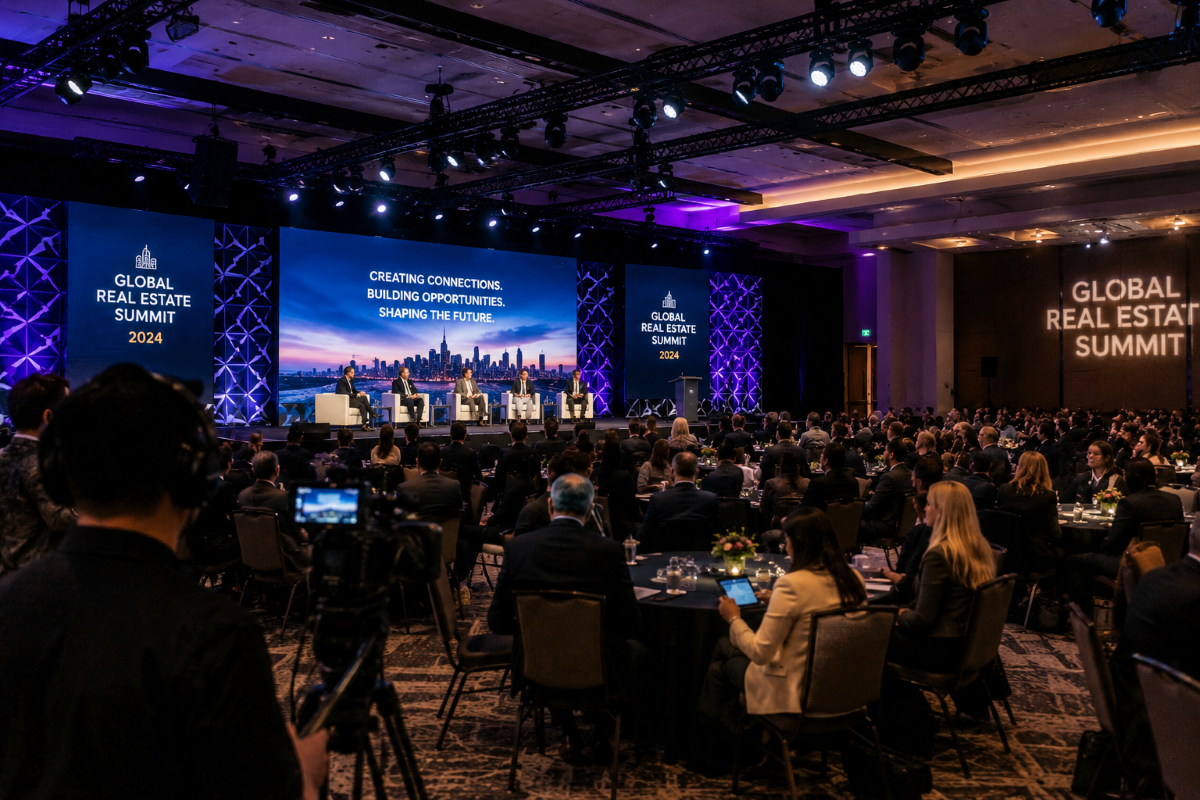
Audiovisual (AV) technology improves live events by delivering seamless communication, immersive storytelling, and a fully integrated sensory experience. When thoughtfully designed, AV transforms an event from a standard presentation into a sophisticated environment where every detail feels intentional and elevated.
At its core, AV technology ensures your message is not only delivered with clarity, but experienced with impact. Sound, video, and lighting work together to create a cohesive atmosphere that captures attention and maintains engagement from beginning to end.
High-performance sound systems are engineered to adapt to the unique acoustics of your space, ensuring every word and sound is delivered with precision. This creates an effortless listening experience where your audience remains fully connected, whether they are seated in the front row or across a large venue.
Visual technology further enhances this experience by turning content into a compelling narrative. From expansive, high-definition displays to seamless live streaming, video becomes a powerful medium for guiding attention, reinforcing key messages, and extending your event’s reach beyond the physical space.
Lighting completes the environment by shaping mood, directing focus, and adding a layer of visual sophistication. When intelligently designed, lighting evolves with the rhythm of your event, creating a dynamic and immersive setting that feels both polished and memorable.
Together, these elements form a seamless, intuitive system where technology fades into the background, allowing your audience to fully engage with the experience in front of them.
How Does Event Technology Enhance Attendee Experience?
Event technology enhances attendee experience by creating immersive, interactive, and personalized environments that actively engage audiences rather than passively presenting information. When designed with intention, technology transforms events into memorable experiences that foster deeper emotional connection and lasting impact.
One of the most powerful ways this is achieved is through immersive technologies such as augmented reality (AR) and virtual reality (VR). These tools allow attendees to move beyond observation and step directly into the experience. Whether it’s visualizing a product in a fully interactive environment or exploring a digitally enhanced space, these technologies create moments that feel both innovative and unforgettable.
Equally important is the role of interactive engagement. Modern event technology enables real-time participation through digital polling, live Q&A platforms, and gamified experiences that invite attendees to contribute, respond, and connect. This shift from passive viewing to active involvement keeps energy levels high and ensures your audience remains fully engaged throughout the event.
These experiences are further elevated when technology is seamlessly integrated across touchpoints. From mobile interfaces to responsive displays, attendees can navigate and interact with content in a way that feels intuitive and effortless—eliminating friction and enhancing overall satisfaction.
The result is an environment where your audience doesn’t just attend—they participate, connect, and remember. For brands and organizations, this level of engagement translates into stronger message retention, deeper relationships, and a more meaningful event experience.
What Are Real-World Examples of Event Technology in Action?
Real-world event technology applications demonstrate how audio visual systems and immersive tools transform standard events into engaging, high-impact experiences. When strategically implemented, these technologies elevate both audience engagement and brand perception.
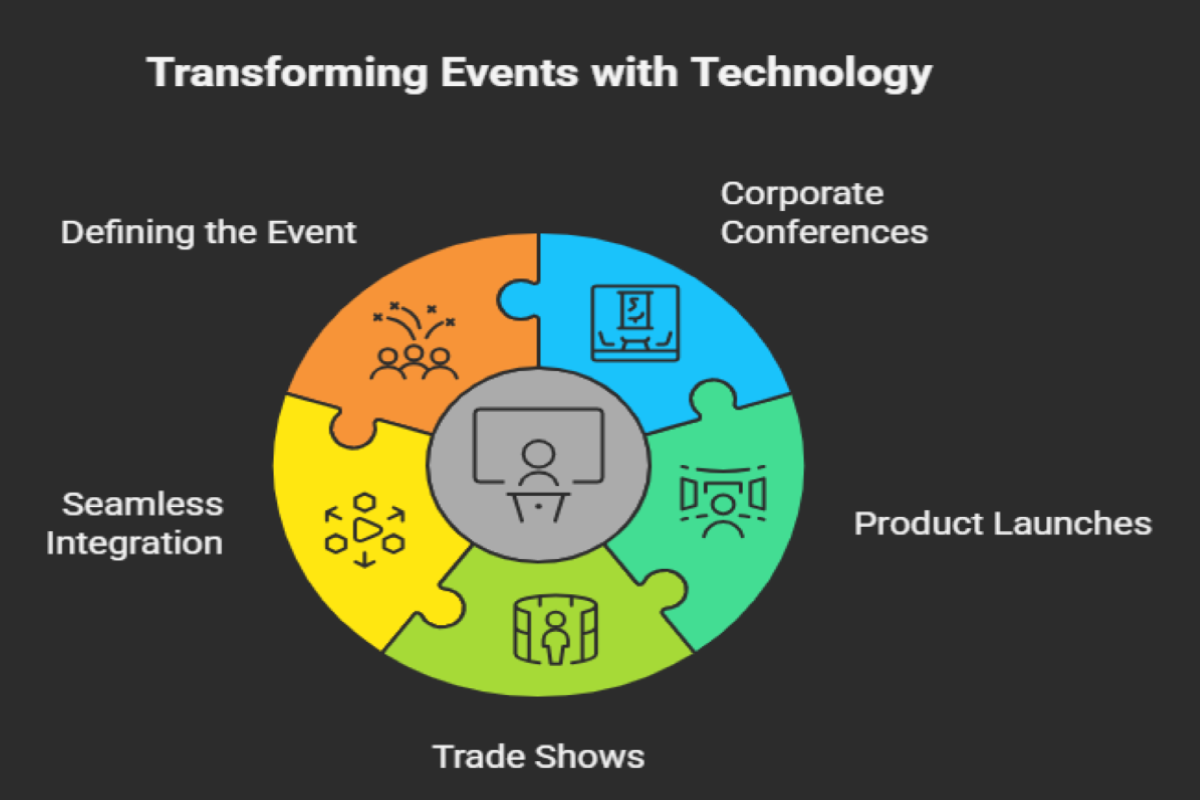
Corporate Conferences with Interactive Touchpoints
At high-level conferences, interactive touchscreens allow attendees to explore content beyond the presentation itself. This creates a more personalized, self-directed experience where your audience engages with information in a way that feels intuitive, seamless, and tailored to their interests.Product Launches with Immersive Visual Environments
For product launches, advanced video technology such as 360-degree projections and large-scale displays can completely redefine the space. Rather than simply showcasing a product, you create a fully immersive brand narrative one that communicates innovation, identity, and value with clarity and sophistication.Trade Shows Enhanced by Virtual Reality Experiences
Trade shows become significantly more impactful when powered by immersive technologies like virtual reality. These experiences allow attendees to interact with products or environments in a dynamic, hands-on way bridging the gap between concept and reality while leaving a lasting impression.
Across each of these scenarios, the defining factor is seamless integration. When sound, visuals, and interactive elements work together effortlessly, the experience feels cohesive, elevated, and distinctly modern.
These examples reinforce a simple truth: when executed with precision, event technology doesn’t just support your event it defines it.
How to Create Immersive Event Environments with Technology
Creating immersive event environments with technology requires the seamless integration of audio, visual, and interactive elements to transform a space into a fully engaging experience. When executed correctly, your event becomes more than a venue it becomes a carefully designed environment that captures attention and guides perception.
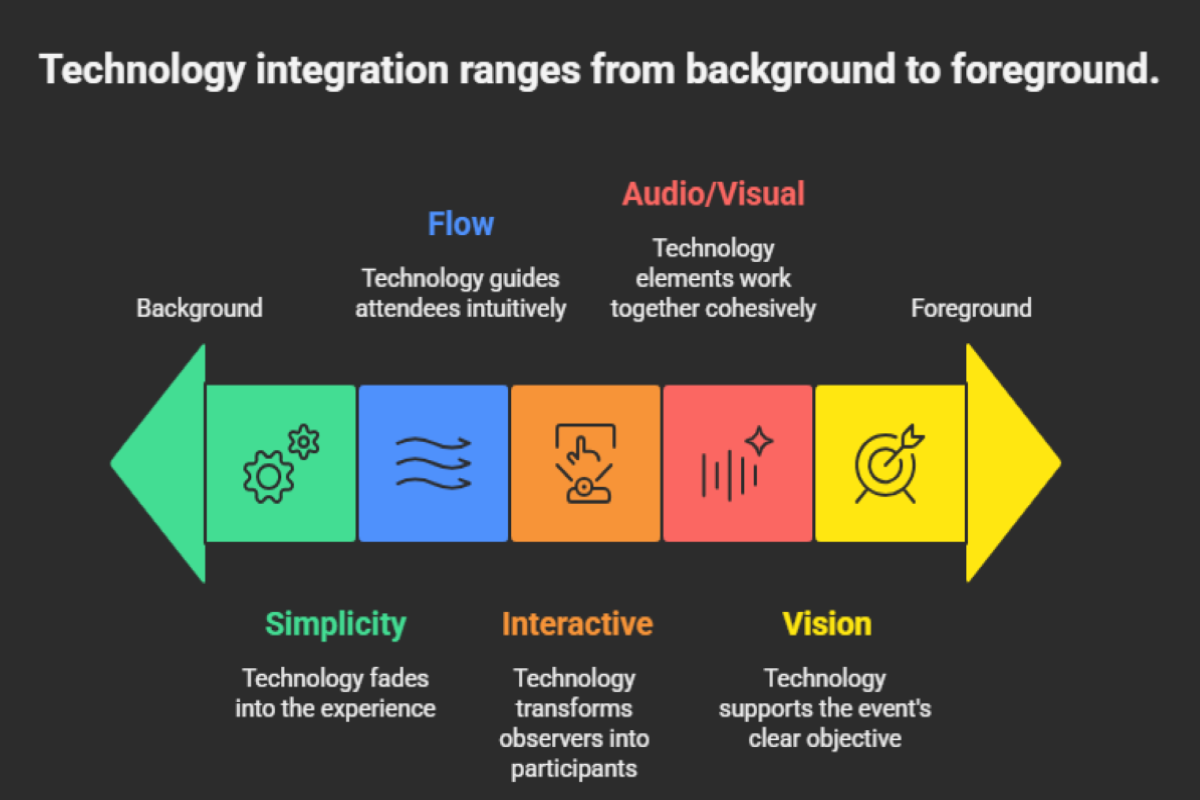
Align Technology with Your Event Vision
Every immersive experience begins with a clear objective. Whether your goal is to inspire, educate, or showcase innovation, technology should be selected and designed to support that vision. This ensures every element feels intentional and aligned with your brand.Integrate Audio and Visual Elements Seamlessly
Immersion depends on cohesion. Spatial audio, high-definition visuals, and synchronized lighting must work together as a unified system. When these elements are thoughtfully integrated, the environment feels natural and uninterrupted allowing your audience to remain fully engaged.Incorporate Interactive Touchpoints
Interactivity transforms attendees from observers into participants. Technologies such as live polling, responsive displays, and personalized content experiences create a sense of involvement that elevates engagement and deepens connection.Design for Flow and Movement
An immersive environment should guide attendees intuitively through the space. Strategic lighting, screen placement, and content transitions help direct attention and create a natural progression, ensuring the experience feels effortless rather than overwhelming.Ensure Simplicity Behind the Scenes
While the experience may feel complex, the execution should be seamless. Intuitive control systems and expert calibration ensure that everything runs smoothly allowing your event to unfold without disruption.
When these elements come together, technology fades into the background, and the experience takes center stage. The result is a refined, fully immersive environment that feels both sophisticated and unforgettable.
How Event Technology Ensures Clear and Compelling Messaging
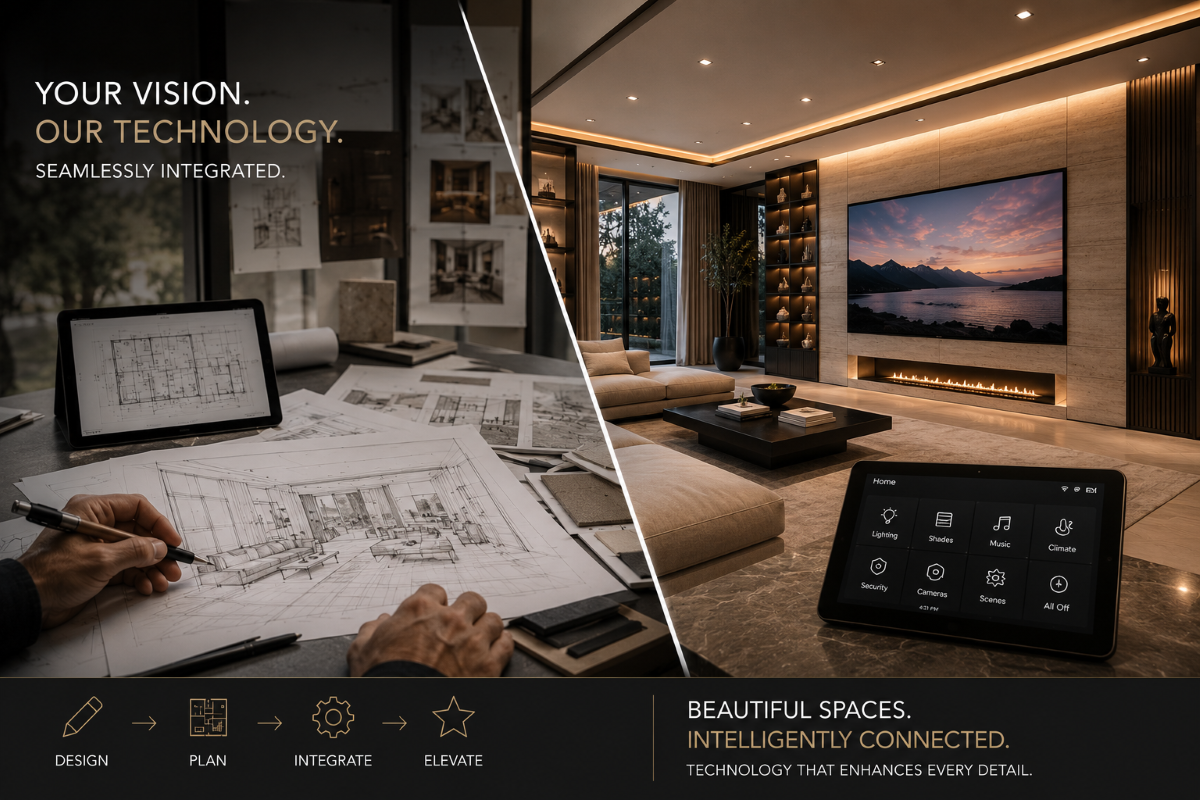
Event technology ensures clear and compelling messaging by delivering content with precision, reinforcing key ideas visually, and creating a cohesive environment where every element supports communication. When properly integrated, technology removes distractions and allows your message to resonate with clarity and impact.
At the foundation of effective communication is sound. Advanced audio systems ensure that every word is delivered with consistency and precision, regardless of the size or acoustics of the venue. This allows your audience to remain fully focused and engaged without interruption.
Visual technology enhances this clarity by transforming information into a compelling narrative. High-resolution displays and dynamic content presentation make complex ideas easier to understand, ensuring your message is not only seen—but retained.
Lighting plays a strategic role in guiding attention and reinforcing key moments. Subtle adjustments in intensity and color help shape perception, ensuring your audience naturally focuses on what matters most.
When these elements are integrated, they create a communication system that is both seamless and powerful:
Crystal-clear audio ensures every message is heard without effort
High-definition visuals reinforce and simplify complex information
Strategic lighting directs focus and enhances key moments
Synchronized systems ensure every element works in harmony
The result is an environment where your message is not competing for attention, it is elevated by design.
When executed with precision, event technology transforms communication into an experience that is clear, engaging, and designed to leave a lasting impression.
Why Event Technology Is Essential for Modern Events
Event technology is essential for modern events because it enhances audience engagement, elevates brand perception, and ensures seamless execution in increasingly high-expectation environments. In today’s landscape, audiences expect more than information; they expect experiences that feel immersive, refined, and thoughtfully designed.
As events become more competitive, the quality of the experience directly reflects the quality of the brand behind it. Advanced audiovisual systems, intelligent lighting, and interactive technologies work together to create environments that feel polished and intentional. This level of execution not only captures attention but also reinforces credibility and professionalism.
Event technology also plays a critical role in engagement. Modern audiences are no longer satisfied with passive participation. They expect to interact, respond, and connect with the content in real time. When technology enables this level of involvement, it creates a stronger emotional connection and significantly improves message retention.
Beyond engagement, technology ensures consistency and reliability. Seamless integration across all systems reduces the risk of disruptions and allows events to flow effortlessly. This is particularly important in high-stakes environments where precision and timing are essential.
Ultimately, event technology is not just an enhancement; it is a foundation. It enables you to deliver experiences that are not only memorable but meaningful. For organizations that value innovation, presentation, and impact, investing in the right technology is what separates a standard event from one that is truly exceptional.
FAQs About Event Technology Solutions
What are event technology solutions?
Event technology solutions are integrated systems that combine audio, visual, lighting, and interactive tools to enhance how events are experienced and delivered. These solutions are designed to create seamless, engaging environments where communication, branding, and audience interaction work together effortlessly.
How does event technology improve attendee engagement?
Event technology improves engagement by transforming attendees from passive viewers into active participants. Through interactive tools such as live polling, Q&A platforms, and immersive experiences like AR and VR, audiences become more involved, leading to stronger connections and higher information retention.
What types of technology are used in live events?
Live events typically use a combination of audiovisual systems, lighting design, video displays, live streaming platforms, and interactive technologies. Together, these elements create a cohesive experience that supports communication, enhances atmosphere, and delivers a polished, professional presentation.
Why is audiovisual (AV) important for events?
Audiovisual technology is essential because it ensures your message is delivered clearly, consistently, and with impact. High-quality sound, sharp visuals, and synchronized lighting help eliminate distractions and create an environment where your audience can fully focus and engage.
How can event technology support hybrid or virtual events?
Event technology enables hybrid and virtual events by providing live streaming, real-time interaction tools, and high-quality content delivery across digital platforms. This allows you to extend your reach beyond the physical venue while maintaining a seamless and engaging experience for remote attendees.
How do you choose the right event technology solutions?
Choosing the right event technology solutions starts with understanding your event goals, audience expectations, and venue requirements. A strategic approach ensures that every element from sound to visuals is aligned with your vision, creating a cohesive and elevated experience.
What is the ROI of investing in event technology?
The return on investment comes from increased audience engagement, stronger brand perception, and more impactful communication. Well-executed event technology not only enhances the attendee experience but also drives long-term value through improved retention, satisfaction, and brand recognition.