
Projection Mapping: Why Events Without It Don’t Get Remembered
Walk into most events, and you’ll notice the same pattern. The lighting is decent. The screens are on. The space looks “fine.” People arrive, look around, check their phones, have a few conversations, and leave. Nothing goes wrong. But nothing sticks either.
Two days later, if you asked attendees what stood out, you’d get vague answers. “It was good.” “Nice setup.” “Solid event.” The kind of feedback that sounds positive but carries no weight. No memory. No impact. Now compare that to a different kind of event.
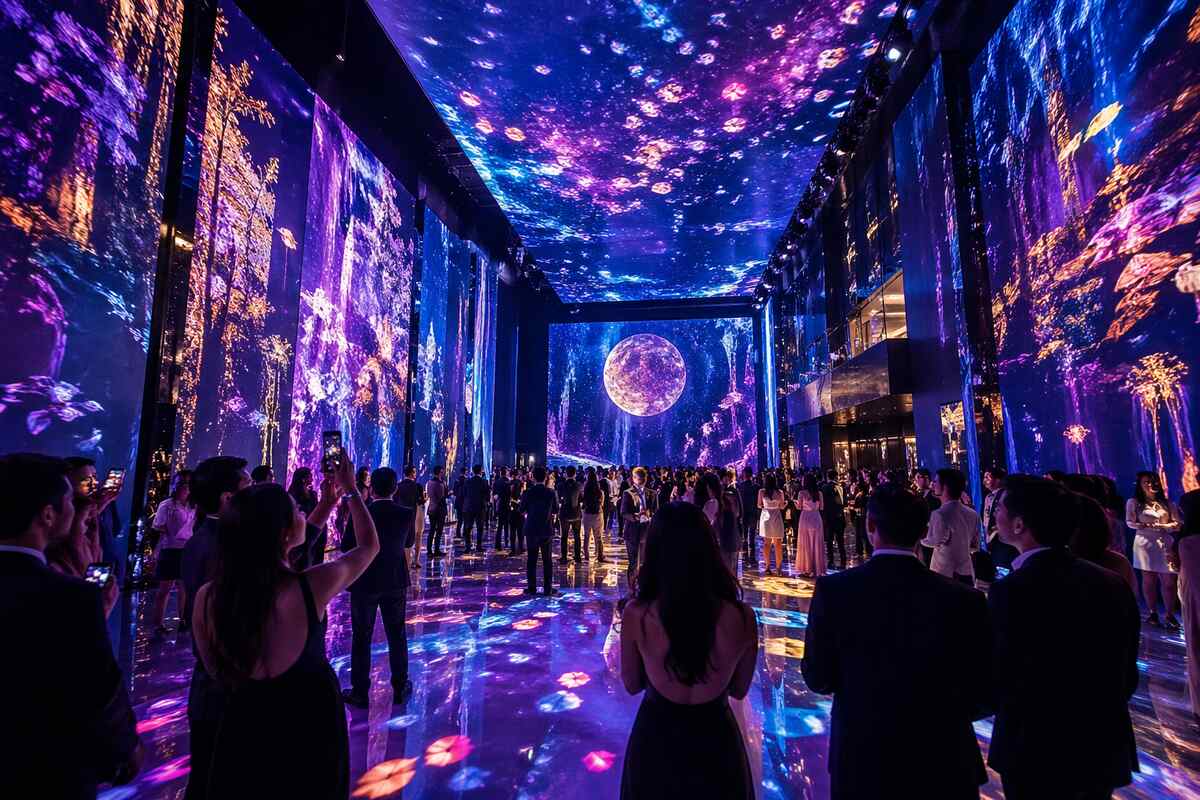
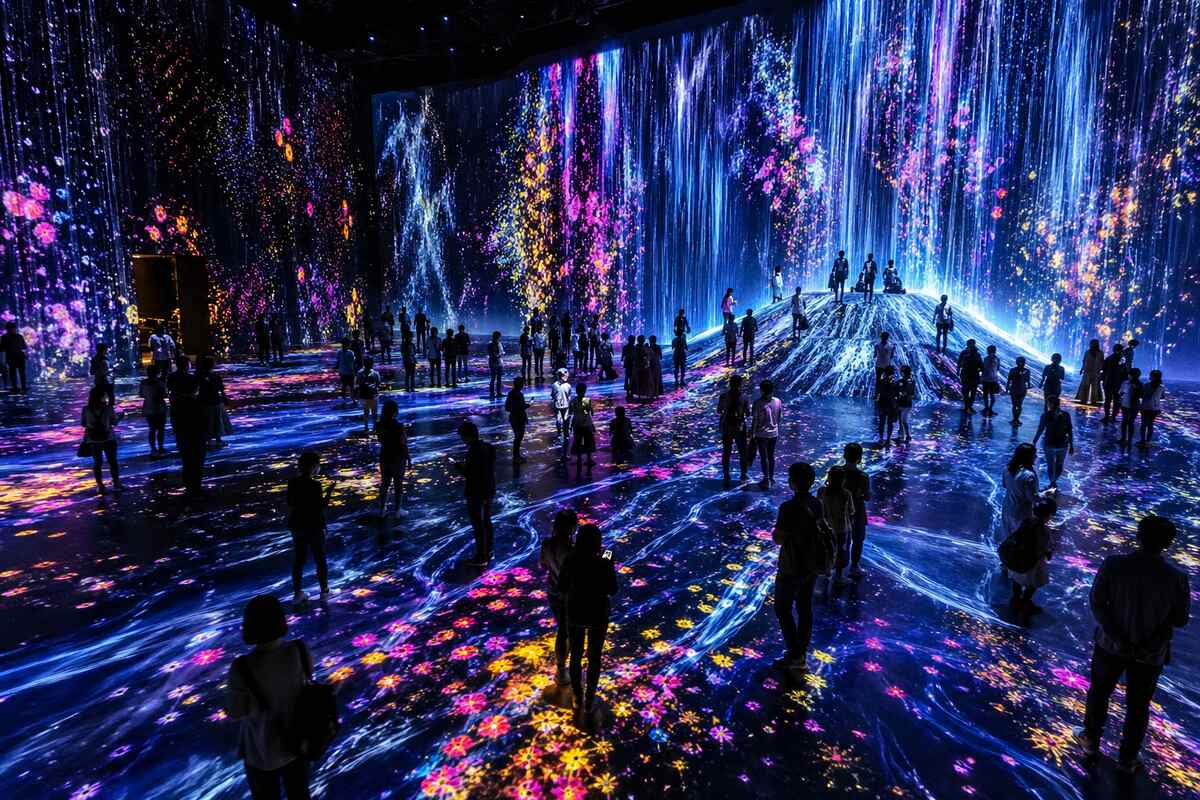
The moment guests walk in, the environment responds. Walls shift with motion. Surfaces transform. Light, sound, and visuals work together to create something immersive. People pause. They look up. They pull out their phones. They share.
That event doesn’t just get attended. It gets remembered. This is the real gap most businesses underestimate. Events are no longer judged by logistics or attendance. They are judged by experience, perception, and memorability. And that’s where projection mapping changes everything.
It doesn’t just add visuals. It turns space into something dynamic, something intentional, something people actually feel. Without that shift, most events blend into the background. And in a market where attention is scarce, being forgettable is the most expensive outcome.
What Is Projection Mapping (And Why Most Explanations Miss the Point)
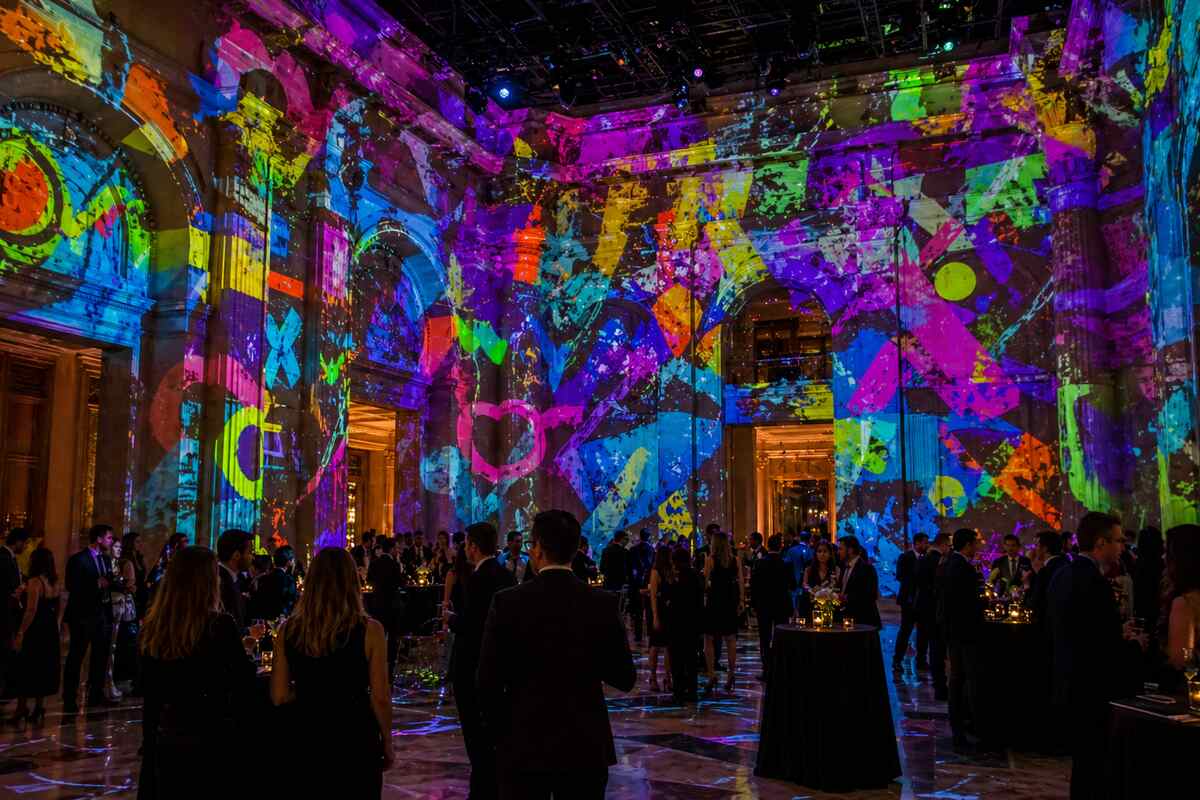
Projection mapping is often explained in technical terms. At its simplest, it’s the process of projecting visuals onto surfaces that aren’t traditional screens. Instead of using flat displays, projection mapping turns walls, ceilings, architectural features, and even objects into dynamic visual elements.
A building can appear to move. A wall can transform into a story, as seen in these projection-mapping examples across architecture and events. A static surface becomes something alive. That’s the functional definition. But this is where most explanations stop, and that’s the problem. Because businesses don’t invest in projection mapping for the technology itself. They invest in what it does to the experience.
Projection mapping changes how people perceive a space. It shifts the environment from something passive into something immersive. Instead of looking at a screen, the audience feels surrounded by the experience.
And that shift matters. When a space evolves visually, people pay attention. When the environment reacts or transforms, it creates curiosity. And when curiosity is triggered, engagement follows naturally.
This is the real role of projection mapping. It’s not about displaying content. It’s about controlling perception, directing attention, and shaping how an experience is remembered. That distinction is what separates a standard setup from something that actually leaves an impression.
Why Most Events Fail to Be Remembered
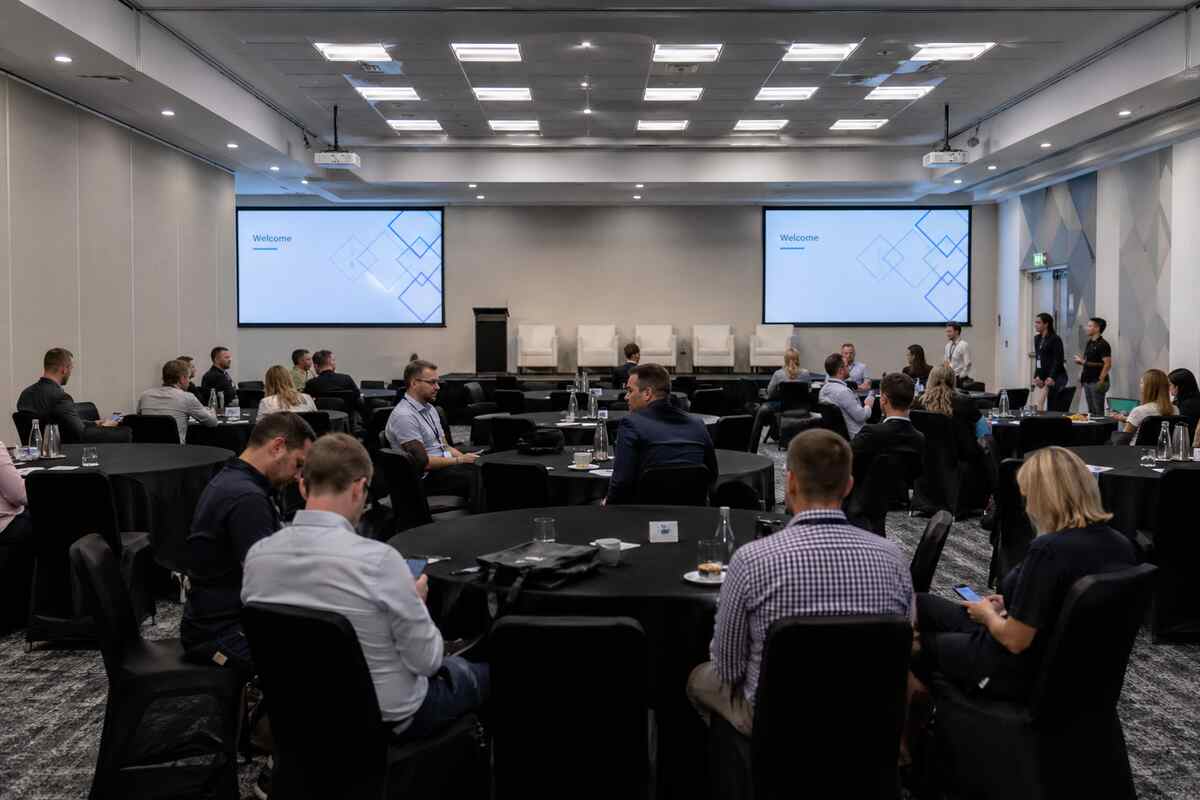
Most events don’t fail because something went wrong. They fail because nothing stood out. Everything works as expected. The screens display content. The lighting is adequate. The space is functional. But the experience never crosses the threshold from “acceptable” to “memorable.” That gap usually comes down to three problems.
1. Static environments
Walk into most venues and what you see is what you get. Walls stay the same. Lighting barely evolves. The environment doesn’t respond to what’s happening. It feels fixed, predictable, and ultimately forgettable.
2. Passive experiences
Most events are built for observation, not participation. Guests watch presentations. They listen. They move through the space without ever feeling pulled into it. There’s no moment that makes them pause, no shift that captures their focus. Without interaction or immersion, engagement stays low.
3. No sensory impact
Memorable experiences stimulate more than one sense. They use movement, contrast, sound, and visual layering to create emotion. Most events rely on isolated elements instead of a coordinated environment. The result feels flat. And this is where the real business risk shows up. For commercial spaces and event-driven environments, perception matters. A space that feels outdated or uninspired doesn’t just affect the event. It affects how the brand is seen.
Business owners already feel this pressure:
The need to impress clients and guests
The expectation of a high-end, modern environment
The risk of losing attention to more immersive competitors
When the environment doesn’t support that expectation, the experience falls short. And when the experience falls short, people move on without remembering it. If nothing changes in the environment, nothing sticks in memory.
The Psychology of Memorable Experiences
People don’t remember events the way businesses think they do.
They don’t remember schedules, agendas, or even most conversations.
They remember moments.
And those moments are driven by a few predictable triggers.
1. Contrast
The brain notices what breaks expectation.
If everything in a space looks the same, attention fades. But when something shifts suddenly, visually or emotionally, it creates a spike in awareness.
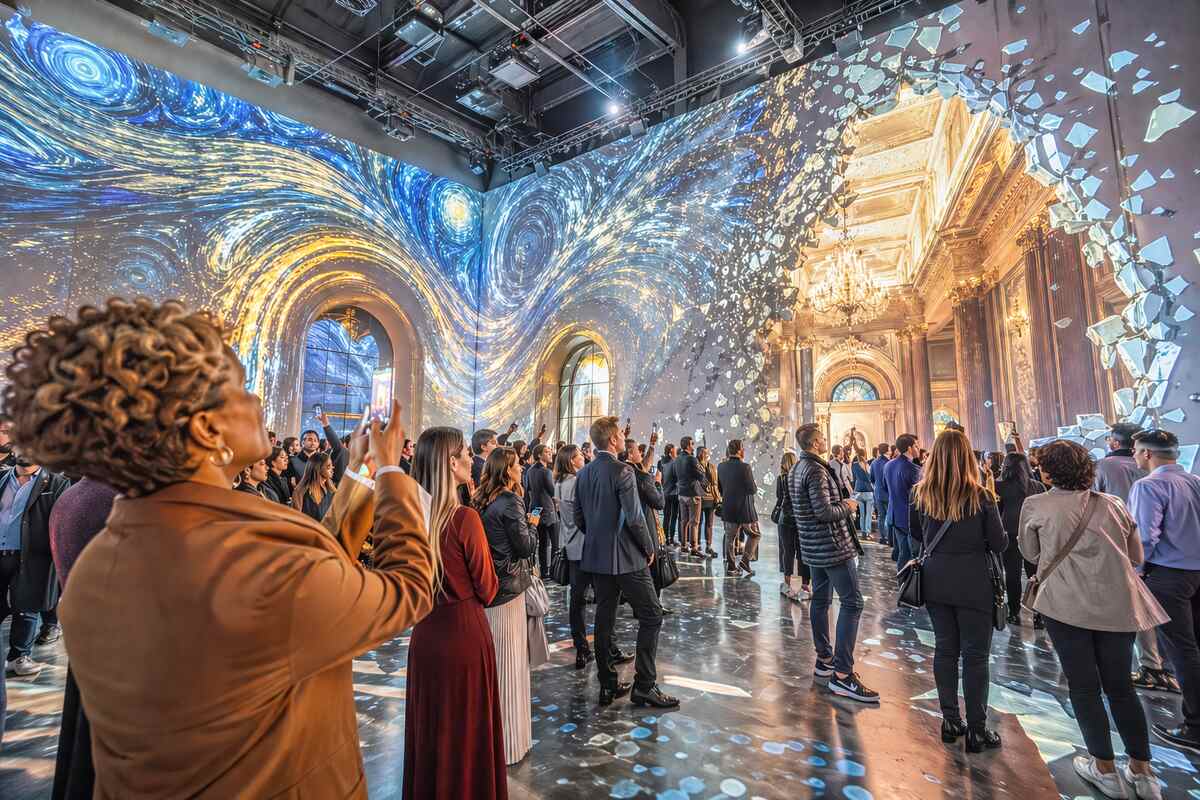
A wall that transforms. A space that evolves. That contrast creates a moment people actually register.
The Psychology of Memorable Experiences
People don’t remember events the way businesses think they do. They don’t remember schedules, agendas, or even most conversations. They remember moments. And those moments are driven by a few predictable triggers.
1. Contrast
The brain notices what breaks expectation. If everything in a space looks the same, attention fades. But when something shifts suddenly, visually or emotionally, it creates a spike in awareness. A wall that transforms. A space that evolves. That contrast creates a moment people actually register.
2. Motion
Movement pulls attention faster than anything static. It’s instinctive. The human brain is wired to follow motion. That’s why dynamic environments feel more engaging, even if the content itself is simple. When a space moves, people look. When people look, they engage.
3. Novelty
People remember what feels new. If an environment looks like every other event they’ve attended, it gets filtered out immediately. But when the experience feels different, even slightly, it creates curiosity. Curiosity is what keeps people present.
4. Emotion
This is the multiplier. When visual experience connects with emotion, even subtly, it becomes memorable. Not because it was loud or overwhelming, but because it felt intentional. And here’s where most events fall short.
They deliver information. They don’t create an emotional imprint. Projection mapping changes that equation. It combines contrast, motion, and novelty into a single layer of the environment. Instead of relying on one focal point, it transforms the entire space into something that holds attention. That’s why people don’t just see it. They remember it.
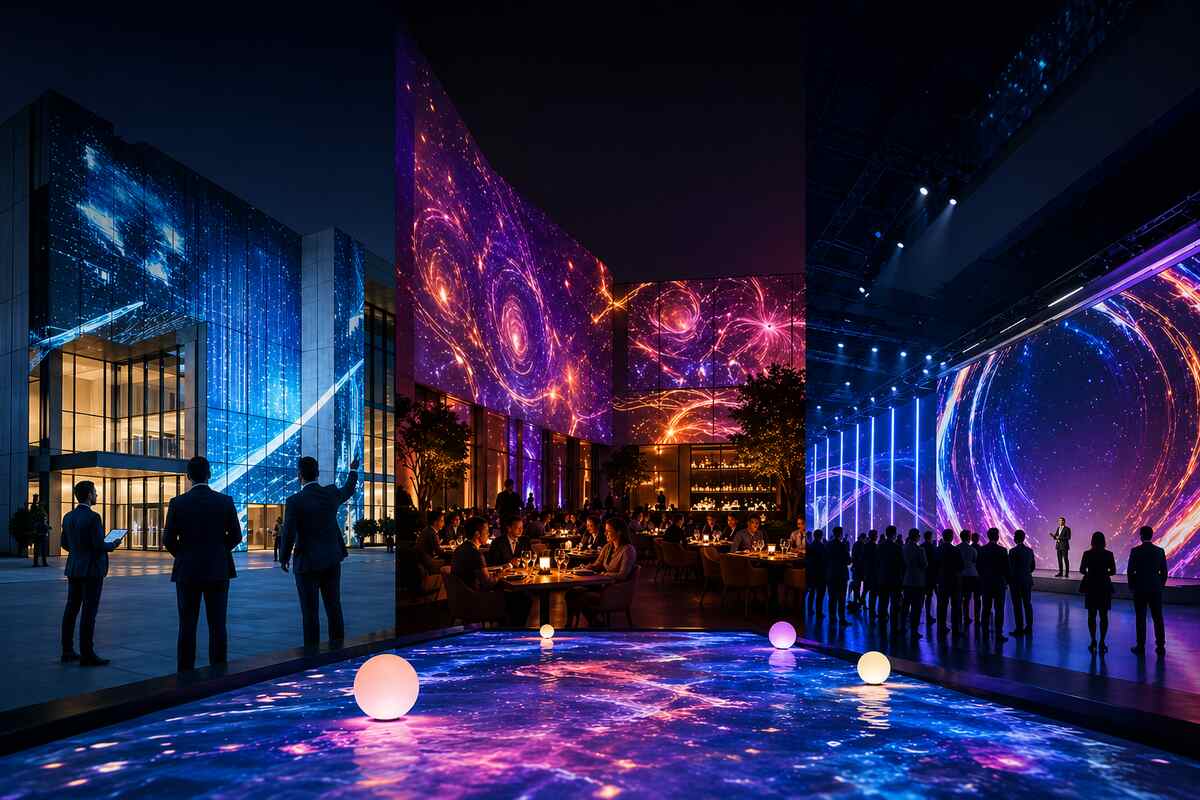
How Projection Mapping Transforms a Space
At a surface level, projection mapping adds visuals.
In practice, it changes how a space behaves.
Instead of treating walls, ceilings, and structures as fixed elements, it turns them into active parts of the experience. The environment stops being a backdrop and starts becoming the message.
That shift happens in a few key ways.
1. It turns surfaces into storytelling assets
In a traditional setup, storytelling lives on a screen.
With projection mapping, the entire space carries the narrative.
A lobby can introduce a brand before a word is spoken. A venue can guide people through a
How Projection Mapping Transforms a Space
At a surface level, projection mapping adds visuals. In practice, it changes how a space behaves. Instead of treating walls, ceilings, and structures as fixed elements, it turns them into active parts of the experience. The environment stops being a backdrop and starts becoming the message. That shift happens in a few key ways.
1. It turns surfaces into storytelling assets
In a traditional setup, storytelling lives on a screen. With projection mapping, the entire space carries the narrative. A lobby can introduce a brand before a word is spoken. A venue can guide people through a sequence of moments without signage or instruction. The environment itself communicates intent. This is where spaces stop looking designed and start feeling
2. It creates movement in otherwise static environments
Most venues are structurally impressive but visually static. Projection mapping introduces controlled movement without altering the architecture. Light, motion, and visual transitions bring energy into the space without physical reconstruction. The result feels dynamic, even in familiar environments. And that perceived energy changes how people experience time inside the space. They stay longer. They explore more.
3. It directs attention with precision
In most events, attention is scattered. People look at their phones. They drift between conversations. The environment doesn’t guide them. Projection mapping gives you control.
You decide where people look. When they look. And what they focus on. Visual transitions can pull attention across the room, highlight key moments, or reinforce messaging without interrupting the flow of the event. It replaces randomness with intention.
4. It elevates brand perception instantly
Perception is formed in seconds. When someone walks into a space that feels immersive, coordinated, and intentional, they don’t analyze the technology. They make a judgment. This feels premium. This feels modern. This feels like a brand that understands experience. That’s critical for your audience.
Commercial property owners, hospitality operators, and business leaders are not just creating environments. They are shaping how their brand is experienced in real time. When the space feels elevated, the brand feels elevated. And that’s where projection mapping becomes more than a visual layer. It becomes part of a larger strategy to create environments that don’t just function, but communicate impact
Real Business Impact — Not Just “Cool Visuals”
This is where most conversations around projection mapping fall apart.
It gets labeled as a visual upgrade. Something creative. Something that looks impressive.
But for business owners, that’s not the question that matters.
The real question is:
What does this actually do for the business?
When projection mapping is executed correctly, the impact shows up in measurable ways.
1. It increases engagement without forcing it
Most environments compete for attention.
People check their phones. Conversations drift. Focus is inconsistent.
Real Business Impact — Not Just “Cool Visuals”
This is where most conversations around projection mapping fall apart. It gets labeled as a visual upgrade. Something creative. Something that looks impressive. But for business owners, that’s not the question that matters.
The real question is:
What does this actually do for the business?
When projection mapping is executed correctly, the impact shows up in measurable ways.
1. It increases engagement without forcing it
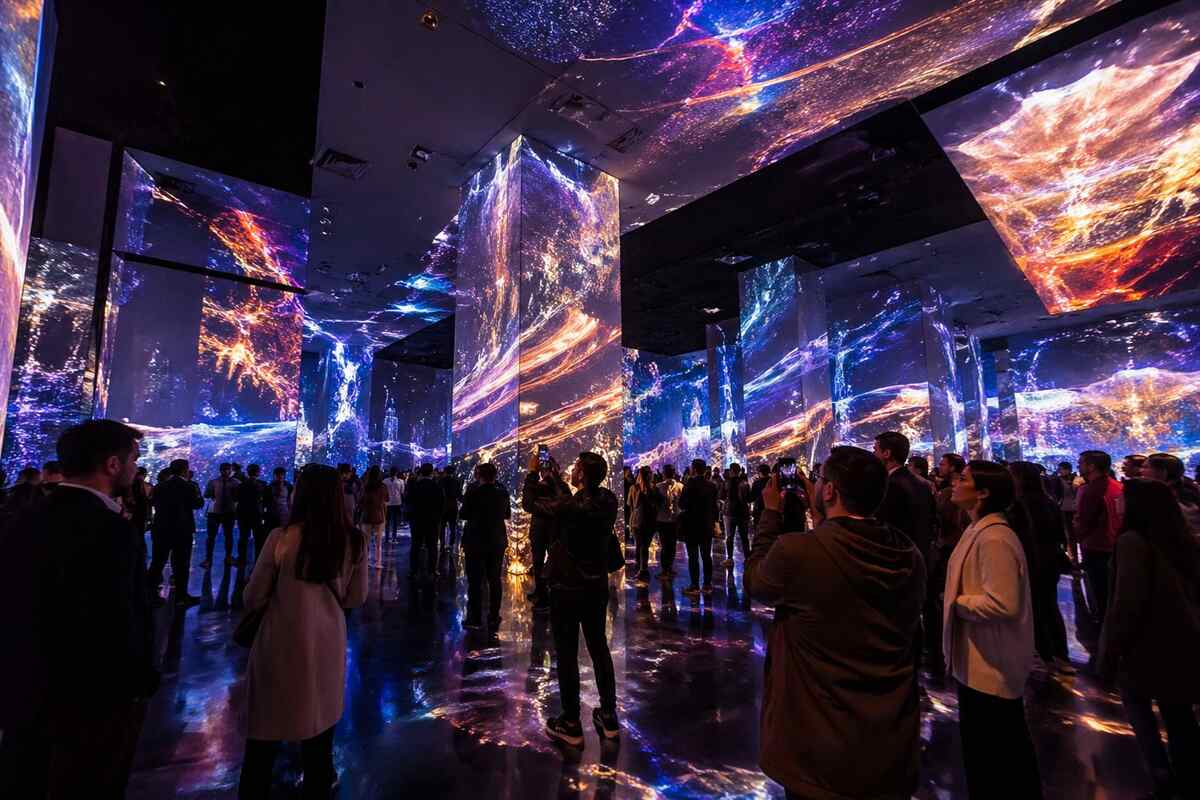
Most environments compete for attention. People check their phones. Conversations drift. Focus is inconsistent. Projection mapping changes the baseline. When the environment itself becomes dynamic, attention is pulled naturally, which is why projection mapping significantly increases event engagement. People look up. They pause. They become aware of the space again. You don’t have to ask for engagement. The environment creates it.
2. It drives shareability in a way static setups never can
People don’t share what feels ordinary. They share what feels different. When guests experience something visually immersive, the instinct is immediate. Phones come out. Videos get recorded. Content gets posted. That turns a single event into an extended reach. Instead of one room of attendees, you get visibility across networks, audiences, and platforms without additional effort.
3. It strengthens brand recall
Most events are remembered in fragments. A conversation. A moment. A general feeling. Projection mapping creates visual anchors. When people associate a brand with a specific immersive moment, recall becomes stronger and more consistent. The experience doesn’t blur with others. It stands on its own. And in competitive markets, that distinction matters.
4. It increases perceived value of the space
This is one of the most overlooked advantages. The physical space doesn’t change. But how it is perceived does. A standard venue can feel high-end. A familiar environment can feel entirely new. That shift directly impacts how guests evaluate the experience.
For commercial real estate, hospitality, and branded environments, this ties directly to:
perceived quality
customer satisfaction
willingness to return
pricing power
Your audience already values environments that feel sophisticated and aligned with their brand identity. Projection mapping accelerates that perception instantly.
5. It supports long-term differentiation
Most spaces compete on similar features. Location. Design. Service. Very few compete on experience. Projection mapping introduces a layer that is difficult to replicate without intention and expertise. It becomes part of how the space is known, not just how it functions.
That matters over time. Because once expectations shift toward immersive environments, static spaces start to feel outdated faster than most businesses anticipate.
Where Projection Mapping Delivers the Most Value
Not every space needs projection mapping.
But in the right environment, the difference is immediate and hard to ignore.
The common thread across high-impact use cases is simple:
the experience itself influences perception, engagement, or revenue.
That’s where projection mapping becomes a strategic tool, not just a visual upgrade.
Commercial Real Estate: Turning Space into a Selling Tool
In commercial environments, first impressions carry weight.
Leasing events, property tours, and shared spaces are all moments where perception influences decision-making. A static lobby or showroom presents information. An Where
Where Projection Mapping Delivers the Most Value
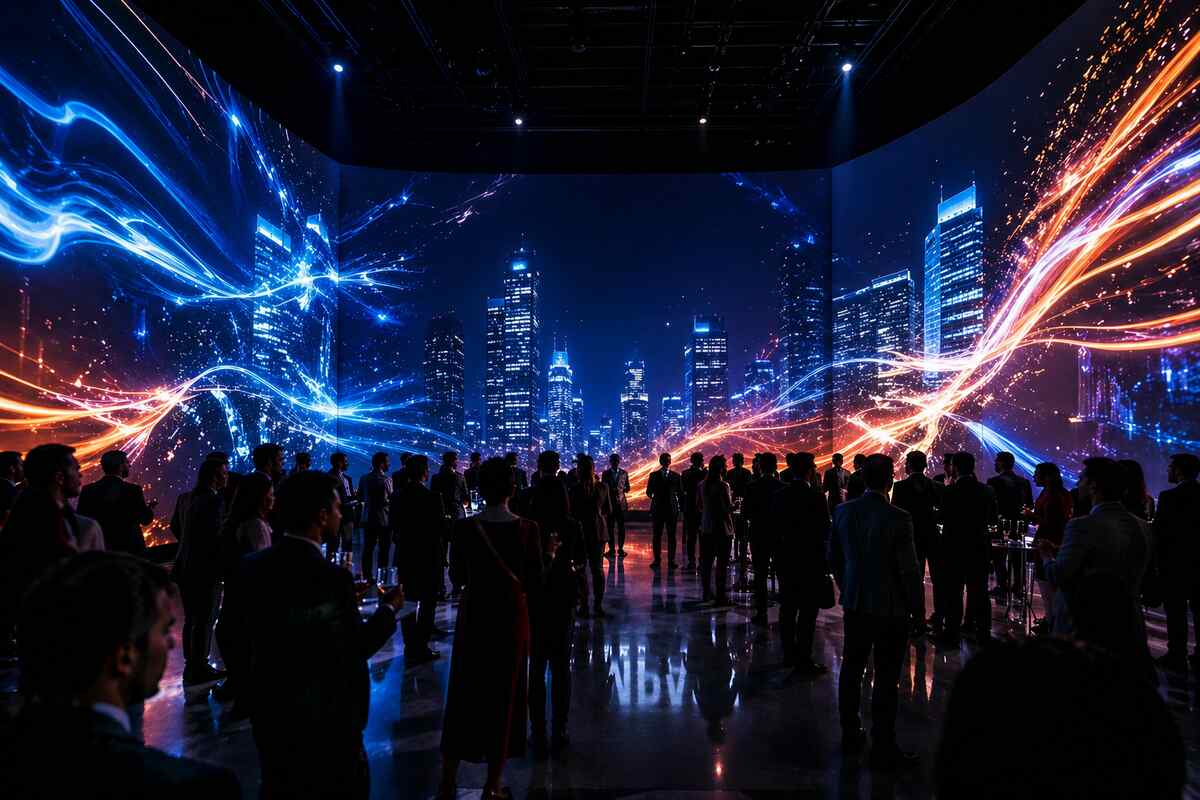
Not every space needs projection mapping. But in the right environment, the difference is immediate and hard to ignore. The common thread across high-impact use cases is simple: The experience itself influences perception, engagement, or revenue. That’s where projection mapping becomes a strategic tool, not just a visual upgrade.
Commercial Real Estate: Turning Space into a Selling Tool
In commercial environments, first impressions carry weight. Leasing events, property tours, and shared spaces are all moments where perception influences decision-making. A static lobby or showroom presents information. An immersive environment communicates value.
Projection mapping allows a space to:
highlight architectural features
showcase brand identity
create a sense of scale, innovation, and intent
Instead of telling prospects the property is premium, the environment shows it instantly.
Hospitality: Creating Experiences Guests Talk About
Hotels, restaurants, and event venues operate on experience. The challenge is that most environments look good, but few feel distinct. Projection mapping introduces a layer that transforms the ambiance in real time. A dining space can shift throughout the evening. A hotel lobby can evolve based on time, theme, or event. That creates moments guests remember and share.
And in hospitality, those moments directly influence:
reviews
repeat visits
word-of-mouth
Corporate Events & Brand Activations: Controlling the Narrative
Corporate environments often rely on presentations to communicate value. But attention is limited. Projection mapping changes how information is delivered. Instead of relying on a single screen, the entire environment reinforces the message.
Product launches feel more immersive. Brand activations feel intentional. Key moments are amplified without needing to force attention. The result is a more controlled and cohesive experience.
Retail: Turning Foot Traffic into Engagement
Retail spaces compete for attention before anything else. Projection mapping gives stores the ability to transform window displays into dynamic experiences, create in-store moments that draw people deeper into the space, and reinforce brand identity visually without relying on static signage. It doesn’t just attract attention. It holds it long enough to create interaction.
Public & Experiential Spaces: Extending Dwell Time
Museums, galleries, and public environments benefit from one key metric: how long people stay engaged. Projection mapping adds movement and interactivity that keeps people present longer. It encourages exploration and creates layers within the experience.
And the longer people stay, the deeper the connection becomes. Across all of these environments, the goal is the same. Not just to present a space, but to shape how that space is experienced.
Your audience already values environments that feel elevated, seamless, and aligned with their brand identity. They want spaces that impress, function effortlessly, and stand apart from competitors. Projection mapping becomes one of the most effective ways to deliver that outcome.
Common Mistakes That Kill the Impact
Projection mapping has the potential to transform an experience.
But when it’s done poorly, it does the opposite.
Instead of elevating the space, it creates confusion, distraction, or worse, something that feels forced. The technology is powerful, but without the right strategy behind it, the result falls flat.
These are the mistakes that separate a forgettable setup from one that actually works.
1. Treating it as decoration instead of strategy
This is the most common mistake.
Projection mapping gets added late in the process as a visual layer. Something to “enhance” the space after everything else is decided.
Common Mistakes That Kill the Impact
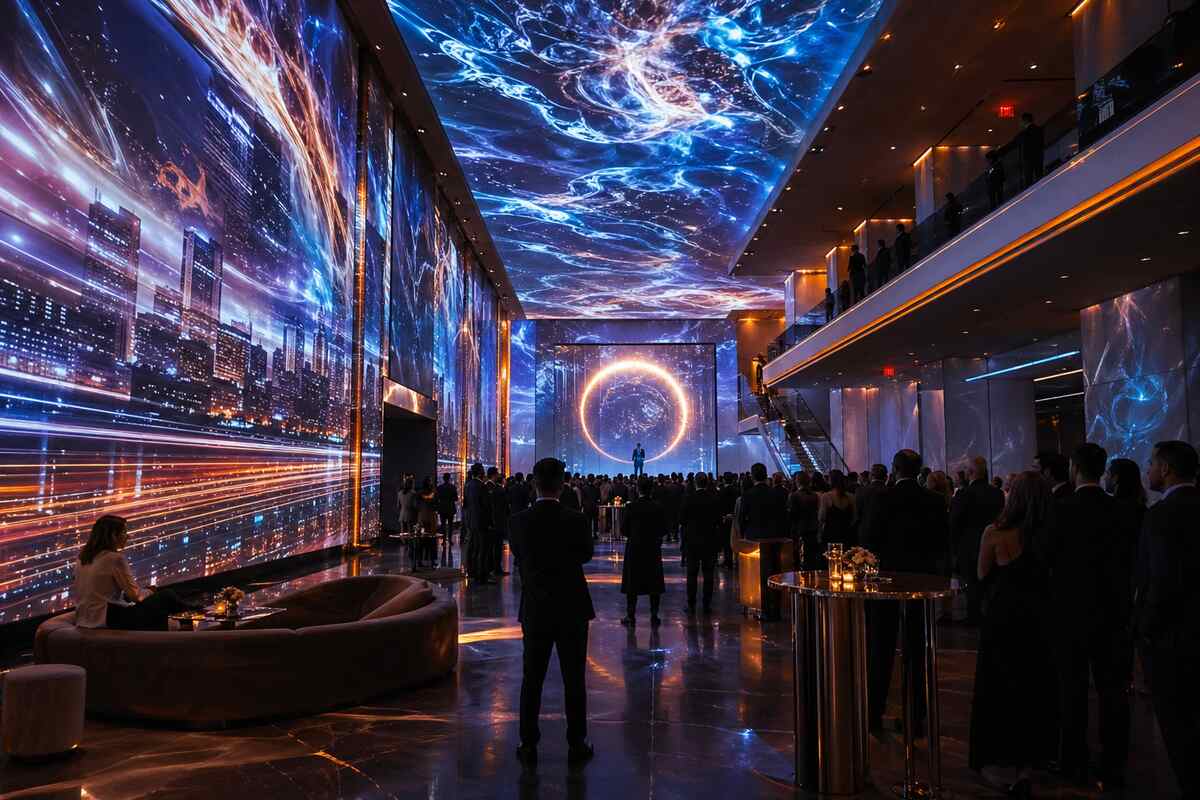
Projection mapping has the potential to transform an experience. But when it’s done poorly, it does the opposite. Instead of elevating the space, it creates confusion, distraction, or worse, something that feels forced. The technology is powerful, but without the right strategy behind it, the result falls flat. These are the mistakes that separate a forgettable setup from one that actually works.
1. Treating it as decoration instead of a strategy
This is the most common mistake. Projection mapping gets added late in the process as a visual layer. Something to “enhance” the space after everything else is decided. That approach limits its impact immediately. When it’s not tied to a clear objective, whether that’s guiding attention, reinforcing a brand, or shaping a moment, it becomes noise instead of meaning. The difference is simple: Decoration fills space. Strategy shapes experience.
2. Poor integration with the environment
Projection mapping should feel like it belongs. When visuals ignore the architecture, scale, or flow of the space, the experience feels disconnected. Guests notice the technology instead of feeling the environment. High-impact execution aligns visuals with:
the structure of the space
the movement of people
the purpose of the event
That’s what creates immersion. This is where design-led integration matters. When systems are planned together, lighting, audio, and visuals work as one cohesive experience instead of competing elements
3. Overcomplicating the visuals
More movement doesn’t mean more impact. Overloaded visuals create fatigue. Instead of drawing attention, they overwhelm it. The audience doesn’t know where to look, so they disengage. Strong projection mapping is intentional.
It uses contrast, pacing, and restraint to guide focus. It gives the audience space to absorb what they’re seeing instead of flooding them with constant motion. Clarity beats complexity every time.
4. Ignoring the audience journey
Most projection mapping setups focus on isolated moments. A wall here. A feature there. But the experience isn’t defined by a single moment. It’s defined by progression.
What happens when guests enter?
Where does their attention go next?
How does the environment evolve over time?
Without that flow, the experience feels fragmented. When it’s planned correctly, projection mapping supports a journey. It builds anticipation, creates transitions, and reinforces key moments in sequence.
5. Using disconnected or inconsistent systems
This is where execution often breaks down. Different AV components operating separately lead to delays, mismatched timing, and inconsistent quality. Even small gaps in synchronization are noticeable.
The experience feels unreliable. A seamless environment requires unified control. When projection mapping is integrated with lighting, audio, and automation, everything moves together. Transitions are smooth. Timing is precise. The experience feels intentional from start to finish.
That level of consistency is what turns technology into something invisible and impact into something memorable. Most of these mistakes don’t come from a lack of budget. They come from a lack of alignment.
When projection mapping is treated as a standalone feature, it struggles to deliver results. When it’s part of a larger, integrated strategy, it becomes one of the most effective tools for shaping perception and experience.
How Projection Mapping Fits Into a Larger AV Strategy
Projection mapping on its own can create a moment. Integrated into a larger AV system, it creates an experience. That distinction is where most businesses either unlock full value or fall short.
Because no matter how impressive the visuals are, if they operate in isolation, the experience feels incomplete. There’s a disconnect between what people see, what they hear, and how the space responds. And people notice that, even if they can’t explain why.
From Individual Components to a Unified Experience
Most event environments are built in layers.
Screens are handled separately
Lighting is programmed independently
Audio runs on its own system
Each piece works, but they don’t work together. Projection mapping changes how the visual layer behaves. But without integration, it still sits alongside disconnected systems.
A unified AV strategy aligns everything:
visuals
lighting
sound
control systems
So instead of multiple systems running in parallel, you get a single, coordinated experience.
Synchronized Environments Create Stronger Impact
Timing is everything in immersive environments. A visual shift that aligns with lighting changes and audio cues creates a moment. The same visual, without synchronization, feels random.
When systems are integrated:
transitions feel intentional
key moments land with precision
the environment responds as one
That level of coordination is what turns a space from “technically impressive” into something that feels seamless. And seamless is what people remember.
Control Is What Makes Complexity Feel Simple
Behind every high-end experience is complexity. Multiple systems. Multiple inputs. Multiple layers of control. But the experience should never feel complex to the user. This is where centralized control changes everything.
With the right system in place:
environments can shift with a single command
staff don’t need technical expertise to operate the space
experiences remain consistent across events and locations
That directly solves one of the biggest frustrations your audience faces: technology that is difficult to manage or unreliable in real-world use
Design-Led Integration vs Afterthought Installation
There are two ways projection mapping gets implemented. The first is as an add-on. It’s introduced late, layered on top of existing systems, and forced to fit within limitations. It may look impressive in moments, but it rarely feels cohesive. The second is through design-led integration.
Here, projection mapping is considered from the beginning. It’s aligned with:
the architecture of the space
the lighting plan
the audio environment
the intended user experience
This approach ensures everything works together from day one. It’s also where the biggest difference in outcome appears. Because when technology is designed as part of the space, not added into it, the result feels natural, not engineered.
That’s the foundation of seamless, experience-driven environments and why end-to-end integration consistently delivers stronger results
Scalability Across Spaces and Experiences
For multi-location businesses or evolving environments, consistency matters. A one-off setup can create a strong moment. But a scalable system creates long-term value.
When projection mapping is integrated into a broader AV strategy:
experiences can be replicated across locations
environments can be updated without rebuilding from scratch
brand consistency is maintained across different spaces
This is especially important for:
commercial real estate portfolios
hospitality groups
corporate environments with multiple locations
The experience becomes part of the brand, not just a one-time execution. Projection mapping delivers impact on its own. But when it’s part of a unified AV strategy, it delivers consistency, control, and scalability. That’s what turns a single memorable event into a repeatable standard.
Designed to Be Remembered
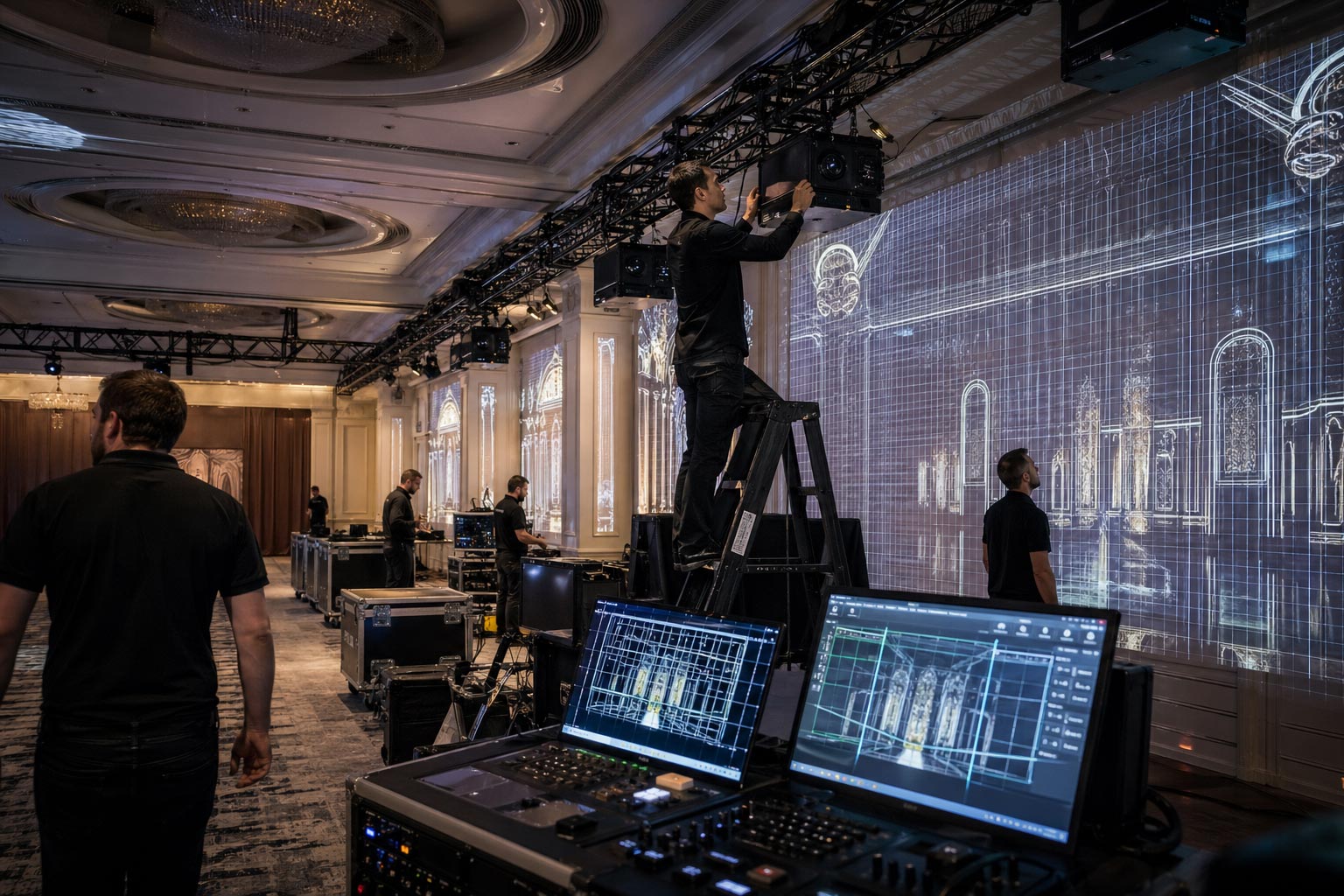
At Sphere Audio Video, we believe an event should do more than run smoothly. It should leave a lasting impression. Projection mapping is one of the most powerful ways to achieve that, but only when it’s executed as part of a larger, intentional experience. That’s why we approach every event from a full production perspective. We design, engineer, and deliver environments where visuals, lighting, and audio work together seamlessly, not as separate elements, but as one cohesive system.
From initial concept through final execution, our team ensures every detail supports the experience you want your audience to feel and remember. The result is not just a well-produced event, but a space that reflects your brand, captures attention, and stands apart.
If you’re ready to create an event that people don’t just attend, but remember, we’re here to help. Call Sphere Audio Video at (205) 777-5626 to start planning your next experience.