
How Smart Lighting Systems Improve Comfort and Efficiency
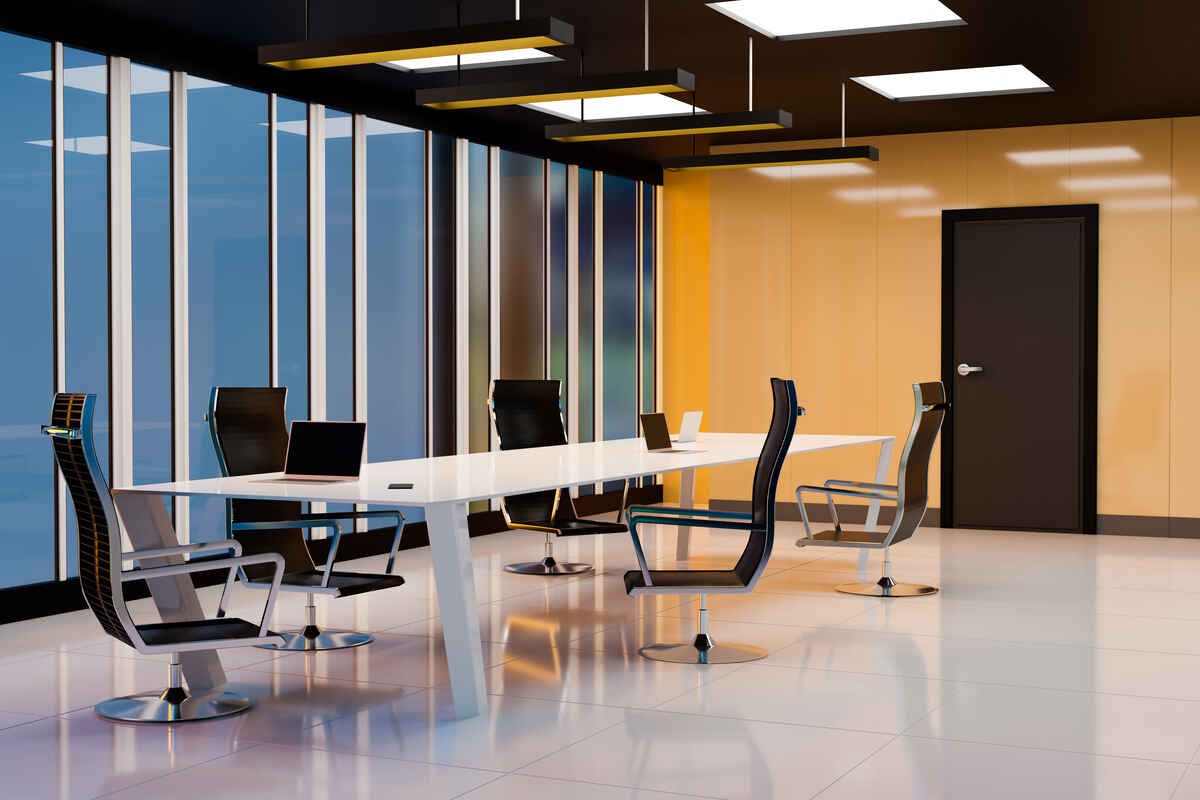
A conference room stays fully lit long after the last meeting ends. Employees spend hours under harsh, static lighting that never adjusts as daylight changes. In restaurants, hotels, offices, and retail spaces, these small inefficiencies can quietly affect comfort, atmosphere, and operating costs. Smart lighting systems solve that problem by giving commercial spaces more responsive, intelligent control over how and when light is used.
Instead of relying on fixed schedules or manual switches, smart lighting systems can respond to occupancy, natural daylight, time of day, and the way each space is being used. A busy lobby can stay bright and welcoming during peak hours, while an empty meeting room can dim or switch off automatically. The result is a space that feels more intentional while using less energy where full lighting is unnecessary.
For business owners and commercial property managers, that balance matters. Lighting shapes how people experience a space, but it also contributes to ongoing energy use and day-to-day operational demands. When lighting is designed to adapt instead of remain static, it can support a more comfortable environment, reduce waste, and make the space easier for staff to manage.
The real value of smart lighting is not simply automation. It is the ability to deliver the right light, in the right place, at the right time, without requiring constant attention from the people using the building.

What Is a Smart Lighting System?
A smart lighting system is a connected lighting setup that uses controls, sensors, automation, and software to manage when lights turn on, how bright they are, and how they respond to changing conditions. In a commercial environment, that can mean automatically adjusting lighting based on occupancy, available daylight, business hours, or the activity taking place in a room.
Traditional lighting often depends on someone remembering to flip a switch or adjust a dimmer. Smart lighting takes a more responsive approach. Occupancy sensors can turn lights down when a meeting room becomes empty, while daylight sensors can reduce artificial lighting near windows when sunlight already provides enough illumination.
A commercial smart lighting system may include:
Dimming controls that adjust light levels rather than limiting users to simply on or off.
Occupancy and vacancy sensors that respond to whether people are using a space.
Daylight sensors that adjust electric lighting as natural light changes.
Automated schedules that coordinate lighting with business hours and building use.
Lighting zones that allow different areas to operate independently.
Scene presets that create predetermined lighting conditions for meetings, presentations, dining, events, or other activities.
Centralized controls that allow staff to manage multiple areas through an intuitive interface.
Building integrations that allow lighting to work alongside systems such as motorized shades, AV, HVAC, security, and room automation.
The important distinction is intelligence and coordination. A programmable timer can switch lights off at 8 p.m., but it does not necessarily know whether a room is occupied or whether daylight has already reduced the need for artificial light. An intelligent lighting control system can use those conditions to make more appropriate adjustments.
This becomes especially valuable in commercial spaces where lighting needs can change throughout the day. A corporate conference room, hotel lobby, restaurant dining area, and retail floor each serve different purposes. Even within one space, the ideal lighting at 9 a.m. may be very different from what people need at 4 p.m. or during an evening event.
When these controls work together, lighting becomes less dependent on constant human intervention. The system can respond to the space itself, creating the foundation for two of its most important benefits: greater comfort for the people inside and more efficient use of energy.

How Do Smart Lighting Systems Improve Comfort?
Comfort depends on more than having enough light. The right lighting should support the activity taking place, respond to changing conditions, and create an environment that feels natural to the people using it. Smart lighting systems make that possible by adjusting brightness, scenes, and controls throughout the day.
Lighting That Adapts to How a Space Is Used
Commercial spaces often serve different purposes throughout the day. A conference room may need bright lighting for collaboration and softer lighting for a presentation, while a restaurant may shift from daytime brightness to a warmer evening setting.
Smart lighting scenes and automated controls make those transitions more consistent without requiring staff to manually reset the space each time.
Better Visual Comfort Throughout the Day
Daylight changes constantly, but traditional lighting often stays fixed. That can create glare, uneven brightness, or spaces that feel overlit.
Daylight-responsive controls and dimming help balance electric lighting with available natural light. This creates more comfortable conditions while avoiding unnecessary light output.
Supporting Focus in Work Environments
Different work activities need different lighting conditions. Task areas may require stronger illumination, while presentation or collaboration spaces may benefit from lower or more flexible light levels.
Lighting zones and preset scenes allow businesses to match lighting more closely to the way each area is used, helping reduce avoidable visual discomfort.
Creating the Right Mood and Atmosphere
Lighting also shapes how customers experience a commercial space. In restaurants, hotels, retail environments, and reception areas, the wrong lighting can quickly make an otherwise refined space feel flat or uncomfortable.
Smart lighting allows businesses to create consistent scenes for different times of day, events, and customer experiences while supporting the atmosphere they want their brand to convey.
Giving People Control Without Adding Complexity
More control only helps when it is simple to use. Smart lighting systems can automate routine changes while giving staff access to intuitive presets and centralized controls when adjustments are needed.
The result is lighting that feels responsive without becoming another complicated system employees have to manage. This supports our broader focus on seamless, intuitive technology for commercial environments.

How Do Smart Lighting Systems Improve Energy Efficiency?
Smart lighting systems improve energy efficiency by reducing the amount of light used when full illumination is unnecessary. Instead of depending on employees to manage every switch, commercial lighting controls can respond automatically to occupancy, daylight, schedules, and individual zones.
Occupancy Sensors Reduce Unnecessary Lighting
Occupancy sensors help prevent lights from staying on in empty spaces. In conference rooms, restrooms, storage areas, and other intermittently used spaces, lighting can dim or switch off when no one is present.
This reduces waste without requiring staff to remember every light throughout the building.
Daylight Harvesting Uses Natural Light More Effectively
Daylight harvesting adjusts electric lighting according to the natural light available in a space. Fixtures near windows can dim when sunlight provides enough illumination and increase again as daylight fades.
This helps businesses use natural light more effectively while maintaining comfortable lighting conditions.
Scheduling Prevents Lights From Running Longer Than Needed
Automated schedules allow lighting to follow business hours and normal building activity. Offices can reduce lighting after employees leave, while restaurants, hotels, and retail spaces can create schedules around opening, closing, cleaning, and after-hours periods.
Scheduling can also work with occupancy sensors when actual building use changes from the normal routine.
Dimming Reduces Energy Use Without Sacrificing Function
Many spaces do not need lights operating at maximum brightness all day. Smart dimming allows light levels to match the activity, time of day, or available daylight.
The goal is not simply to make a space darker. It is to provide the amount of light people need without using more energy than necessary.
Lighting Zones Give Businesses More Precise Control
Lighting zones allow different areas of a property to operate independently. A business can keep active customer or work areas appropriately illuminated while reducing lighting in unused rooms, storage areas, or low-traffic spaces.
By combining occupancy sensors, daylight harvesting, schedules, dimming, and zoning, smart lighting gives businesses more precise control over energy use while maintaining the comfort and functionality of the space. These capabilities are also central to our commercial lighting control solutions.

Comfort and Efficiency Work Better Together
Comfort and energy efficiency can sound like competing priorities. One focuses on creating a better experience for people, while the other focuses on reducing unnecessary consumption. With smart lighting systems, the same adjustment can often support both goals at once.
Consider an office with large windows. On a bright afternoon, daylight may provide much of the illumination employees need. A smart lighting system can automatically dim nearby fixtures instead of continuing to run them at full output. That adjustment reduces unnecessary energy use while helping prevent an overly bright environment.
The same principle applies to occupancy. When employees leave a conference room, sensors can dim or switch off the lights rather than illuminating an empty space. Staff no longer have to remember to make the adjustment, and the business avoids paying for lighting that serves no one.
Scene-based controls create another connection between comfort and efficiency. A presentation does not require the same lighting as a collaborative meeting. A restaurant during afternoon service may need different illumination than it does during dinner. By matching light levels to the activity taking place, businesses can create a more appropriate atmosphere without defaulting to maximum output.
This changes the way commercial property owners can think about lighting efficiency. The goal is not simply to use less light. It is to use light more intelligently.
That distinction matters because aggressive energy-saving measures can create their own problems when they ignore the people inside the building. Automatically switching lights off while someone is still working or reducing illumination below useful levels may conserve electricity, but it creates frustration and encourages people to override the controls.
A well-designed commercial smart lighting system balances automation with human needs. Sensors, schedules, dimming, daylight harvesting, and lighting zones work together so the system can reduce waste while maintaining appropriate conditions for the people using the space.
For a business owner, that means efficiency does not have to come at the expense of experience. The same intelligent controls that reduce unnecessary lighting can help create an environment that feels more comfortable, responsive, and effortless to manage.
For commercial buildings, the broader benefits of smart lighting can include greater energy efficiency, improved occupant comfort, and more responsive control.

What Role Does Human-Centric Lighting Play?
Human-centric lighting focuses on creating lighting conditions around the people using a space. Instead of keeping every area at the same brightness throughout the day, smart lighting systems can adapt to different activities, changing daylight, and the purpose of each commercial environment.
Different Activities Need Different Lighting Conditions
A workspace, conference room, restaurant, and hotel lobby serve very different purposes. Smart lighting allows each area to use lighting scenes and brightness levels suited to the activity taking place.
For example, a conference room can use brighter lighting for collaboration and a lower-light scene during a presentation. This gives people appropriate lighting without requiring staff to manually recreate each setting.
Lighting Can Respond as Daylight Changes
Natural light changes throughout the day, while traditional lighting often remains at the same output. This can leave areas near windows excessively bright while wasting electricity.
Daylight-responsive controls can automatically adjust electric lighting as sunlight increases or fades. The result is more balanced visual comfort and less unnecessary energy use.
Each Commercial Environment Has Different Priorities
Human-centric lighting should reflect how people experience a particular space. Offices may prioritize visual comfort and focus, while restaurants and hotels often use lighting to support atmosphere and the guest experience. Retail spaces may need different lighting for merchandise, customer pathways, and service areas.
The goal is not automation for its own sake. A well-designed system uses intelligent controls to make lighting feel appropriate for the people, activities, and environment while keeping operation simple for staff.

How Smart Lighting Simplifies Business Operations
Lighting should support daily operations, not create another task for employees to manage. Yet in many commercial spaces, staff still spend time adjusting individual switches, changing dimmers, or correcting lighting settings as rooms shift between different uses.
Smart lighting systems can simplify this process by combining automation with intuitive control. Routine adjustments happen automatically, while employees retain control when a space needs something different.
Centralized Lighting Control
Centralized control allows businesses to manage multiple lighting zones from a unified interface rather than relying on separate controls throughout the property.
For a hotel, restaurant, office, or retail environment, this can make daily operation more consistent. Staff can manage customer areas, meeting spaces, work zones, and other lighting environments without navigating a complicated collection of switches and controls.
Automated Scenes and Presets
Lighting scenes allow frequently used settings to be programmed in advance. Instead of adjusting several fixtures every time a room changes purpose, employees can activate a preset designed for that activity.
A commercial property might use scenes such as:
Opening and closing
Meetings and presentations
Dining or evening service
Events
Cleaning
After-hours operation
These presets help create consistent lighting while reducing repetitive manual adjustments.
Consistency Across Multiple Spaces
Consistency becomes especially important when a business has several rooms, departments, floors, or locations. If every space operates differently, employees must learn multiple systems and may struggle to maintain the intended environment.
Standardized lighting controls can create a more predictable experience across commercial spaces. When lighting also integrates with AV and broader room automation, businesses can coordinate multiple technologies through a more cohesive system rather than managing each one separately. This approach aligns with our focus on integrated room systems that combine AV, lighting, control, and automation to create consistent user experiences.
The result is less friction for staff and greater control over how the property operates throughout the day.

How Smart Lighting Supports Sustainability Goals
For commercial properties, sustainability often starts with reducing waste in everyday operations. Lighting is a practical place to make that change because smart lighting systems can reduce unnecessary electricity use without compromising comfort, safety, or the experience of the space.
Reducing Unnecessary Energy Consumption
Occupancy sensors, automated schedules, and dimming controls help ensure lights operate when and where they are needed. Instead of illuminating an empty meeting room or unused section of a building at full brightness, the system can automatically reduce or turn off lighting.
Making Better Use of Natural Daylight
Daylight harvesting allows commercial buildings to use available sunlight more effectively. When natural light provides sufficient illumination, smart controls can dim nearby electric lighting and increase it again as daylight fades.
This reduces energy waste while helping maintain comfortable lighting conditions throughout the day.
Adapting as the Building Changes
Commercial spaces rarely remain unchanged. Business hours shift, tenants change, rooms take on new purposes, and occupancy patterns evolve.
Programmable lighting zones, scenes, and schedules can adapt to these changes without requiring the entire lighting strategy to remain fixed. This flexibility supports a more efficient, future-ready approach to building operations.
For us, this connection between intelligent technology and responsible energy use reflects a broader commitment to integrating energy-efficient solutions that support long-term growth. Smart lighting supports that goal by helping businesses use electricity more intentionally while maintaining the comfort and functionality people expect.

What Should You Consider Before Installing a Smart Lighting System?
The right smart lighting system starts with understanding how your building actually operates. Before choosing controls, sensors, or automation features, consider where lighting creates friction today and what you want the system to improve.
How Is Each Space Used?
Start with the activities taking place throughout the property. A conference room, restaurant dining area, hotel lobby, private office, and retail floor all have different lighting requirements.
Consider when each space is occupied, how lighting needs change throughout the day, and whether different activities require dedicated scenes or brightness levels.
Where Is Energy Being Wasted?
Look for areas where lights regularly remain on when spaces are empty or operate at full output despite available daylight. These patterns can help identify where occupancy sensors, scheduling, dimming, daylight harvesting, or zoning may provide the most value.
How Simple Will the System Be for Staff?
Advanced technology loses value when employees struggle to operate it. Controls should feel intuitive for the people who use the building every day.
Routine lighting changes can be automated or assigned to presets, while staff should still have straightforward control when they need to make an adjustment. This is especially important for business owners who want integrated technology that employees can manage without relying on constant IT support.
Should Lighting Integrate With Other Building Systems?
Consider whether lighting should operate independently or work alongside AV, motorized shades, HVAC, room scheduling, or other automation systems. our commercial solutions include integrating lighting and other building technologies into cohesive control environments.
Planning these connections early can create a more consistent experience than adding disconnected systems later.
Can the System Adapt to Future Needs?
Your lighting needs may change as floor plans, business hours, tenants, technology, or room functions evolve. Consider whether the system can accommodate new zones, scenes, controls, and integrations without requiring a complete redesign.
The goal is to choose a smart lighting system around the way your property operates today while leaving enough flexibility for how it may operate tomorrow.

How Smart Lighting Can Transform the Experience of a Commercial Space
The value of smart lighting becomes most visible in how a space feels and functions from one moment to the next. A commercial environment can shift from bright and productive during business hours to warm and welcoming for an evening event, without requiring staff to manually adjust multiple controls.
For hotels, restaurants, offices, and retail environments, this flexibility can influence several parts of the experience. Smart lighting can help businesses:
Create lighting scenes that complement different activities and times of day.
Reinforce the atmosphere and visual identity of customer-facing spaces.
Improve comfort with more appropriate light levels.
Reduce unnecessary energy use through automated control.
Simplify daily operation for employees.
Adapt lighting as business needs and space usage change.
These benefits become stronger when lighting is planned around the purpose of the space rather than treated as a collection of individual fixtures and switches. The goal is an environment where the technology feels intuitive while the lighting consistently supports the people inside it.
For more practical applications, explore our guide to 6 ways smart lighting systems can transform your business, including atmosphere, brand identity, energy efficiency, scene-based control, safety, and comfort.
Ultimately, smart lighting should do more than automate when lights turn on and off. It should help create a commercial environment that feels intentional, operates efficiently, and responds naturally as the needs of the space change.

The Future of Commercial Lighting Is More Responsive
Commercial lighting is becoming more responsive, intuitive, and connected to the way people actually use a space. Smart lighting systems can adjust to occupancy, daylight, schedules, and changing room functions, helping businesses create more comfortable environments while reducing unnecessary energy use.
At Sphere Audio Video, we design lighting and automation solutions around how your space needs to perform. Our goal is to make advanced technology feel seamless, simple to manage, and aligned with your long-term business needs.
If you have questions about smart lighting systems or concerns about your current lighting setup, contact Sphere Audio Video. We can help you evaluate your space and explore a lighting control solution that supports greater comfort, efficiency, and control.