
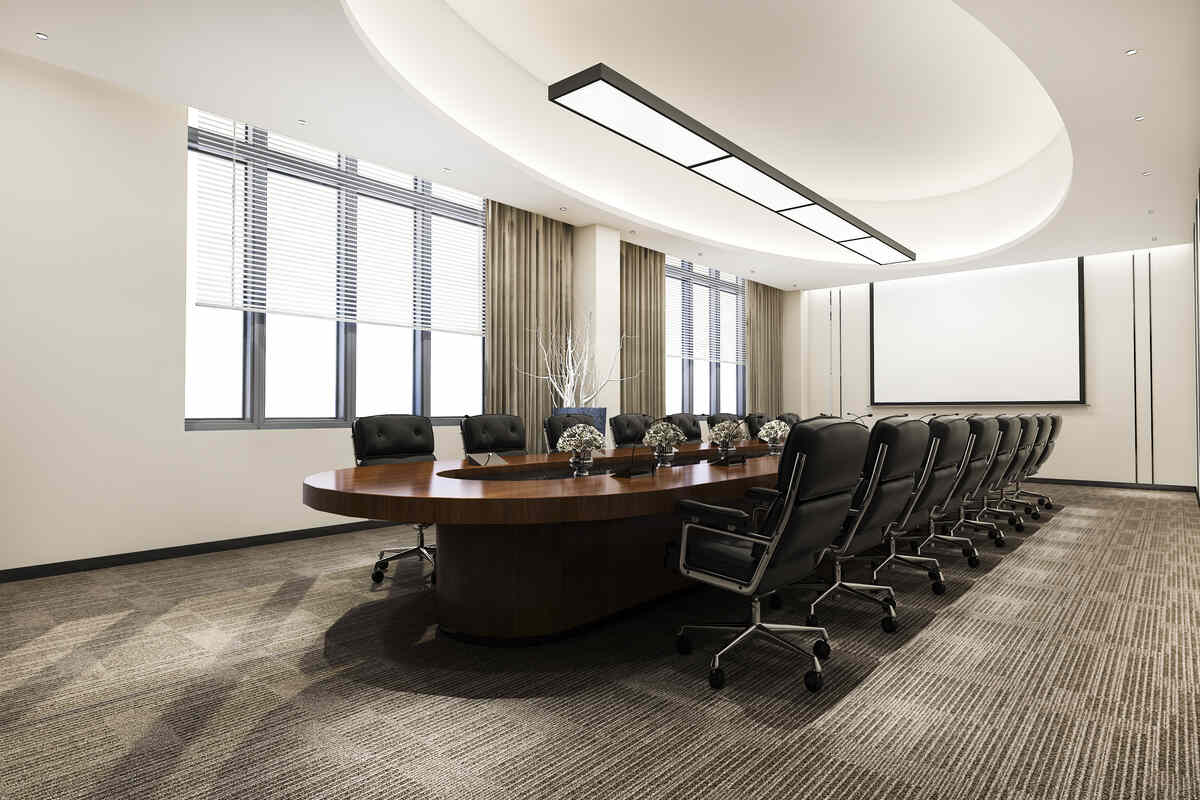
The Hidden Costs of Outdated Meeting Room Technology
A meeting room should make business feel effortless. The screen turns on. The audio is clear. The video call connects without a scramble. Everyone in the room, and everyone joining remotely, can focus on the conversation instead of the equipment.
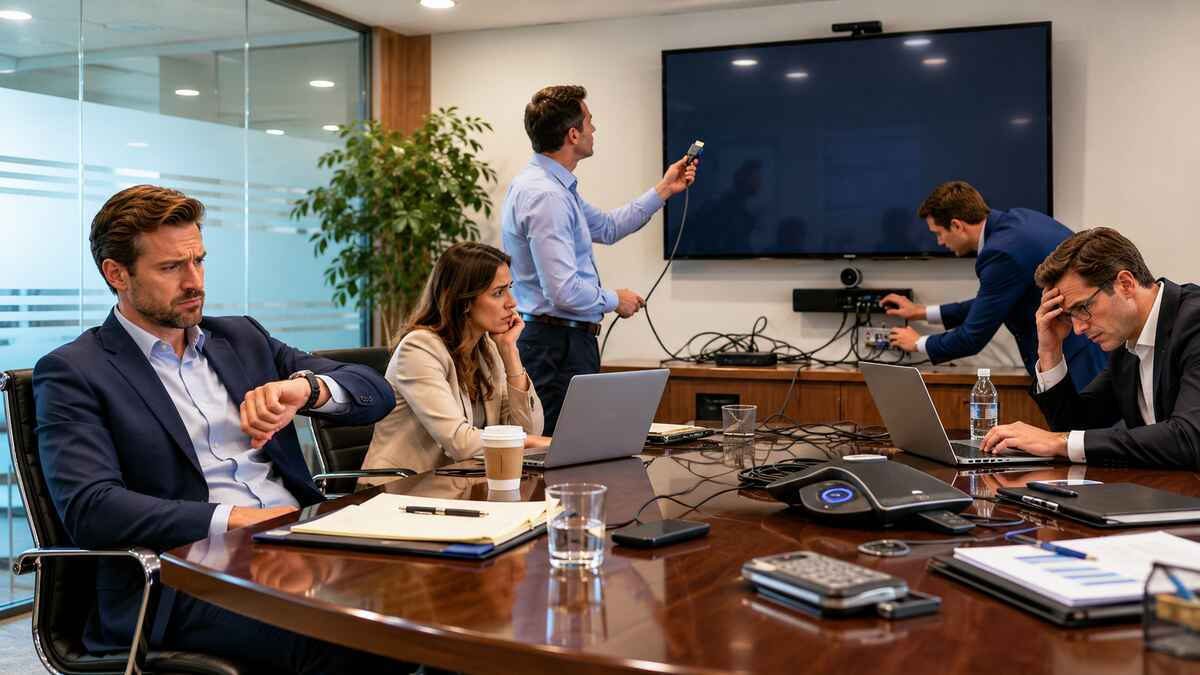
But when meeting room technology is outdated, every meeting starts with friction. Someone searches for the right remote. Another person calls IT. Remote participants say, “We can’t hear you.” The first five minutes disappear before the real discussion begins.
That delay may seem small. It is not.
Outdated meeting room technology creates hidden costs across productivity, client perception, staff confidence, and long-term maintenance. It does not just make meetings harder. It makes the business feel less polished, less prepared, and less aligned with the way modern teams work.
Modern meeting room technology brings AV, lighting, conferencing, networking, control, and automation into one reliable system. Sphere Audio Video defines room technology as integrated systems that combine AV, lighting, control, and automation for conference rooms, boardrooms, classrooms, hybrid workspaces, and collaboration environments.
The real question is no longer whether a business needs meeting room technology. The question is what outdated systems are already costing you.
Productivity Losses Add Up Faster Than Most Businesses Realize
Most organizations notice the visible technology problems. The projector takes too long to start. The video conference drops. The wireless presentation system fails to connect. What often goes unnoticed is the cumulative cost of these small interruptions.
Imagine a leadership team meeting with eight participants. If the group spends just five minutes troubleshooting technology before each meeting, and those meetings occur several times per week, dozens of productive hours can disappear over the course of a year. Multiply that across multiple departments, conference rooms, and office locations, and the cost becomes significant.
The challenge becomes even greater in hybrid work environments. Remote participants depend on clear audio, reliable video, and seamless content sharing to contribute effectively. When technology fails, collaboration suffers. Team members become disengaged, communication breaks down, and important decisions take longer to reach.
Our modern room technology is designed to simplify communication and collaboration by integrating conferencing, AV systems, control platforms, and room automation into a unified experience. When these systems work together, users spend less time managing technology and more time focusing on business outcomes.
This productivity gap creates a hidden operational expense. Businesses often focus on the upfront cost of upgrading technology while overlooking the ongoing cost of inefficiency. Over time, the lost productivity can exceed the investment required to modernize the room itself.
The most expensive meeting room technology is often the technology that appears to be working but quietly wastes valuable time every day.
Poor Audio and Video Create Communication Problems
A meeting can survive a slightly outdated display. It cannot survive poor audio.
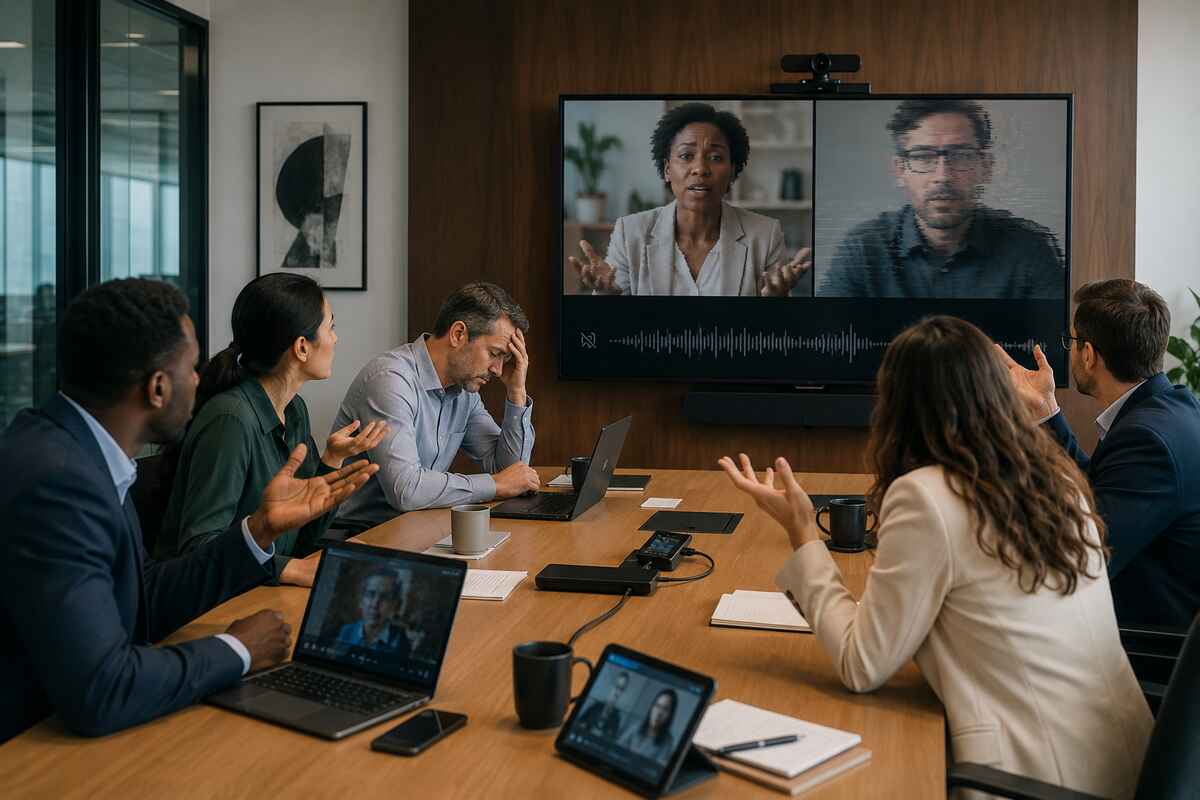
When people cannot hear clearly, they stop participating fully. They ask others to repeat themselves. They miss context. They leave the meeting with partial information, then spend more time clarifying decisions afterward. In a client-facing meeting, the damage is even sharper. Poor sound makes the room feel unprepared, no matter how polished the rest of the space looks.
Video quality matters for the same reason. In a hybrid meeting, the camera is the room. If remote participants see a dark table, a wide empty shot, or a grainy image of people sitting too far away, they are not fully in the conversation. They become observers instead of contributors.
This is where outdated meeting room AV systems quietly weaken business performance. The room may technically “work,” but it does not support the way people now communicate. Modern conference room technology needs to account for voice clarity, camera placement, display visibility, acoustic conditions, lighting, and remote collaboration tools as one connected experience.
For business owners, this connects directly to brand perception. We value environments that impress clients and guests, support easy staff operation, and reflect a premium brand identity. Poor audio and video work against that experience.
The best meeting room technology removes distance from the conversation. People in the room and people joining remotely should feel equally present, equally heard, and equally able to contribute.
Complicated Controls Create Staff Friction
A meeting room should not require a manual, a technician, or one specific employee who “knows how everything works.”
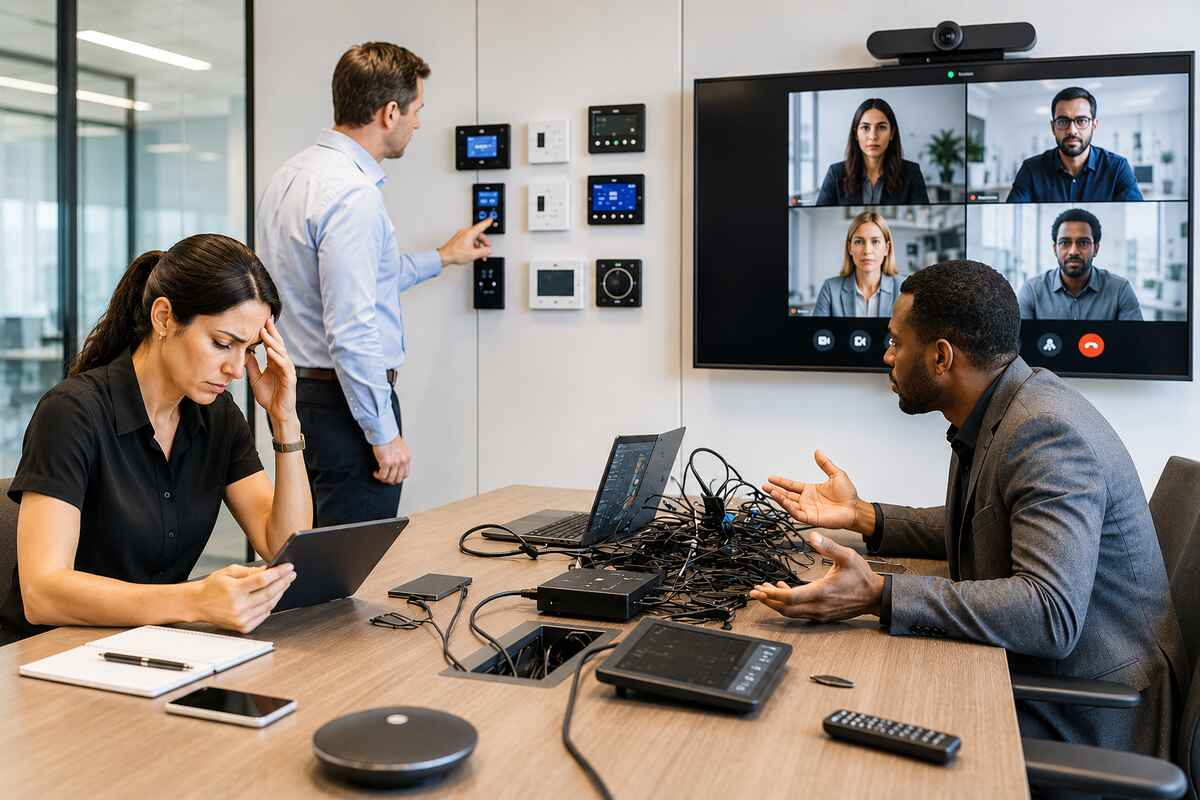
When controls are complicated, staff confidence drops. People avoid certain rooms. They schedule meetings in spaces that are easier to use, even if those rooms are smaller or less impressive. In client-facing environments, this creates quiet pressure before the meeting even begins.
The problem is rarely one device. It is usually the way the room is assembled. A display from one system, audio from another, lighting on a separate wall panel, and video conferencing controlled from a laptop create unnecessary complexity. Every extra step increases the chance of failure.
This matters for business owners because staff need technology they can operate without IT support. The Sphere Audio Video specifically identifies difficult-to-use technology as a core frustration, along with high maintenance costs and outdated environments that weaken the customer experience.
Modern meeting room automation solves this by making the room feel intuitive. One touch can prepare the space for a video call, adjust lighting, turn on displays, activate microphones, and set the right audio level. The experience becomes consistent from room to room.
The goal is simple: the room should respond to the meeting, not slow it down.
Outdated Rooms Weaken Client Confidence
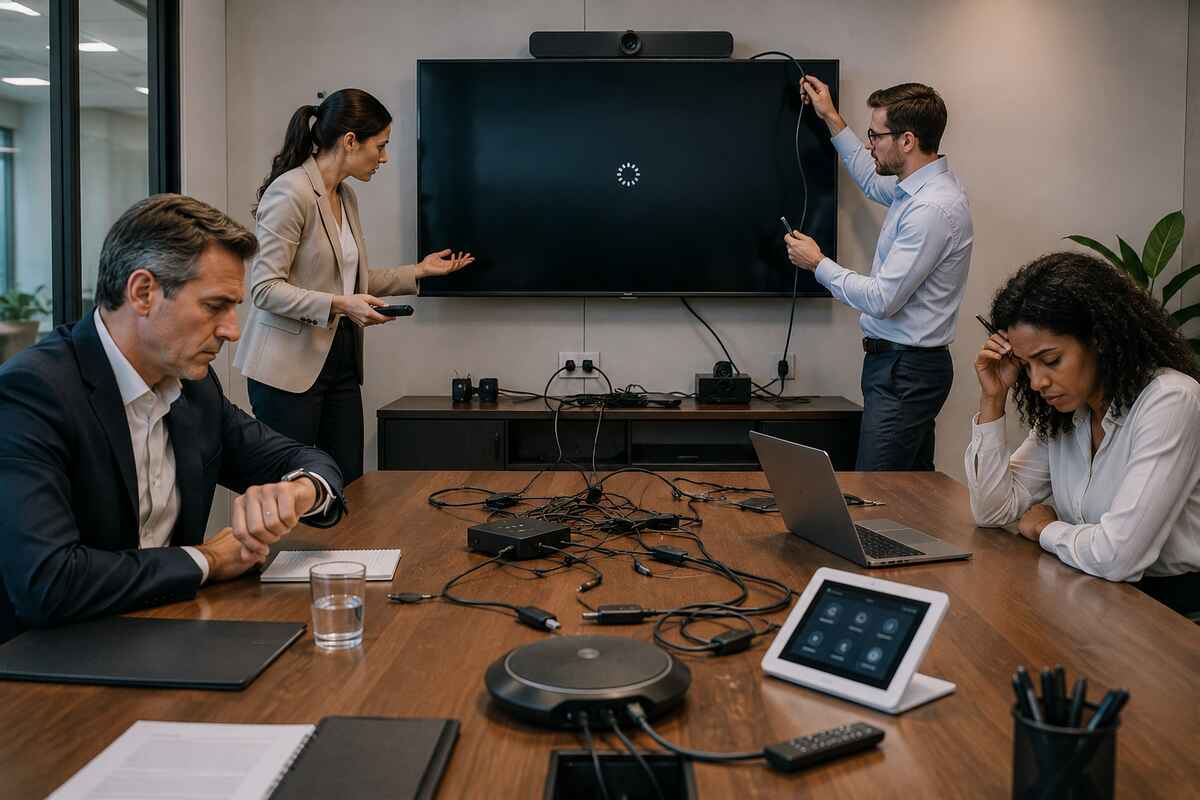
Your meeting room says something before anyone speaks. A polished room signals preparation. A cluttered room with unreliable technology signals risk. When a client walks into a boardroom and the screen will not connect, the audio cuts out, or the lighting feels harsh, the room starts working against the business.
This matters most in environments. Offices, hotels, retail showrooms, and executive spaces are judged by experience. The technology does not need to be flashy. It needs to feel seamless, intentional, and aligned with the brand.
For Sphere Audio Video, technology is tied directly to brand and experience enhancement. Their ideal environment is sophisticated, high-tech, easy to control, and designed to impress clients and guests.
Outdated meeting room technology creates the opposite effect. It makes a premium business feel behind. It creates hesitation. It invites the quiet question no owner wants a client to ask:
“If this is how their meeting room works, what else is outdated?”
Modern meeting room technology protects more than productivity. It protects perception.

Maintenance Costs Rise When Systems Are Not Integrated
Outdated meeting room technology often looks cheaper because the major equipment is already installed.
But older systems usually cost more in small, repeated ways.
A cable fails. A remote disappears. A display needs an adapter. A microphone stops working. A conferencing device no longer updates cleanly. Each issue may seem minor, but the business still pays for it through service calls, staff interruptions, replacement parts, and lost confidence in the room.
The deeper issue is fragmentation. When audio, video, lighting, control, and networking are treated as separate pieces, every problem becomes harder to diagnose. One vendor handles the display. Another handles networking. Someone else installed the conferencing system. No one owns the full experience.
Integrated room systems solve this by connecting the room into one cohesive ecosystem. Our room technology combines AV, lighting, control, and automation to simplify operation, improve reliability, and create consistent user experiences across meeting rooms, boardrooms, classrooms, and hybrid workspaces.
A modern room should be easier to maintain because it is easier to understand. The fewer disconnected parts you have, the fewer weak points your team has to manage.
Modern Meeting Room Technology Creates a Better User Experience
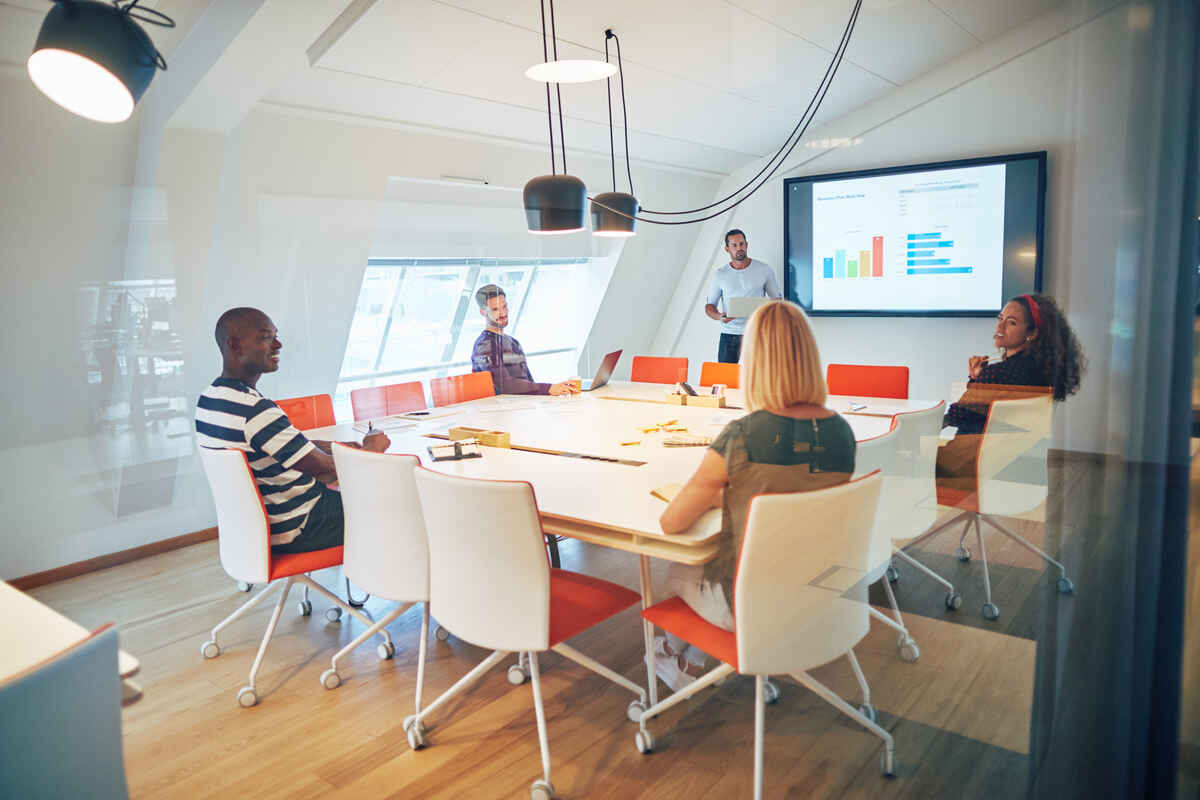
The best meeting room technology disappears into the room. People should not think about how to start the meeting. They should walk in, press one button, and begin. The screen wakes up. The camera frames the room. The microphones capture voices clearly. The lighting adjusts. The call launches without confusion.
That experience is what separates a modern conference room from a room filled with equipment.
A strong meeting room technology system should include:
Reliable video conferencing
High-fidelity audio
Clear displays
Intuitive control
Lighting automation
Strong network infrastructure
Simple content sharing
Consistent room presets
Scalable standards across rooms or locations
Our mission is to integrate advanced technology with personalized service, transforming spaces into intelligent environments that improve comfort, security, and efficiency.
In a meeting room, that means technology should support the conversation without drawing attention to itself. It should make the space feel prepared, premium, and easy to use.
When Is It Time to Upgrade Your Meeting Room Technology?
Many businesses delay upgrades because the existing system still works well enough. The display turns on. The microphones pick up sound. The video call eventually connects. Meetings still happen, so the room feels acceptable.
That is where the cost hides. Meeting room technology rarely becomes outdated overnight. It declines in small ways. A cable gets replaced with a temporary adapter. A camera no longer frames the room well. A microphone works in some seats but not others. Staff learn which rooms to avoid. Executives start bringing their own devices because they do not trust the installed system.
At first, these problems feel like minor inconveniences. Over time, they become part of the company’s operating rhythm. The business adapts to friction instead of removing it. If these signs are showing up in your space, it may be time to evaluate your meeting room technology.
Meetings Frequently Start Late
A modern meeting room should be ready before the first sentence is spoken.
If employees spend the first few minutes connecting laptops, changing inputs, adjusting audio, finding the right remote, or calling someone from IT, the room is costing the business time. One delayed meeting may not feel serious. Ten delayed meetings per week across multiple rooms becomes a measurable productivity problem.
The issue is not only the time lost. It is the tone it sets. A meeting that starts with troubleshooting begins with frustration. People enter the conversation distracted, impatient, or already behind.
Staff Avoid Certain Rooms
Employees quickly learn which rooms are reliable and which rooms are risky.
If one conference room is always booked while another sits empty, the problem may not be capacity. It may be trust. Staff choose the room where the screen connects, the audio sounds clear, and the call starts without guesswork.
Avoided rooms are a clear sign that the technology is shaping behavior. That means the business is not getting full value from its space.
Audio Complaints Are Common
Audio is the most important part of a meeting room experience.
If people regularly say, “Can you repeat that?” or “We can’t hear the people in the back,” the room is not supporting the conversation. Poor audio can come from aging microphones, weak speaker placement, untreated acoustics, background noise, or systems that were not designed for hybrid participation.
In a boardroom or client-facing space, this becomes a credibility issue. People may forgive a minor visual flaw. They rarely forgive a meeting where they cannot hear clearly.
Remote Participants Struggle to Engage
Hybrid meetings expose outdated room technology fast.
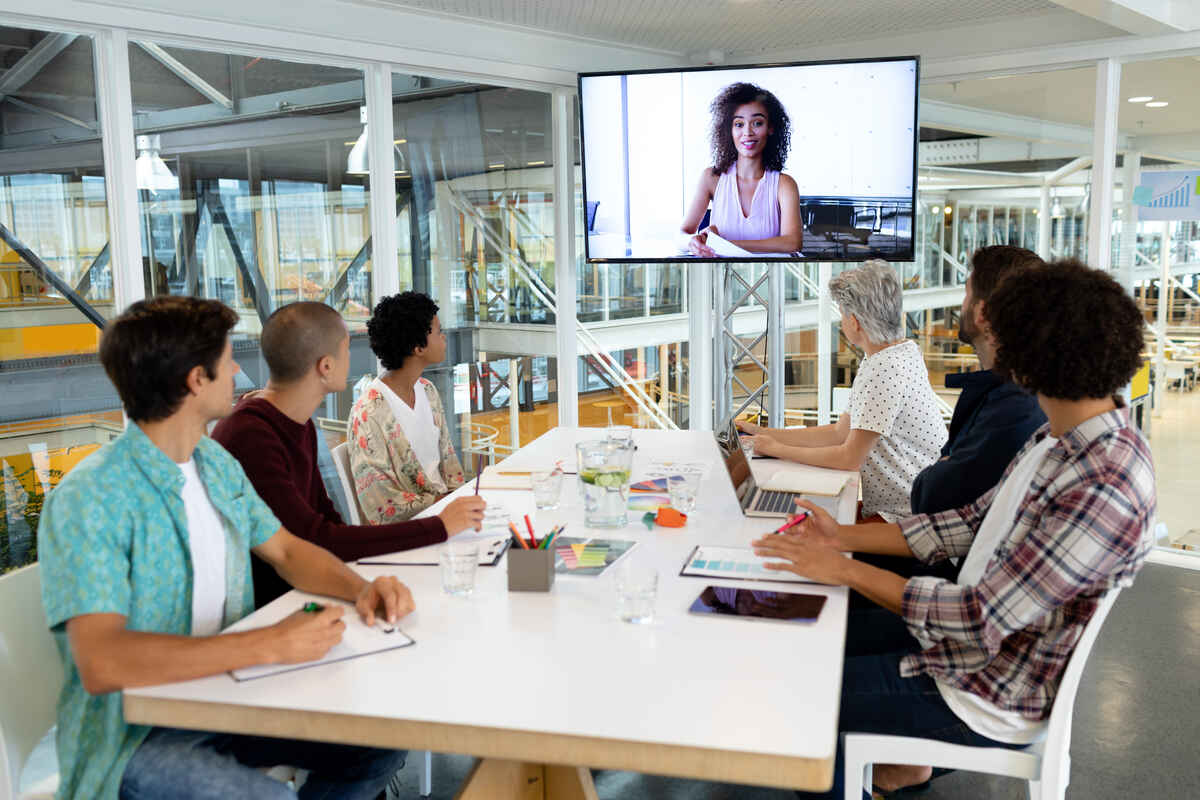
A system that worked for in-person meetings may fail when half the team joins remotely. The camera may show the whole room from too far away. The audio may favor one side of the table. Shared content may be hard to read. Remote participants may hesitate to speak because they feel disconnected from the room.
That creates an uneven meeting. People in the room have one experience. Remote participants have another.
Modern hybrid meeting room technology should make both groups feel present. Everyone should be able to hear, see, share, and contribute without fighting the system.
IT Receives Frequent Support Requests
IT should not have to rescue normal meetings. If your team regularly calls IT to start a video conference, fix audio, change display settings, or troubleshoot room controls, the system is too fragile. These requests pull technical staff away from higher-value work and create dependency across the organization.
A well-designed meeting room should be simple enough for everyday users. Staff should not need technical confidence to run a professional meeting.
Every Room Works Differently
Inconsistent rooms slow people down.
One room uses a wall panel. Another uses a remote. Another requires a laptop connection. Another only works with one conferencing platform. This inconsistency creates a learning curve every time someone enters a different room.
Standardized meeting room technology solves this by giving users the same basic experience across spaces. Once someone knows how to use one room, they can use the others with confidence.
Temporary Fixes Keep Piling Up
Adapters, extension cables, backup remotes, handwritten instructions, and “don’t unplug this” notes are warning signs.
They show that the room has outgrown its original design. Temporary fixes may solve one meeting, but they often create more complexity for the next one. The longer they remain, the harder the system becomes to manage.
A professional space should not depend on workarounds.
The Room No Longer Matches the Brand
Meeting rooms are part of the client experience.
A business can invest in premium interiors, strong service, and a polished brand, then lose that impression when the conference room feels dated or unreliable. This is especially important for corporate offices, hospitality spaces, and retail environments where experience shapes trust.
Our technology that reflects a premium brand identity, improves operational efficiency, and creates a sophisticated environment for clients and guests.
If the room feels behind the business, it is time to modernize.
The System Cannot Scale With the Business
A room that works for today may not support tomorrow. Growing teams may need more hybrid meetings, larger displays, better conferencing, room scheduling, centralized management, or consistent systems across multiple locations. If the current setup cannot expand without becoming more complicated, it may limit future operations.
The strongest meeting room technology is designed for reliability now and adaptability later.
Upgrading before a full failure gives the business more control. It allows you to plan the room around actual use cases, staff needs, client expectations, and future growth. Waiting until something breaks usually leads to rushed decisions and short-term fixes.
A meeting room should help people move faster, communicate clearly, and feel confident in the space. When it stops doing that, the cost is already there.

How Integrated Room Systems Create a Better Meeting Experience
A better meeting room is not built by adding more devices. It is built by making every part of the room work together. That is the difference between a room with equipment and an integrated room system. In a fragmented setup, the display, camera, microphones, speakers, lighting, shades, and conferencing platform all operate as separate pieces. Each one may work on its own, but the full experience still feels clunky.
An integrated room system connects those pieces into one cohesive environment. For the user, that means the room becomes simple. A team member walks in, selects the meeting type, and the space responds. The display turns on. The camera activates. The microphone system is ready. The lighting adjusts for visibility. The video conference launches through the right platform. The room feels prepared before the meeting begins.
For the business, that means fewer interruptions, fewer support requests, and a more consistent experience across every meeting space.
This is especially valuable for companies with multiple rooms. A small huddle room, executive boardroom, training room, and client presentation space may all serve different purposes, but the user experience should still feel familiar. Staff should not have to relearn the technology every time they enter a new space.
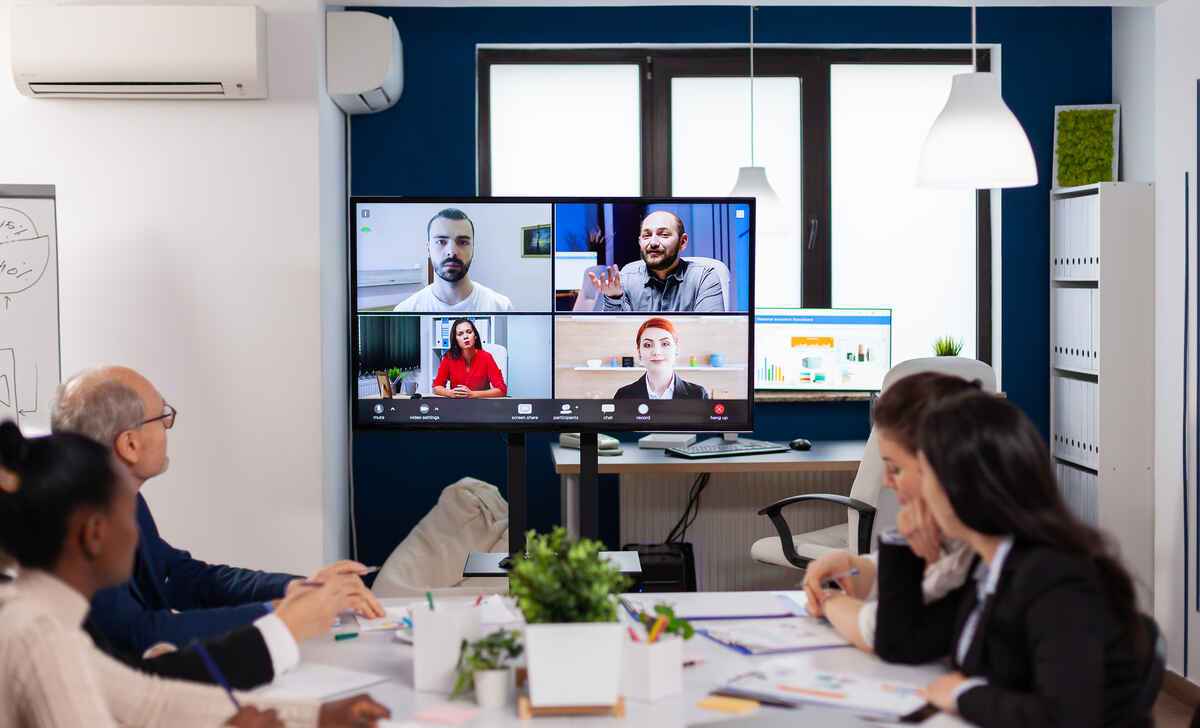
Integrated room systems also make hybrid meetings stronger. Clear audio, properly placed cameras, reliable displays, and intuitive controls allow remote participants to stay engaged. The room stops treating remote attendees as an afterthought and starts supporting everyone in the conversation.
Our room technology is designed around this kind of unified experience, combining AV, lighting, control, and automation into one system for conference rooms, boardrooms, classrooms, hybrid workspaces, and collaboration environments.
The result is not just a better-looking room. It is a room that performs with confidence.

How to Plan a Meeting Room Technology Upgrade
Upgrading meeting room technology should start with the room’s purpose, not the equipment list.
A boardroom, training room, huddle room, and client presentation space all support different kinds of conversations. A boardroom may need executive-level conferencing and presentation quality. A training room may need flexible displays, strong audio coverage, and simple content sharing. A small collaboration room may only need fast startup, reliable video, and intuitive control.
Before choosing cameras, microphones, displays, or control systems, define how the room is used, who uses it, and what currently creates friction.
Start by asking:
Do meetings often include remote participants?
Are audio or video issues common?
Do staff need IT help to start meetings?
Is the room used for client presentations?
Do multiple rooms need the same user experience?
Will the space need to support future growth?
Once those answers are clear, the upgrade becomes easier to plan. The right system should make meetings faster to start, easier to manage, and more consistent across rooms.
Modern meeting room technology should also support hybrid collaboration. That means clear audio, reliable video, simple content sharing, intuitive controls, strong network performance, and lighting that helps people look professional on camera.
A successful upgrade is not measured by how much equipment is installed. It is measured by how little people have to think about the technology once the meeting begins.
Better Rooms Create Better Business Conversations
Outdated meeting room technology does not always fail loudly. Sometimes it drains time, weakens confidence, and makes a polished business feel less prepared than it really is.
A modern meeting room should do the opposite. It should make every meeting feel clear, controlled, and effortless. The audio should support the conversation. The video should include every participant. The controls should feel intuitive. The room should reflect the quality of the business using it.
For commercial spaces, that experience matters. Clients notice it. Staff relies on it. Leadership benefits from it.
The right meeting room technology is more than an AV upgrade. It is an investment in productivity, brand perception, and smoother collaboration.
If your meeting rooms are creating friction,we can help design an integrated system built around your space, your team, and your business goals. Contact Sphere Audio Video at (205) 777-5626 to start planning a better meeting room experience.