
When Your Home Feels Like It Knows You: The Blueprint for Smart Home Automation
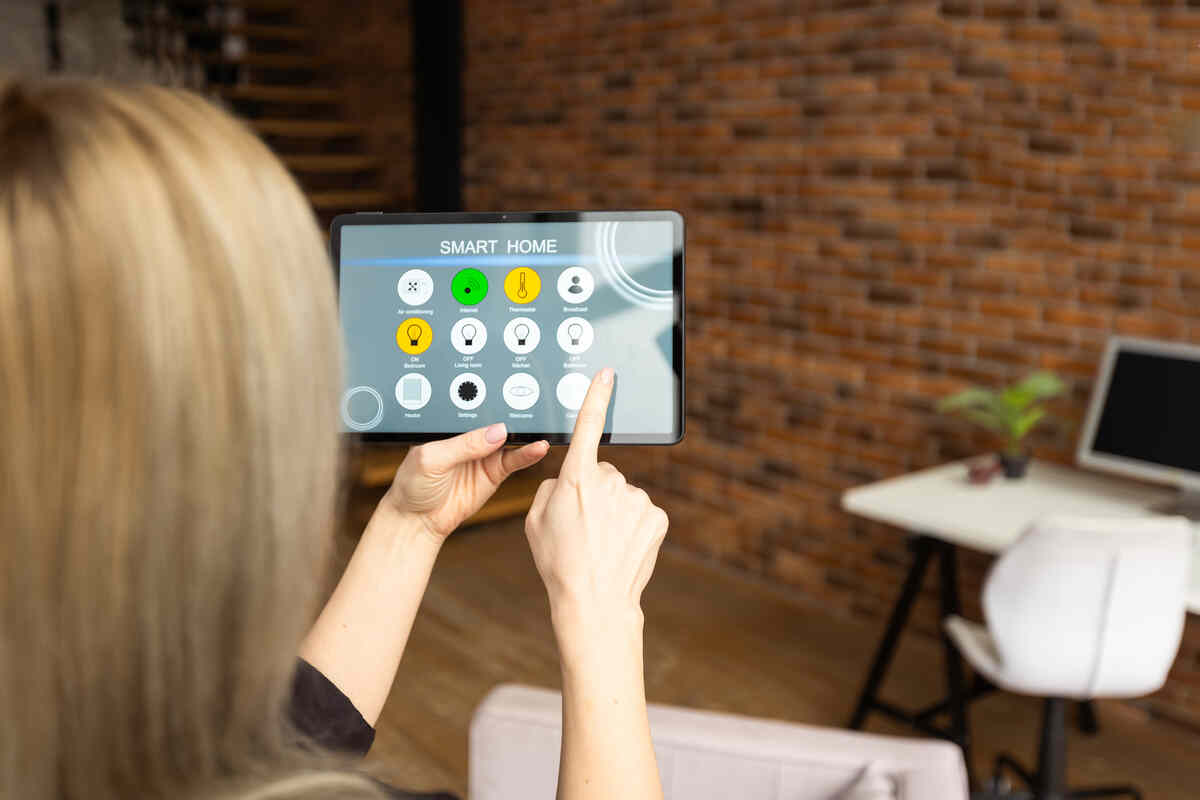
When you return to a residence, your home should immediately adjust to your presence without requiring effort or manual input. True automation creates an environment where lighting, climate, privacy, and media align with your daily rhythm, giving you back time and total peace of mind.
Most homeowners who attempt to modernize properties encounter a fragmented landscape of single-device apps, mismatched remotes, and unreliable connections. When systems operate in isolation, technology becomes an ongoing distraction instead of an invisible luxury. Designing an intelligent home requires moving past consumer-grade gadgets and implementing a unified, enterprise-grade architecture that enhances your daily life without cluttering your architectural vision.
What Does It Mean When Your Living Space Intuitively Responds to You?
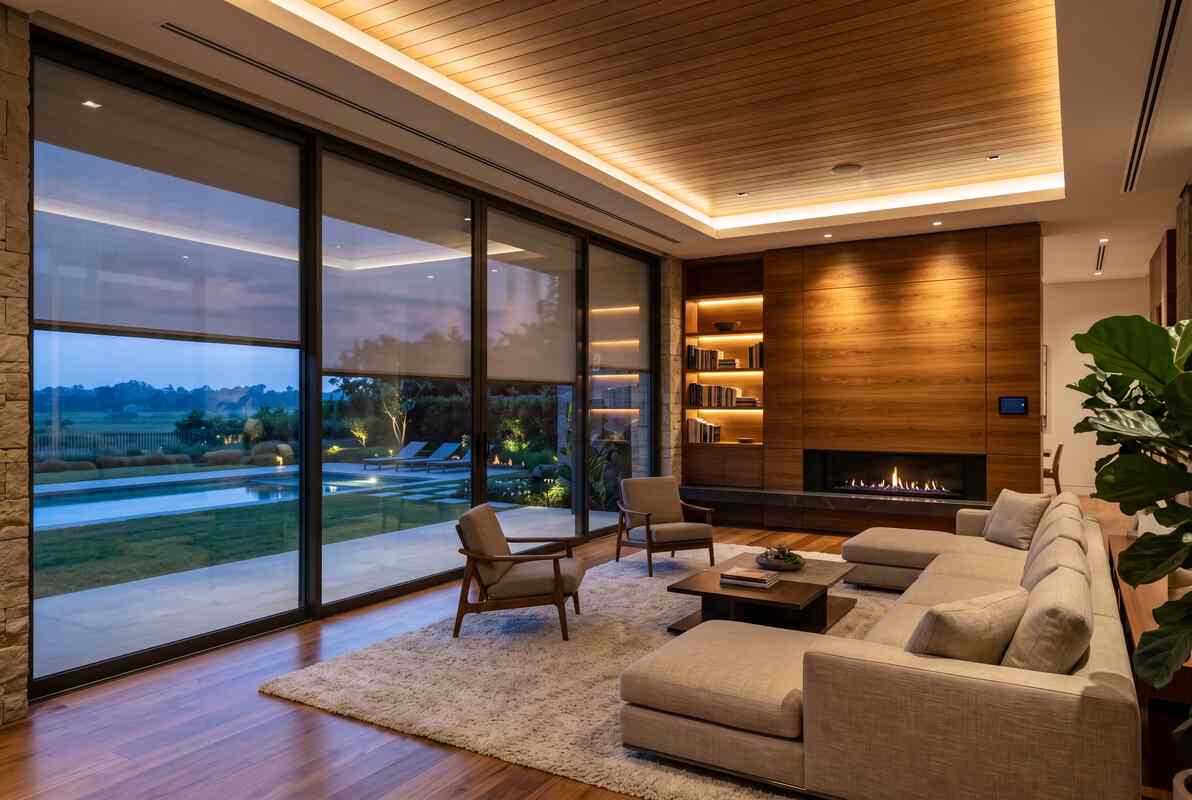
An intuitive home environment anticipates your preferences by orchestrating custom scenes based on the time of day, occupancy, and your personal routine. Instead of walking through rooms adjusting individual dimmers or checking separate climate apps, your living space manages its internal conditions autonomously.
Property owners often find that managing piecemeal technology introduces unnecessary effort into their daily routine. Balancing separate controllers for motorized shades, architectural lighting, security, and multi-zone audio forces you to constantly manage your house instead of enjoying it. True automation replaces this friction with bespoke orchestration, ensuring every room delivers optimal comfort, lighting, and sound the moment you enter.
Transitioning to an integrated home automation control system establishes a single point of intelligence across your entire property. Professional integrators unify hardware onto an enterprise network, allowing complex scenes to run quietly in the background. Your living environment adapts to your schedule, maintaining your preferred ambiance and privacy while freeing you from routine operational tasks.
How Do Custom Smart Systems Preserve Architectural and Interior Design?
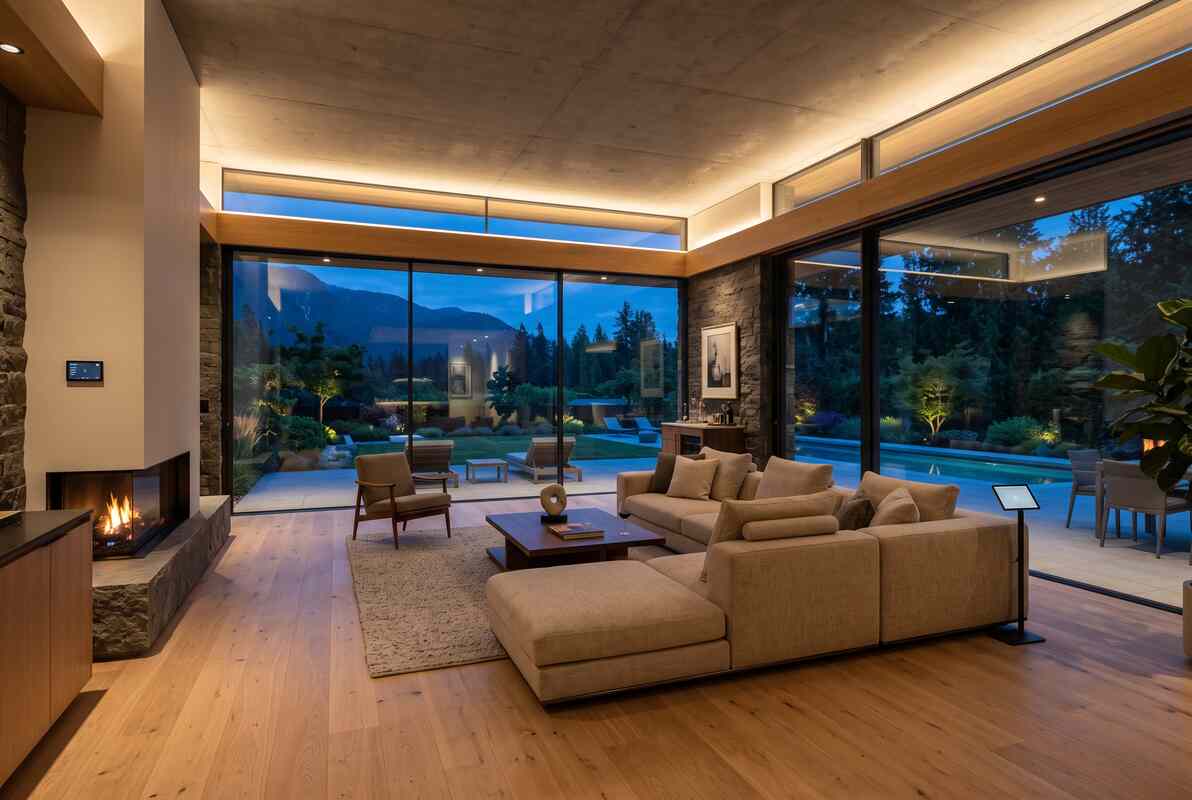
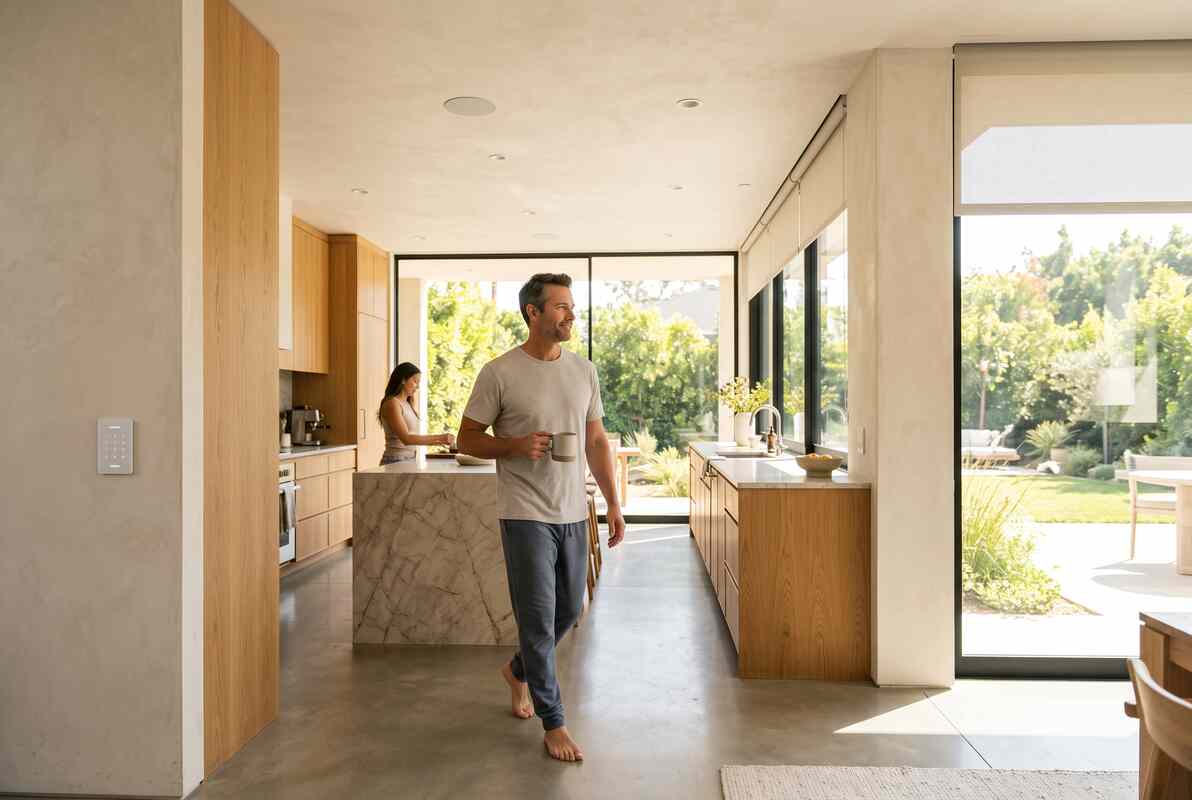
Integrating advanced smart home technology shouldn't force you to compromise the aesthetic integrity of a residence. When designed alongside your architect and interior designer, custom automation hides technical hardware within the home's structure while keeping controls intuitive and accessible.
A major concern for homeowners is wall clutter caused by competing controls, unsightly hardware, and visible wiring. Standard smart device installations often leave walls crowded with separate dimmers, thermostat displays, volume knobs, and security keypads. This visual noise disrupts bespoke millwork, imported stone, and hand-finished plasterwork, pulling focus away from carefully curated interiors.
Traditional installations routinely clutter wall space with separate lighting dimmers, standalone climate controls, volume knobs, and security keypads side-by-side. Design-first smart integration replaces this chaotic arrangement with flush-mounted architecture, consolidating control into a single high-performance integrated keypad or touch interface that matches your surrounding materials.
Interior Challenge | Traditional Point Installation | Design-First Smart Integration |
Wall Clutter | Multiple separate switches, climate controllers, and security pads. | Single bespoke keypad matching surrounding wall materials and finishes. |
Audio Hardware | Bulky tabletop or visible wall-mounted speakers with exposed cords. | Architectural speakers installed flush within walls or recessed ceilings. |
Window Treatments | Manual cords, exposed rods, or noisy retrofit motorized shades. | Motorized architectural shades concealed inside hidden ceiling pockets. |
Concealing window treatments within recessed ceiling pockets allows motorized shades to deploy silently when needed and disappear entirely when open. This approach protects delicate artwork and interior furnishings from harmful UV exposure while preserving unobstructed panoramic views. By treating technology as a subtle extension of your home's architecture, your living space maintains its aesthetic elegance while delivering complete automation.
Why Does Managing Disconnected Smart Devices Create Friction in Home Systems?
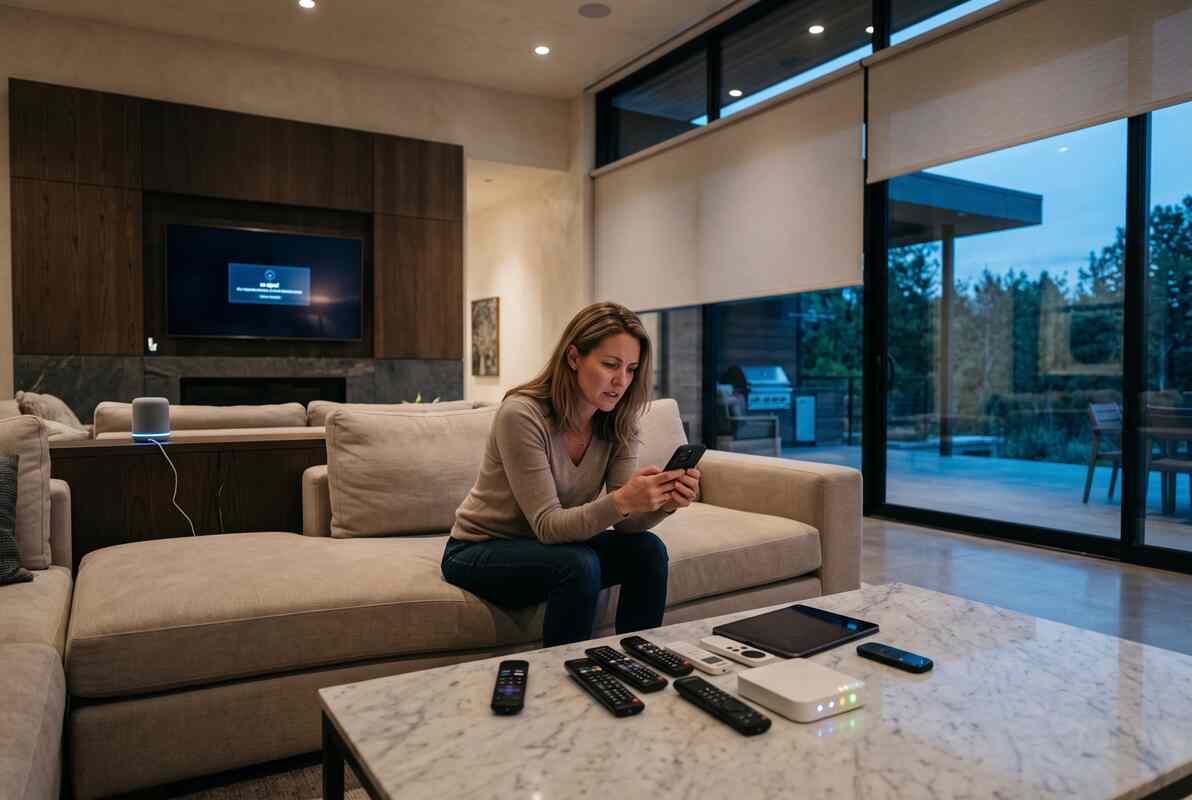
Operating multiple point-solution devices creates constant friction when you expect technology to simplify your home life. When each smart device requires a separate mobile app, distinct login credentials, and isolated control routines, managing your living space turns into an ongoing administrative chore.
It doesn't take long to realize that consumer smart gadgets introduce unnecessary frustration into your daily routine. Managing disparate hardware for lighting, climate, security, and multi-zone audio forces you to constantly bounce between apps and troubleshoot connectivity issues. When point solutions fail to communicate with each other, your entire house feels disjointed rather than unified.
Systems like Control4 or Josh.ai replace fragmented consumer apps with an intuitive interface designed around your daily life. Systems like Control4 or Josh.ai replace fragmented consumer apps with an intuitive interface designed around your daily life. With one touch on a custom keypad or a natural voice command, your entire property executes complex, multi-system routines effortlessly.
Unified System Architecture: Connects lighting, climate, security, and audio onto a robust, centralized processor.
Streamlined Control: Replaces dozens of disconnected mobile apps with a single, bespoke user interface.
Instant Scene Execution: Adjusts whole-home environments simultaneously rather than forcing you to modify devices individually.
Consolidating your controls onto an enterprise platform ensures that your technology works together seamlessly behind the scenes. Eliminating app clutter restores convenience to your daily routine, allowing you to enjoy your home without managing technical details.
How Do Integrated Lighting, Sound, and Climate Systems Elevate Daily Living?
Intelligent automation unifies your home’s environmental controls into responsive, scene-based settings tailored to your daily schedule. Rather than managing lighting fixtures, audio channels, and thermostats as separate systems, whole-home integration allows these elements to work together effortlessly across every space.
Without centralized control, adjusting your living space for different activities becomes repetitive and time-consuming. Setting the proper mood for dinner, relaxing after work, or securing the property at night requires walking room to room to adjust individual switches and controllers. Multi-room automation eliminates this manual effort by orchestrating every environmental system into coordinated scenes activated with a single touch or voice prompt.
Morning Scene: Motorized shades gradually raise to introduce natural light, climate controls adjust to your morning preference, and soft background audio plays through architectural speakers.
Evening Scene: Architectural lighting dims to a warm temperature, exterior privacy shades lower, and multi-zone audio routes chosen music into primary living spaces.
Nighttime Scene: Whole-home lighting shuts off, entryway access points lock, security sensors arm, and climate settings shift to optimal overnight temperatures.
Dynamic lighting integration also incorporates circadian lighting design, automatically adjusting color temperature and intensity throughout the day to mirror natural sunlight patterns. By aligning environmental controls with your daily rhythm, integrated automation enhances daily comfort, supports personal well-being, and elevates the functional beauty of your residence.
What Infrastructure Is Required to Protect Security, Privacy, and System Longevity?
Delivering a dependable smart home experience relies on a high-performance network foundation built for stability, data security, and long-term expandability. Without enterprise-grade networking, connected devices struggle with latency, connectivity drops, and bandwidth congestion as you add more automation hardware.
A significant concern for property owners is system vulnerability and premature technology obsolescence. Consumer-grade Wi-Fi routers and unencrypted point devices can expose your home network to unauthorized access or privacy risks. Additionally, investing in proprietary or standalone devices leaves your home vulnerable when software updates fail or manufacturers discontinue cloud support.
Traditional consumer hardware relies on public cloud routing, consumer Wi-Fi routers, and fragmented mobile applications, creating security risks and performance bottlenecks. Enterprise automation infrastructure replaces these vulnerable components with local processing, secure enterprise networking, and continuous support to keep your living space private and functional.
Network Architecture Component | Consumer Point Solutions | Enterprise Integrated Systems |
Data Processing Location | External third-party cloud servers with variable latency. | Secure local processors executing routines directly inside the home. |
Network Traffic Isolation | All smart hardware, personal laptops, and guest devices on one network. | Dedicated Virtual LANs (VLANs) that isolate automation systems from guests. |
System Reliability | Prone to failure or loss of control during internet service outages. | Retains complete local control of lighting, climate, and access during outages. |
Enterprise Network Foundations for Large Residences
Standard residential Wi-Fi equipment cannot handle the data throughput required by modern automated estates. When dozens of connected keypads, IP surveillance cameras, audio streamers, and smart thermostats attempt to communicate across a basic home router, the network quickly becomes congested.
Enterprise-grade networks solve these bandwidth bottlenecks by deploying commercial-grade hardware tailored to your floor plan. Hardwired access points positioned strategically throughout the residence deliver complete wireless coverage without dead zones. Managed network switches prioritize real-time automation traffic over general internet browsing, ensuring your smart keypads and touchscreens respond instantly.
Segmenting your property's network through Virtual Local Area Networks (VLANs) provides an additional layer of digital defense. By isolating smart home hardware, surveillance feeds, and internal storage onto dedicated virtual subnets, you prevent guests or compromised devices from accessing sensitive personal data across your primary network.
Local Processing and Digital Privacy Protection
Relying on public cloud servers to process daily home routines creates latency and exposes your personal data to external security threats. Every time a cloud-dependent system turns on a light or adjusts a shade, your usage habits travel across external servers before executing the command.
Bespoke automation platforms execute system commands locally on dedicated, on-site processors located within your residence. Local processing ensures that your personal habits, security camera feeds, and daily schedules remain entirely within your property's physical boundaries. This architecture prevents external cloud outages from disrupting your home's functionality.
In addition to safeguarding your privacy, local execution drastically reduces system response times. Commands execute instantly when you press a custom keypad or initiate a voice request, delivering the smooth performance expected in a professionally designed environment.
Future-Proofing Systems Through Proactive Support
Technology evolves rapidly, but the underlying infrastructure of your home should remain stable and functional for years to come. Investing in modular, enterprise-grade architecture prevents your home automation system from becoming obsolete when individual hardware components update.
Professional integrators design systems using open, expandable protocols that integrate seamlessly with future technology upgrades. Regular firmware updates, system health checks, and scheduled hardware maintenance keep your control processors running at peak performance. This structured approach protects your financial investment while allowing you to add new features as your lifestyle changes.
Remote diagnostic tools allow technical teams to monitor system health and resolve potential network anomalies before they impact your daily routine. Combining enterprise hardware with ongoing service protocols ensures your property operates with total reliability, privacy, and peace of mind.
Frequently Asked Questions (FAQ)
What is the difference between custom smart home automation and consumer smart devices?
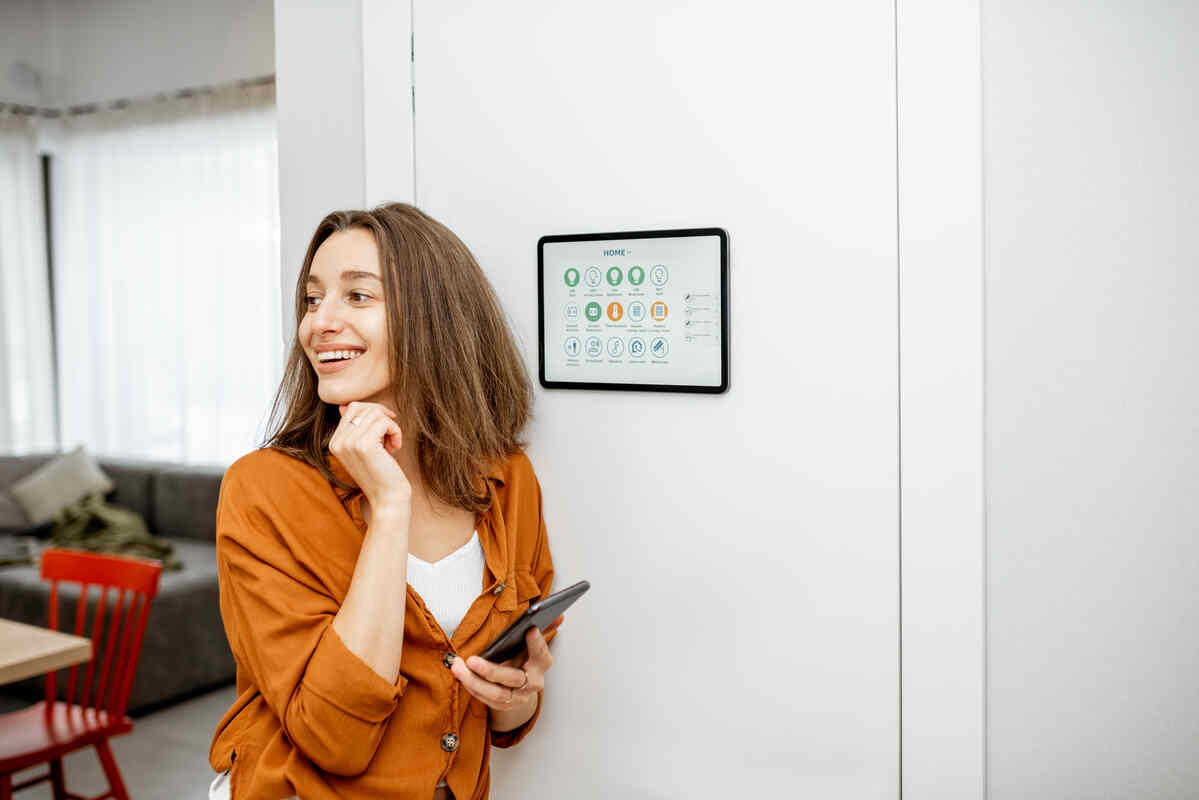
Consumer smart devices operate as standalone point solutions that require individual mobile apps, manual setup, and separate logins. Custom smart home automation integrates lighting, climate, security, and audio onto a single enterprise-grade processor. This unified infrastructure allows every system across your property to communicate seamlessly through intuitive keypads or touchscreens rather than isolated consumer software.
How does smart home technology integrate without ruining interior design?
Design-first smart home integration hides hardware within the architectural structure of your residence. Centralized equipment racks store bulky receivers and processors in climate-controlled utility rooms away from main living spaces. Flush-mounted keypads replace multiple wall switches, architectural speakers mount flush behind drywall, and motorized shades conceal within ceiling pockets to preserve your home's aesthetic elegance.
Can custom home automation systems operate without a constant internet connection?
Enterprise automation platforms process daily system routines on local, on-site control processors installed within your property. This local processing architecture ensures that your lighting scenes, automated climate schedules, and access controls continue functioning instantly even during external internet service outages. Local processing also keeps your personal habits, security feeds, and usage schedules private and secure within your home.
Why is an enterprise network necessary for whole-home automation?
High-performance automation requires dedicated network bandwidth to handle real-time communication across keypads, touchscreens, IP cameras, and audio zones. Consumer Wi-Fi routers quickly become congested, resulting in dropped connections and control delays. Enterprise networks deploy commercial switches and segmented Virtual LANs to prioritize system traffic, eliminate dead zones, and deliver long-term reliability across your estate.

How to Partner with an Integrator to Plan Your Property's Technology
Designing a custom smart home architecture requires moving beyond off-the-shelf consumer gadgets and partnering with a design-first systems integrator. By focusing on invisible integration, enterprise-grade networking, and unified control, you turn complex technology into a subtle, intuitive extension of your residence.
Attempting to piece together smart devices independently often leads to fragmented controls, wall clutter, and persistent network unreliability. Working with experienced integrators during the planning or architectural design phase ensures that wiring infrastructure, equipment cooling, motorized shading pockets, and lighting zones are seamlessly built into the fabric of your home.
Partnering with architects and interior designers early in the design process ensures technology complements your home's aesthetics without forcing last-minute compromises. Testing integrated control interfaces in a certified environment allows you to evaluate touchscreens, custom keypads, and scene automation before installation. Professional engineering, precision installation, and long-term service support protect your investment and guarantee system performance for years to come. To experience how intelligent automation can elevate your property's daily lifestyle, contact Sphere Audio Video today to schedule a consultation.